

Flip on the garage light at night and see something skitter under the workbench, and you know exactly what kind of article you clicked on. Cockroaches in the garage are incredibly common, and unlike the ones you might picture in a dirty kitchen, garage roaches usually have nothing to do with how clean your house is. They’re opportunists, and your garage often gives them everything they need: shelter, moisture, food scraps, and a dozen tiny cracks to slip through.
The good part is that garage cockroach problems are usually solvable without a full-blown infestation taking over your house, as long as you catch it early and address the actual causes instead of just spraying and hoping. This guide walks through where they’re coming from, what’s attracting them, and a practical plan to get rid of them and keep them out.
Why Cockroaches Love Garages
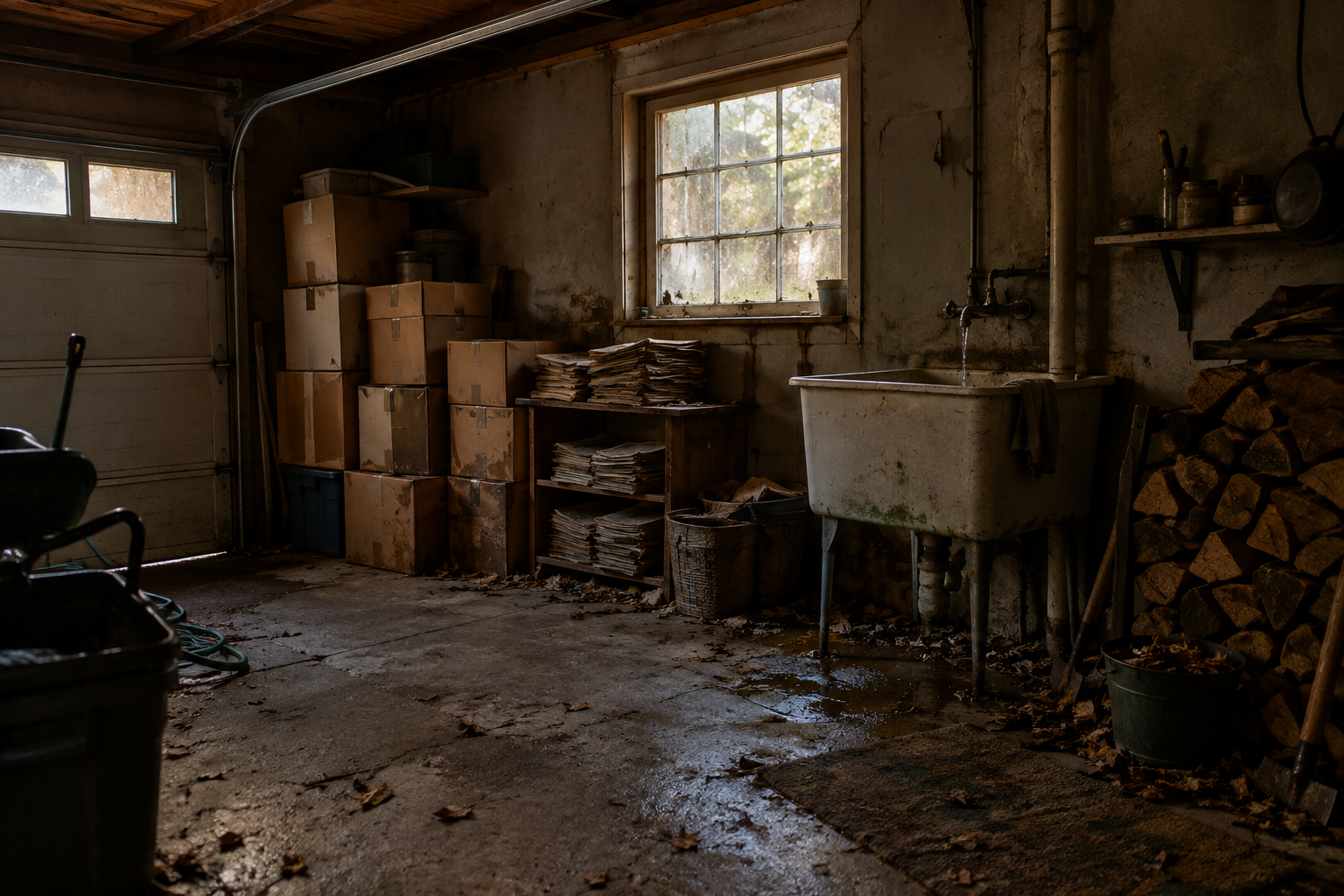
Garages check almost every box on a cockroach’s wish list. They’re darker and less disturbed than living spaces, they often have some level of moisture, and they’re full of clutter that provides hiding spots. A few specific attractants show up again and again in garage infestations.
- Moisture: Leaky spigots, condensation, damp cardboard, or a garage floor that never fully dries out after rain gives roaches the water source they need to survive.
- Cardboard boxes: Roaches eat the glue and cellulose in cardboard, and stacked boxes create perfect hiding spots that rarely get disturbed.
- Pet food: Open bags of dog or cat food, or bowls left out overnight, are basically an all-you-can-eat buffet.
- Floor drains: If your garage has a floor drain, it’s a direct pipeline to sewer lines where roaches travel freely.
- Trash and recycling: Garages that double as the holding area for trash cans or recycling bins attract roaches looking for food residue.
If you’ve already dealt with a musty smell or standing water after a storm, it’s worth reading through how to fix a musty garage after rain, since the same moisture issues that cause odor problems are what’s inviting roaches in.
Common Entry Points Into the Garage
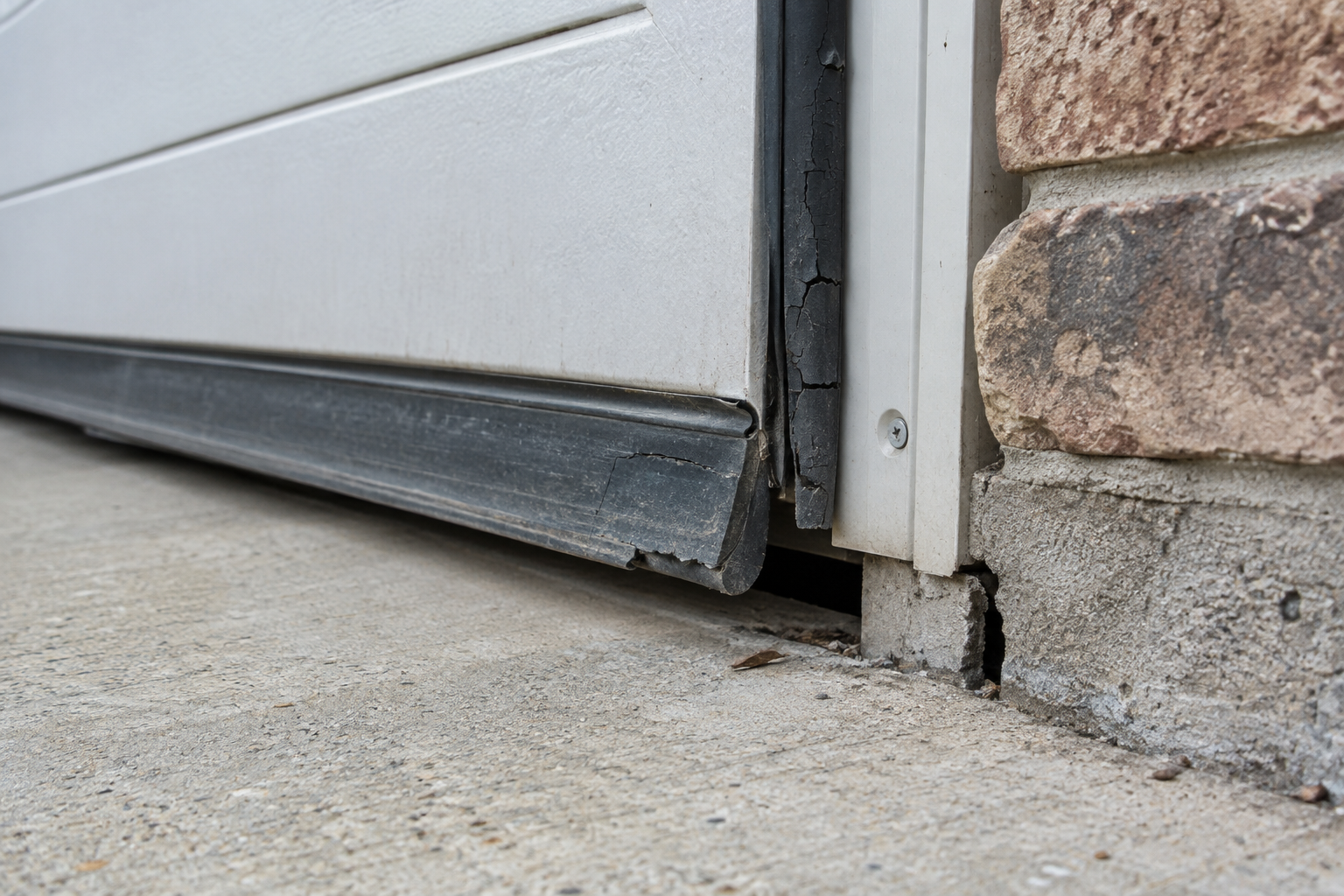
Cockroaches can flatten their bodies and squeeze through gaps as thin as a nickel’s edge, so it doesn’t take much of an opening for them to get in. Walk your garage’s perimeter and check these spots first.
- The gap under the garage door: Worn or missing weatherstripping along the bottom seal is one of the most common entry points for roaches, mice, and other pests.
- Gaps around pipes and utility lines: Anywhere a pipe, cable, or vent passes through the wall is a potential gap that was never sealed properly.
- Vents and weep holes: Dryer vents, foundation vents, and weep holes in brick veneer often lack screening.
- Cracks in the foundation or slab: Even hairline cracks can be an entry route, especially near the base of the walls.
- Door thresholds: The man door between the garage and house, or the door to the backyard, is a common gap if the sweep is worn down.
These are the same weak points that let mice into a garage, so if you’re sealing up for roaches it makes sense to handle rodents at the same time. Our guide on how to mouse-proof your garage covers sealing techniques that work for both pests.
An Inspection-First Prevention Plan
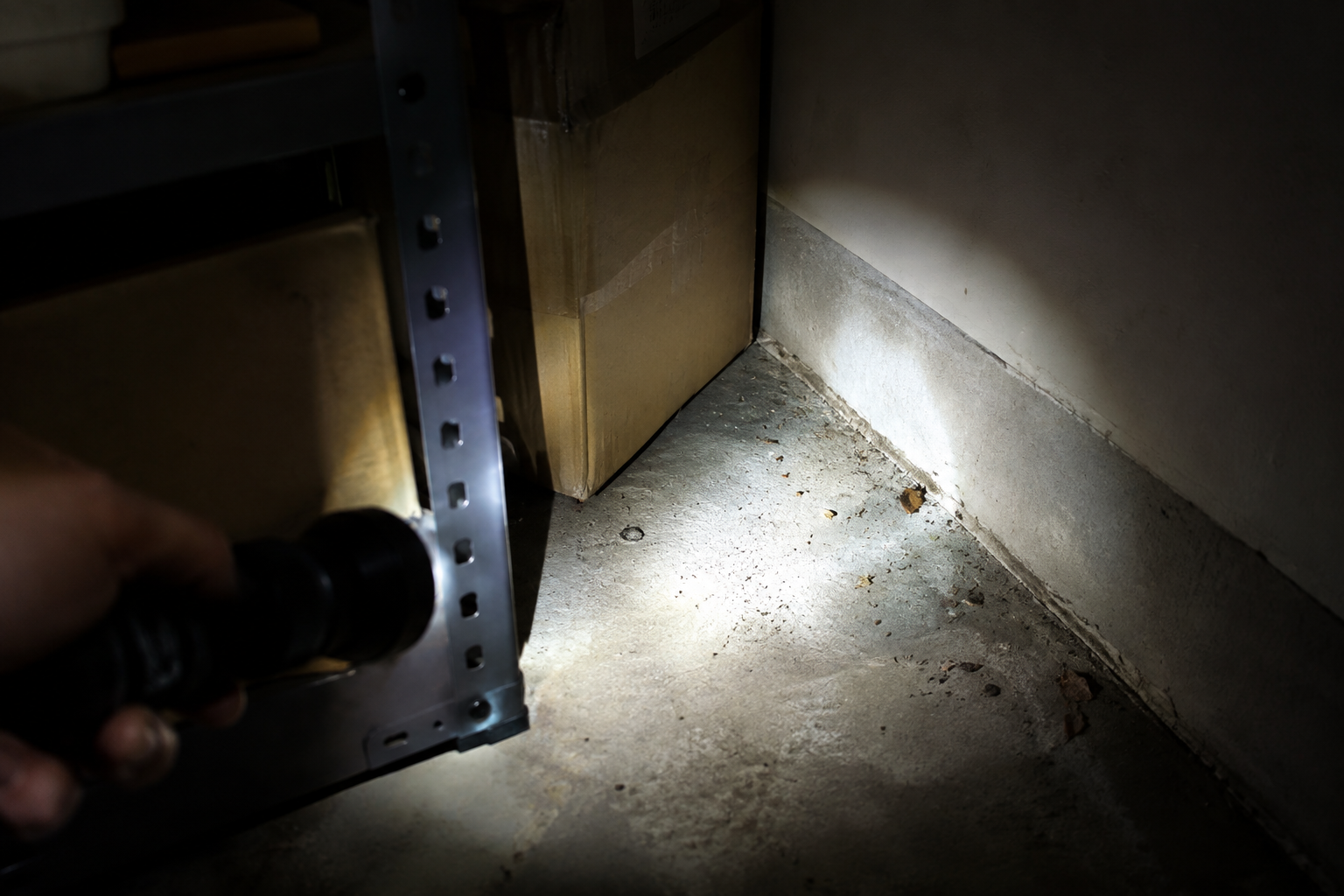
Before you buy a single trap or bait station, spend fifteen minutes actually inspecting the garage. Look behind stored boxes, under shelving, near the water heater if it’s in there, and around the floor drain. Roaches leave behind small dark droppings that look like pepper flakes or coffee grounds, and you may also notice a musty, oily odor in heavier infestations. Knowing where the activity is concentrated tells you where to focus your efforts instead of treating the whole garage blindly.
1. Clean Up the Attractants First
Get pet food into sealed containers instead of open bags, and don’t leave bowls out overnight. Break down cardboard boxes and switch to plastic storage bins where you can, especially for anything stored directly on the floor. If your garage storage is mostly cardboard boxes stacked in corners, it’s a good time to look at garage cabinet ideas or garage shelving ideas that get everything off the slab and into sealed, elevated storage.
2. Control Moisture
Fix any dripping spigots or hose bibs, and check that your garage floor drain (if you have one) has a functioning trap that isn’t dried out. Chronic dampness is one of the biggest drivers of garage humidity problems generally, and dealing with it solves multiple issues at once. Take a look at how to fix high garage humidity and garage floor moisture problems if you suspect your slab is holding moisture even when it hasn’t rained recently.
3. Seal Entry Points
Replace worn door bottom seals, caulk gaps around pipes and conduit, and add mesh screening over vents. Weatherstripping and door sweeps are inexpensive and take less than an hour to install on most garage doors.
4. Use Traps and Baits According to Label Directions
Once sanitation and sealing are handled, traps and bait stations do the rest of the work. Gel baits and bait stations are generally more effective than sprays for an ongoing garage problem, because roaches carry the bait back to others in the colony. Always follow the label directions exactly, both for placement and reapplication timing, since using more than directed doesn’t make it work faster and can actually make roaches avoid it.
Cockroach Bait Stations
A simple, low-mess way to target roach activity along walls, behind boxes, and near drains.
Place bait stations along walls, in corners, and near any drains or plumbing penetrations rather than out in the open floor space, since roaches travel along edges rather than crossing open areas. Gel bait applied in small dots inside cracks and crevices reaches the spots that stations can’t.
Roach Gel Bait
Good for treating cracks, gaps, and hard-to-reach spots that bait stations can’t cover.
Sticky monitor traps are worth adding even if you’re already using bait, since they tell you where activity is heaviest and whether your treatment is actually working. Check them every week or two and reposition based on what you’re catching.
Sticky Monitor Traps
Useful for tracking activity levels and confirming that your baiting plan is working.
When to Call a Professional
If you’re still seeing roaches after a few weeks of consistent sanitation, sealing, and baiting, or if you’re finding them in large numbers rather than the occasional straggler, it’s time to bring in a licensed pest control company. Professionals have access to insect growth regulators and treatments that go beyond what’s available over the counter, and they can identify entry points you might have missed. A heavy garage infestation that’s spreading toward the house is not something to keep trying to DIY for months on end.
Frequently Asked Questions
Why do I only see cockroaches in my garage at night?
Cockroaches are nocturnal and photophobic, meaning they actively avoid light. They’re not necessarily more active at night, you’re just more likely to spot them when they’re out foraging while the rest of the house is dark and quiet.
Are garage cockroaches a sign my house is infested too?
Not necessarily. Garages often have their own moisture and entry point issues separate from the living space, which is why you can have roaches in the garage without any activity indoors. That said, an unsealed man door between the garage and house gives them a direct route inside, so sealing that gap matters even if you haven’t seen roaches in the house yet.
Do cockroaches in the garage mean I have a dirty garage?
Not necessarily, though clutter and cardboard definitely make it worse. Plenty of clean, well-organized garages get roaches simply because of a nearby moisture source, a floor drain, or gaps around the garage door. Sanitation helps a lot, but sealing and moisture control usually matter more.
This article contains affiliate links. We may earn a small commission at no extra cost to you.
