

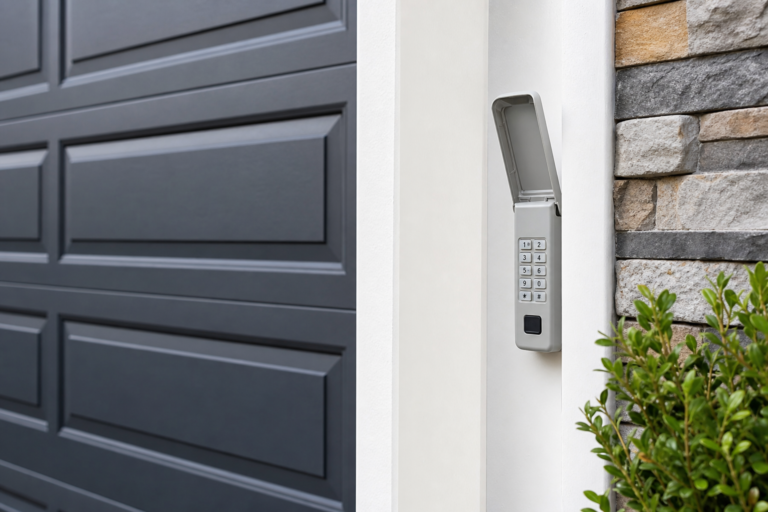
Let’s be honest, finding the best paint for garage doors and figuring out how to apply it isn’t easy. There are so many paints to choose from, and you’ve got to consider things like whether to use a primer, how many coats to apply, and how to get the door ready for painting. It can feel a bit like trying to solve a puzzle.
But don’t worry, we’ve got your back!
This guide is here to clear up all your garage door painting questions.
First up, we’ve got our ‘quick-fire Q&A’ section to answer the most common questions. Then, we’ll take you step by step through our buyer’s guide to choosing the perfect paint for your garage door.
We’ve also put together a handy chart of the very best paints on the market right now.
Finally, to wrap it all up, we’ve got a FAQ section with even more useful info to make your garage door painting project a breeze.
So, are you ready to give your garage door—and your home—a fresh new look?
Let’s dive in!
Quick Answers to Common Questions
Q: How much paint do you need? The quantity of paint required hinges on the dimensions of your garage door. Usually, a gallon of paint should be sufficient for a single coat on a standard double garage door.
Q: Do you need a primer? Absolutely! A primer is highly recommended prior to painting your garage door. It improves paint adhesion, extends the lifespan of the paint job, and provides extra protection for the door’s surface.
Q: How often should you paint your garage door? The need for repainting varies based on local weather conditions and how frequently the door is used. However, as a general rule, repainting every three to five years keeps your garage door looking great and well protected.
Q: How do you prepare your garage door for painting? Preparing your garage door for painting involves several steps. Begin by cleaning it thoroughly, then remove any rust or old, peeling paint. Lastly, lightly sand the surface to improve the adhesion of the new paint.
Q: How many coats of paint do you need for a garage door? Generally, you should apply two coats of paint on a garage door. This helps create uniform coverage and optimal color depth. However, this could vary based on the specific paint color and quality chosen.
Choosing the Best Paint for Garage Doors
Let’s delve into how to select the right paint to ensure your garage door not only looks stunning but also stands up to the elements.
Determine What Material Your Garage Door Is Made From
Before we dive into selecting the right paint for your garage door, it’s crucial to determine the material of your door. This is because different materials have distinct characteristics and require specific types of paint and primer.
In this section, I’ll walk you through the most common materials for garage doors and how to identify them.
Metal Garage Doors
Metal garage doors are predominantly made of steel or aluminum. To identify a metal garage door, pay attention to its weight, texture, and sound.
A metal door will be heavy, smooth, and metallic, producing a clanging noise when you knock on it.
Wood Garage Doors
Wood garage doors are typically made of natural wood or engineered hardboard. Similar to metal doors, identifying a wood garage door involves examining its weight, texture, and sound.
A wood door will be lighter than a metal one, but heavier than a vinyl one. It will have a grainy or rough texture and a natural color, making a thudding noise when you knock on it or open and close it.
Vinyl Garage Doors
Vinyl garage doors are usually made of polyvinyl chloride (PVC) or other plastic materials. They often have a factory finish that does not need painting.
A vinyl garage door will be very light, smooth, and glossy, featuring a synthetic color and possibly a wood-grain pattern. Additionally, it will make a hollow noise when you knock on it or open and close it.
Fiberglass Garage Doors
Fiberglass garage doors are made of fiberglass-reinforced plastic (FRP) or other composite materials. Identifying a fiberglass garage door, like the others, involves examining its weight, texture, and sound.
A fiberglass door will be light, smooth, and matte, showcasing a uniform color and possibly a wood-grain pattern. It will also make a dull noise when you knock on it or open and close it.
How to Test Your Garage Door Construction
To test your garage door material, you can use a magnet and a sharp object.
Keep the following in mind:
- A magnet will stick to a steel garage door, but not to other materials.
- A sharp object will scratch a wood, vinyl, or fiberglass garage door, but not a metal one.
- Fiberglass garage doors are lighter and more flexible than metal or wood doors. Tap on the surface and listen for a hollow sound. You can also check for cracks or chips on the edges or corners of the door.
- Vinyl garage doors are lighter than metal or wood doors, but more rigid and durable than fiberglass doors. Look for a smooth and glossy surface that does not fade or peel. Check for seams or joints on the panels of the door.
Be careful not to damage your garage door or hurt yourself when performing these tests.
If you’re unsure, consult the manufacturer’s label or manual, as it may indicate the material of the garage door.
What Kind of Paint is Already on the Door?
Before you dive into repainting your garage door, it’s important to know what kind of paint is currently on it.
This is crucial because it can affect the compatibility and adhesion of the new paint and primer you choose.
So, how can you determine whether the existing paint on your garage door is latex or oil-based?
Let’s explore a couple of simple methods you can use to find out.
The Rubbing Alcohol Method
For this test, you’ll need a cotton ball or a small piece of cloth and some rubbing alcohol.
Dip the cotton ball or cloth in the rubbing alcohol. Then, gently rub it on a small, inconspicuous area of your garage door. If the paint comes off or becomes soft, it’s latex. If there’s no change in the paint, it’s oil-based.
The Acetone Method
This test is similar to the rubbing alcohol method, but instead of using rubbing alcohol, you’ll need acetone (nail polish remover).
Dip a cotton ball or cloth in acetone and rub it on a small, inconspicuous area of your garage door. If the paint comes off or becomes soft, it’s latex. If the paint doesn’t change, it’s oil-based.
Choosing the Right Paint and Primer Based on the Existing Paint
Now that you’ve determined the type of paint currently on your garage door, you can make an informed decision about the new paint and primer to use.
Here are some general guidelines to follow, based on the material of your garage door:
Metal Garage Door with Latex Paint
If your metal garage door has latex paint, you have the option to use either latex or oil-based paint. However, to ensure proper adhesion and durability, you need to apply an oil-based primer first.
Metal Garage Door with Oil-Based Paint
For a metal garage door with oil-based paint, you can also choose to use either latex or oil-based paint. Just make sure to sand and clean the surface well before applying the new paint to promote proper adhesion.
Wooden Garage Door with Latex Paint
In the case of a wooden garage door with latex paint, both latex and oil-based paint options are available to you. However, to prevent moisture rotting or warping, it’s essential to use a latex primer first.
Wooden Garage Door with Oil-Based Paint
If your wooden garage door has oil-based paint, you can use either latex or oil-based paint for repainting. However, applying an oil-based primer first is crucial to seal the wood and prevent stains or discoloration.
Knowing the type of paint that’s already on your garage door is an essential step in repainting your garage door.
By following the guidelines above, you can ensure compatibility and adhesion between the existing paint and the new paint and primer you choose.
Choosing the Best Paint for Garage Doors [Colors & Finish]
To create a great looking exterior, it’s essential to match your garage door color with your house’s style and color scheme.
One way to find complementary or analogous colors is by using a color wheel. This tool will help you identify colors that work well together and create a cohesive look for your home.
Different architectural styles call for different garage door colors.
For example, a traditional or colonial house may look best with a classic white or neutral garage door, while a contemporary or modern house may look more striking with a bold or contrasting garage door color.
Take the size and shape of your garage door into account, as well.
A large or prominent garage door may look better with a lighter or softer color that blends in with the house.
On the other hand, a small or recessed garage door may look better with a darker or brighter color that stands out and adds interest.
Popular Garage Door Color Choices
- White: The most common and versatile garage door color that works with any house style and color scheme. It creates a clean and crisp look that enhances curb appeal.
- Gray: A neutral and modern garage door color that works well with white, black, blue, green, or red house colors. It creates a sophisticated and elegant look that complements contemporary or industrial house styles.
- Black: A bold and dramatic garage door color that works well with white, gray, or beige house colors. A black garage door creates a strong and sleek look that complements modern or minimalist house styles.
- Blue: A cool and calming garage door color that works well with white, gray, yellow, or brown house colors. It creates a fresh and inviting look that complements coastal or cottage house styles.
- Green: A natural and soothing garage door color that works well with white, gray, beige, or brown house colors. It creates a warm and cozy look that complements rustic or farmhouse house styles.
- Red: A vibrant and energetic garage door color that works well with white, gray, black, or blue house colors. It creates a lively and cheerful look that complements colonial or craftsman house styles.
Picking the Right Garage Door Finish
Once you’ve chosen your garage door color, it’s time to select the right finish. Here are some options to consider:
- Gloss: A shiny and reflective finish that enhances the color and brightness of your garage door. It is durable and easy to clean, but it may show more imperfections or dirt on the surface.
- Semi-gloss: A slightly less shiny finish than gloss that still enhances the color and brightness of your garage door. It is also durable and easy to clean, but it may show fewer imperfections or dirt on the surface.
- Satin: A smooth and soft finish that gives your garage door a subtle sheen. It is less durable and harder to clean than gloss or semi-gloss, but it may hide more imperfections or dirt on the surface.
- Matte: A flat and dull finish that gives your garage door a muted appearance. It is the least durable and hardest to clean of all finishes, but it may hide the most imperfections or dirt on the surface.
Following these tips and you’ll choose the perfect garage door color and finish that enhances your home’s exterior and boosts its curb appeal.
Understanding Exterior and Interior Paints
Exterior and interior paints are formulated differently to withstand varying conditions.
Exterior paints are designed to endure harsh outdoor conditions such as rain, snow, wind,
