

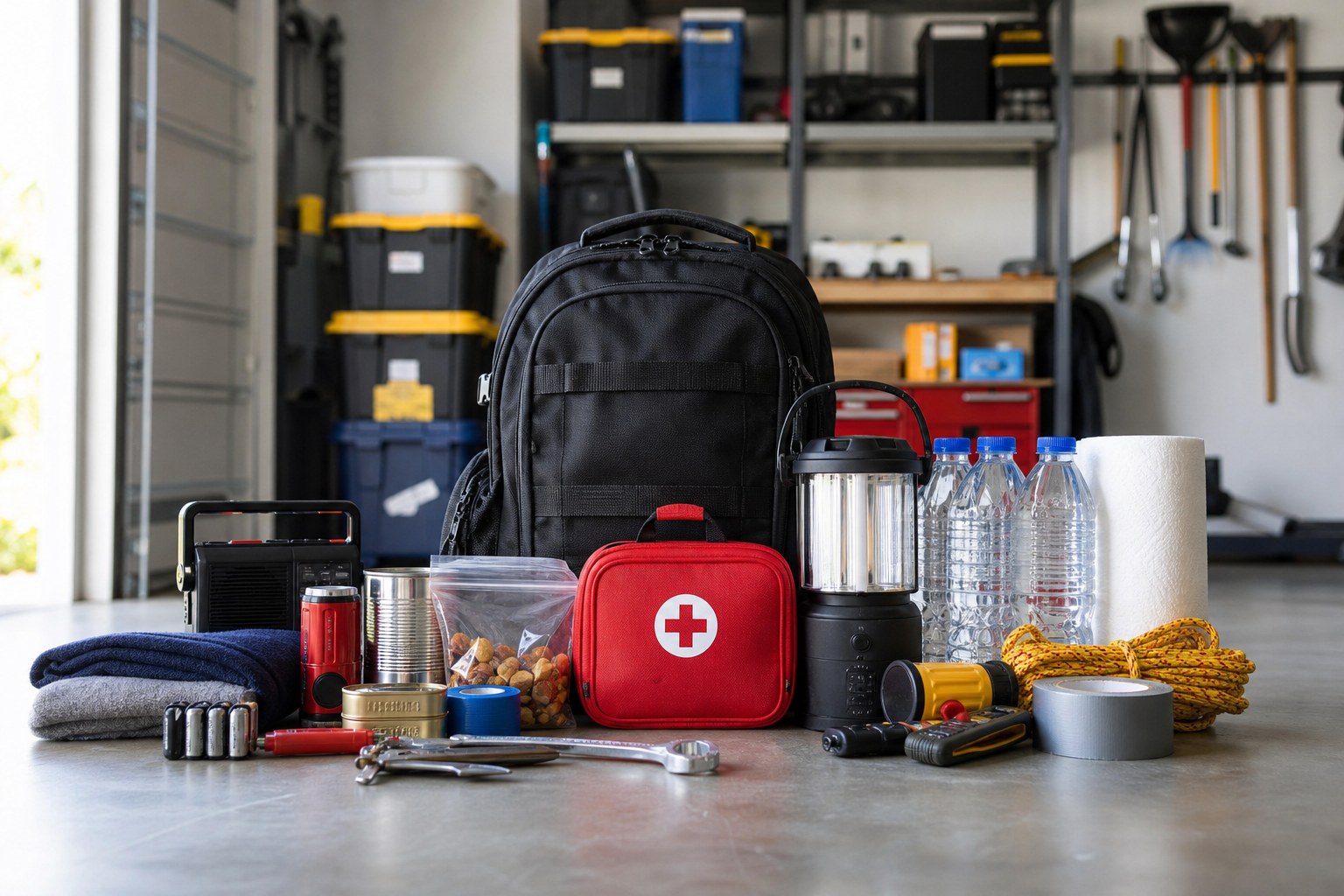
Understanding garage emergency kit and preparedness guide in detail gives you a real advantage, whether you’re planning a project, troubleshooting, or making smarter decisions about your space. The specifics matter more than most people expect.
This guide covers everything you need to know in practical terms, with actionable takeaways you can use right away.
Why Emergency Preparedness Matters in Your Garage
Your garage sits at the intersection of home safety and practical utility. It’s where you store fuel, power tools, chemicals, and often your vehicles. It’s also typically the first point of entry during severe weather or power outages.
A well-prepared garage gives you immediate access to critical supplies without digging through closets or running to a store that’s already sold out. Most homeowners underestimate how much time they actually spend in the garage during emergencies.
Power outages mean you’re out there finding flashlights, checking the generator, or accessing camping gear. Winter storms send you to the garage for shovels, salt, and extra blankets. Having emergency supplies staged and ready cuts response time from 20 minutes of searching to 2 minutes of grabbing what you need.
The garage environment creates unique challenges for emergency storage. Temperature swings degrade batteries and certain supplies faster than indoor storage. Humidity affects paper goods, medications, and some foods. Pests can get into unsealed containers. Your emergency kit needs to account for these conditions, not just replicate an indoor kit in a harsher environment. If you notice persistent moisture issues, you may need to address musty odors and humidity problems before storing emergency supplies.
Core Emergency Kit Components
Water Storage
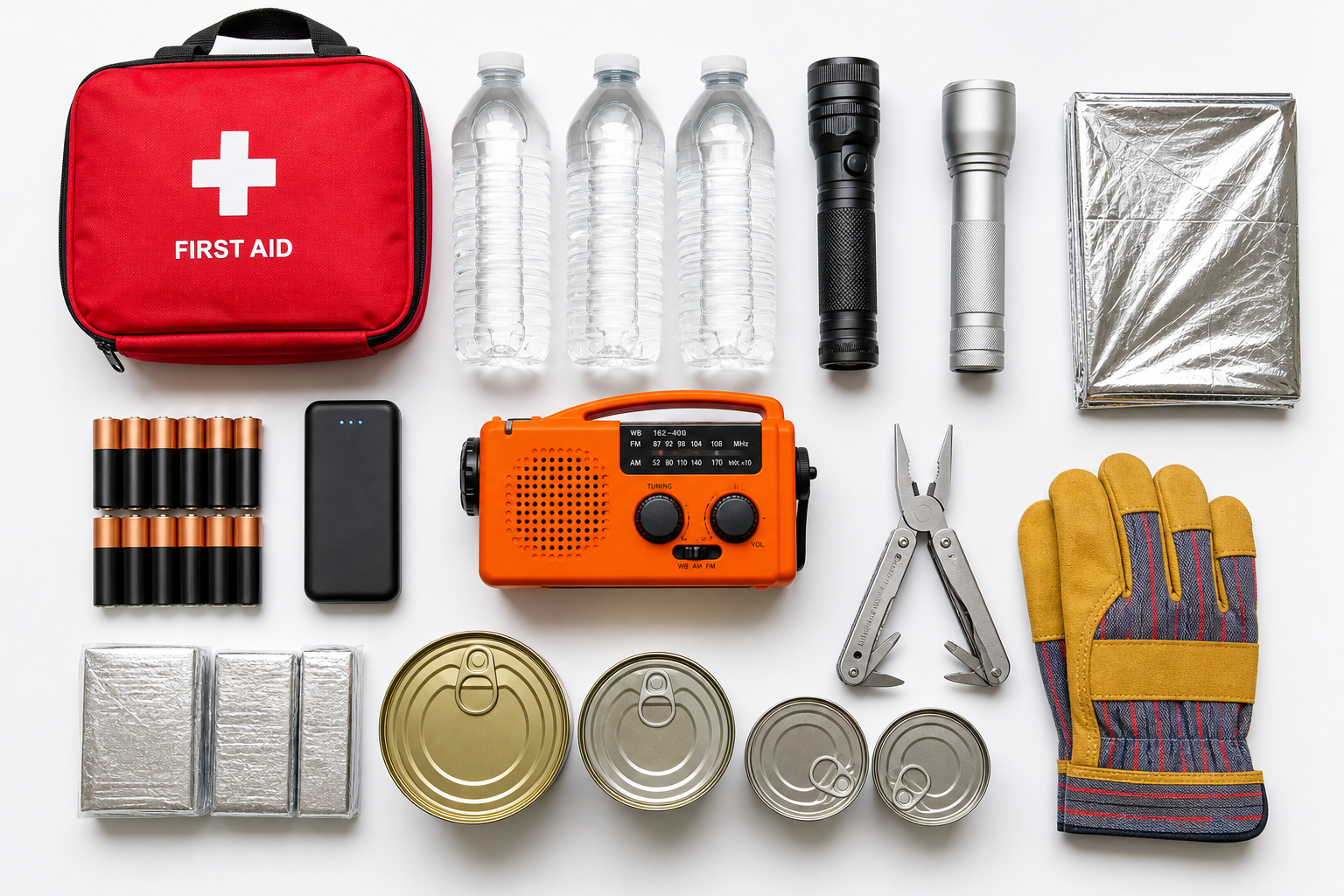
A functional garage emergency kit starts with water. Store one gallon per person per day for three days minimum. That’s 12 gallons for a family of four.
Use food-grade water containers, not repurposed milk jugs that degrade and leak. Rotate the water every six months. Mark containers with a fill date using a permanent marker. Store them on a shelf, not directly on a concrete floor where temperature fluctuations cause condensation and potential contamination.

Water Storage Containers
Durable containers specifically designed for long-term water storage
Non-Perishable Food Supplies
Non-perishable food belongs in sealed, pest-proof containers. Plastic totes with gasket lids work better than cardboard boxes. Stock items that require no cooking: protein bars, nuts, dried fruit, canned goods with pull-tops.
Avoid anything that melts in summer heat (chocolate bars) or freezes solid in winter (canned liquids can burst). Rotate food supplies twice a year and donate approaching-expiration items to food banks.
First Aid and Medical Supplies
First aid supplies need regular inspection. Adhesive bandages lose their stick in extreme temperatures. Ointments separate or dry out. Medications degrade faster in heat.
Keep a basic first aid kit in a climate-controlled toolbox or insulated container. Include bandages, gauze, antiseptic wipes, antibiotic ointment, pain relievers, tweezers, scissors, and any family-specific medications. Check expiration dates every three months.
Tools and Equipment
Tools and equipment form the practical backbone of garage emergency prep. A battery-powered or hand-crank radio provides weather updates and emergency broadcasts when power and cell service are down.
Keep a set of basic tools separate from your everyday collection: adjustable wrench, screwdrivers, pliers, utility knife, duct tape. These stay in the emergency kit so they’re always available. Add a fire extinguisher rated for multiple fire types (ABC rated). Mount it near the door, not buried behind storage where you can’t reach it quickly.
Emergency Lighting
Lighting matters more than most people plan for. Power outages happen at night, and fumbling in a dark garage is dangerous. A Portable LED Work Light provides hands-free illumination and runs for hours on batteries.
Keep spare batteries in a sealed bag inside the kit. LED headlamps let you work with both hands free. Avoid old-style incandescent flashlights that drain batteries quickly and produce weak light.
Practical Planning Tips
Before starting any garage project, take stock of what you have and what you need. Walk the space with a tape measure and a notepad. Record dimensions, note existing electrical outlets and their amperage, check for moisture issues, and photograph anything you want to change. This baseline assessment prevents surprises mid-project and helps you budget materials accurately. If you discover electrical outlets that keep tripping the breaker, address these issues before setting up your emergency station.
Invest in quality tools for tasks you’ll repeat. A reliable stud finder, a good level, a quality tape measure, and proper safety gear (eye protection, hearing protection, respirator) make every project easier and safer. These tools pay for themselves across multiple projects over the years.
Set a realistic timeline and budget before buying anything. Most garage projects take 50% longer and cost 20% more than initial estimates, especially for first-timers. Build that buffer into your plan so unexpected discoveries don’t derail the entire project or blow the budget.
Consider the seasonal timing of your project. Floor coatings apply best in mild weather (50 to 85 degrees). Insulation projects are most motivating (and noticeable) before extreme weather hits. Electrical and plumbing work can happen year-round but should be completed before insulating or finishing walls over the wiring.
If you’re shopping for supplies, a Respirator Mask is a reliable choice that’s well-reviewed by garage owners.
Storage and Organization for Emergency Supplies
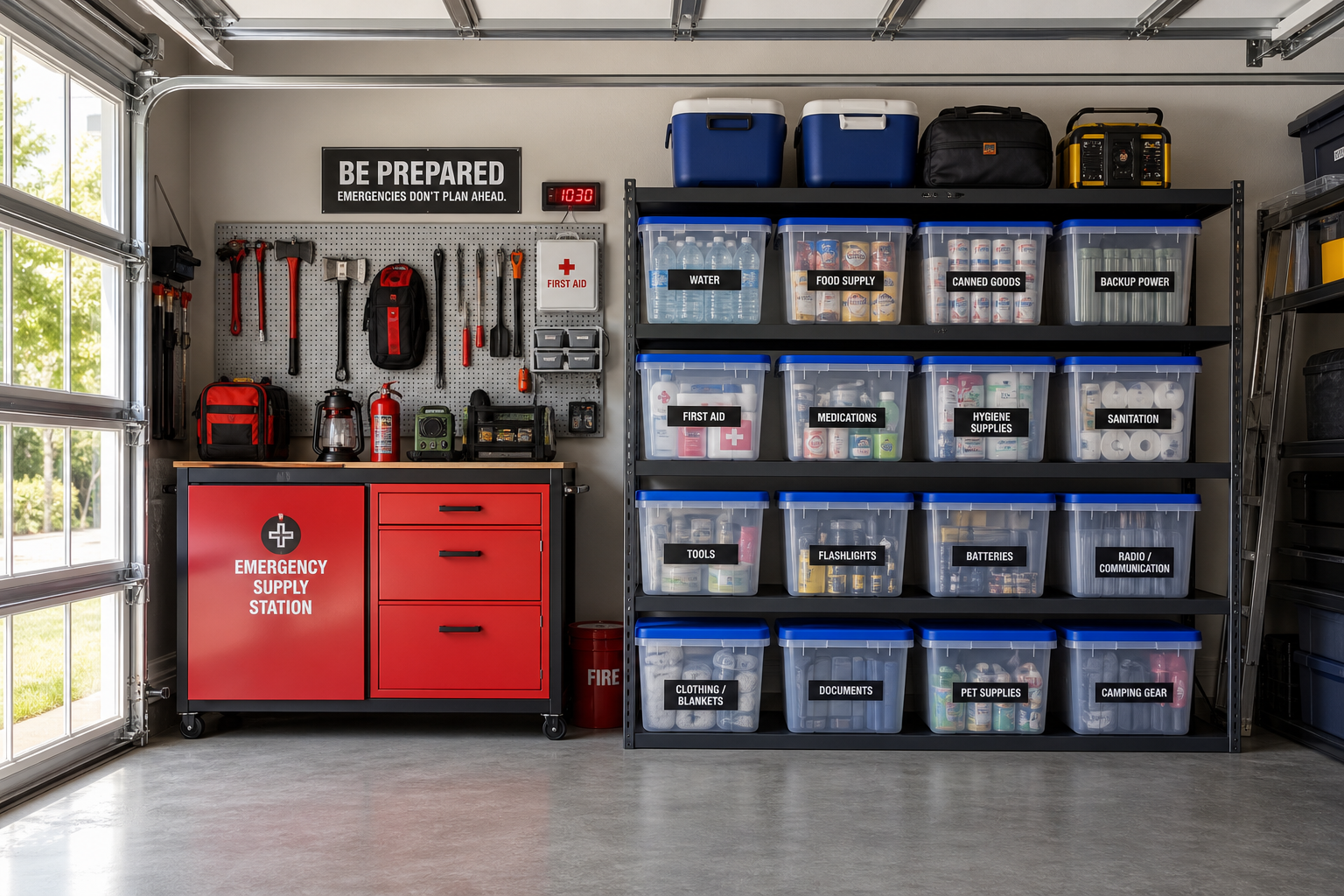
Designate a specific zone in your garage for emergency supplies. This isn’t scattered throughout your existing storage, it’s a dedicated area everyone in the household knows about. A corner near the entry door works well.
Use clearly labeled containers. “Emergency Kit” in bold letters on all sides means anyone can find it, even visiting family or emergency responders.
Vertical Storage Solutions
Vertical storage keeps supplies off the floor and away from potential water damage from foundation leaks or melting snow tracked in on vehicles. Metal shelving units handle temperature swings better than plastic. They don’t warp in heat or crack in cold.
Look for units rated for 200 pounds per shelf minimum. Bolt tall shelving to wall studs to prevent tip-over.
Organization Systems
Group related items together. Water storage in one section, food in another, first aid and medications together, tools and equipment in their own area. This organization speeds up access during an actual emergency when you’re stressed and possibly dealing with darkness or time pressure.
Use clear plastic bins for most supplies so you can see contents without opening every container. Label them anyway. “First Aid,” “Food,” “Tools,” “Lighting,” “Batteries,” “Documents.” Stack bins with the most frequently needed items at eye level. Seasonal items (winter gear, summer cooling supplies) can go higher or lower depending on the current season.

Clear Storage Bins
Transparent containers make it easy to identify contents quickly
Keep a laminated inventory list attached to the main emergency kit bin. List contents with quantities and expiration dates for perishables. Update it whenever you add or remove items. This list helps during annual checks and ensures you know exactly what you have without unpacking everything.
Climate Control Considerations
Temperature extremes challenge emergency supply storage in most garages. Summer heat above 90 degrees degrades batteries, medications, certain foods, and plastic containers. Winter cold below freezing makes water unusable (frozen solid) and causes some materials to become brittle.
If your garage sees temperature swings above 100 degrees in summer or below 20 degrees in winter, consider insulated storage solutions. A small insulated cabinet or cooler (unplugged, used as insulated storage) moderates temperature swings for sensitive items. This extends battery life and medication viability significantly.
For garages that stay somewhat climate-controlled, standard storage works fine. Even an uninsulated garage that stays between 40 and 85 degrees most of the year handles emergency supplies reasonably well with proper container choices and regular rotation. If your garage needs better climate control, check out our guide on installing garage radiant floor heating.
Humidity Control
Humidity control prevents mold and corrosion. Desiccant packets in sealed bins absorb excess moisture. Replace them every few months in humid climates.
If your garage shows signs of persistent condensation or moisture issues, address the root cause (poor ventilation, foundation leaks, missing vapor barriers) before stocking long-term emergency supplies. Wall issues like peeling paint caused by moisture indicate underlying problems that need fixing first.
Power Backup and Generator Considerations
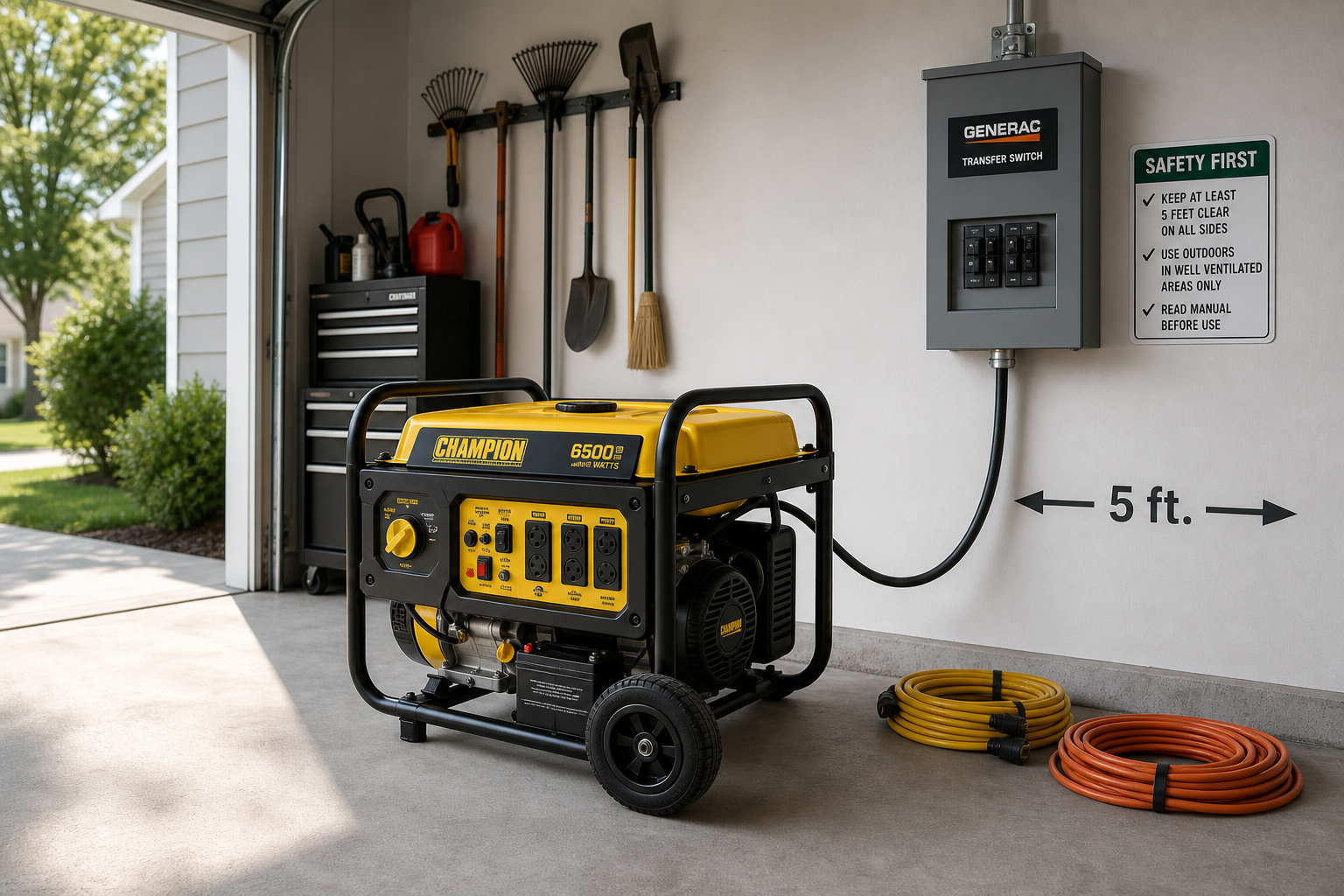
A portable generator extends emergency preparedness beyond basic supplies. It runs refrigerators, freezers, sump pumps, and critical medical equipment during outages. For garage storage, this means a dedicated generator station with proper ventilation planning.
Generator Placement and Safety
Generators must run outside, never in the garage, even with the door open. Carbon monoxide buildup kills. Set up a generator pad or platform outside the garage with a clear path for moving the unit. Store it in the garage when not in use, but have a pre-planned outdoor running location at least 20 feet from any building opening.
Fuel Storage Requirements
Fuel storage requires careful planning and compliance with local codes. Most areas limit gasoline storage to 25 gallons in approved containers. Store fuel containers in a vented cabinet separate from living spaces. Metal containers handle temperature swings better than plastic. Add fuel stabilizer to extend storage life to 12 months instead of 3 to 6 months.
Maintenance Schedule
Generator maintenance determines whether it actually works when you need it. Run the generator for 20 to 30 minutes every month to circulate oil, charge the battery, and verify operation. This monthly test-run catches problems while you have time to fix them, not during an ice storm.
Extension cords for generator use need proper sizing. Undersized cords cause voltage drop and potential equipment damage. Use 10-gauge cords for runs up to 100 feet when powering refrigerators or sump pumps. 12-gauge works for shorter runs or lighter loads. Keep dedicated generator cords with the generator so they’re always available together.
Document Protection and Important Papers
Emergency preparedness includes protecting important documents from fire, water, and theft. Your garage probably isn’t the primary storage location for original birth certificates and property deeds, but it should contain copies of critical documents in a waterproof, fireproof container.
A fireproof document safe rated for at least one hour at 1,
