

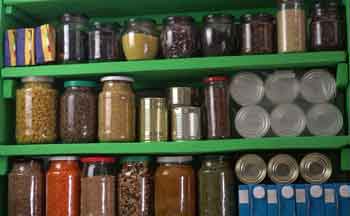
In this article, we’re going to dive into the what, why, and how of garage food storage. From understanding what types of food you can store in the garage to organization hacks, avoiding common pitfalls, and maintaining the perfect temperature and humidity levels – we’ve got you covered.
So, let’s get started.
The Perfect Environment for Storing Food in Garages
Surprisingly, creating the right environment in your garage for food storage isn’t just about clearing space among the tools and old bikes.
Here are some important factors you might not have thought about.
How Do Temperature and Humidity Affect Food Storage in Your Garage?
Understanding temperature and humidity and their effects on food storage can be the difference between a successful, well-stocked garage pantry and a dangerous one.
So, let’s break it down.
Temperature: When it comes to food storage, temperature matters. Most foods prefer cooler temperatures, especially those you’re likely to store in your garage.
In fact, a drop of 10°F can double the shelf life of many products!
That’s why it’s crucial to keep your garage as cool and stable in temperature as possible.
Humidity: The other half of the equation is humidity. Different foods have different moisture requirements.
Too much humidity can lead to mold and mildew, while too little can cause foods to dry out and lose their nutritional value.
So, it’s all about striking that balance.
Here’s a handy table with various foods and their ideal temperature and relative humidity ranges. Remember, the right conditions can make your food last longer and retain its quality.
| Food | Temperature | Humidity |
| Canned goods | 32°F (0°C) to 85°F (29.4°C) | Below 15% |
| Dried beans and lentils | 32°F (0°C) to 70°F (21.1°C) | Below 15% |
| Rice, oats, and other grains | 32°F (0°C) to 70°F (21.1°C) | Below 15% |
| Granola bars, peanut butter, powdered drinks, freeze-dried fruits and veggies, instant potatoes or soup, beef jerky, nuts, dried fruit, applesauce, spices | 32°F (0°C) to 70°F (21.1°C) | Below 15% |
| Canned tuna, chicken, and other meat | 32°F (0°C) to 85°F (29.4°C) | Below 15% |
| Flour and sugar | 32°F (0°C) to 70°F (21.1°C) | Below 15% |
| Bottled water | 32°F (0°C) to 85°F (29.4°C) | N/A |
| Soda | 32°F (0°C) to 85°F (29.4°C) | N/A |
Using this table as a reference, try to group similar foods in your garage based on their temperature and humidity needs.
It may take a bit of trial and error, but the end result will be worth it.
Create the Right Conditions for Garage Food Storage
Now that you’ve got the ‘what’ and the ‘how’ of garage food storage, let’s look at the ‘where.’
Believe it or not, the location of your food storage in your garage can impact its longevity and safety.
Here are a few pointers to find the best spot:
1. Keep Food Out of Direct Sunlight: You want your stored food away from direct sunlight. Sunlight can degrade food packaging and speed up spoilage. Choose an area that doesn’t get much sun, or shield your food with a cover or a curtain.
2. Store Food Off the Floor: Never store your food directly on the garage floor. Always use shelves, pallets, or cabinets that elevate your food off the ground level. This is especially important if you have cold garage floors, which can cause condensation and moisture issues that may damage food containers.
3. Use a Well-Ventilated Area: Proper ventilation can prevent mold and mildew. If your garage has a window, consider placing your food storage nearby, as long as it doesn’t get direct sunlight.
4. Keep Food Away from Hazardous Materials: Remember the cardinal rule: Keep food storage away from anything potentially harmful. So, store your food away from paints, fertilizers, pesticides, or cleaning materials.
5. Store Food in a Temperature-Controlled Area: Garages can get hot in summer and freezing in winter. Find a spot in your garage that remains relatively cool and stable in temperature. Consider areas where proper lighting allows you to monitor your storage conditions without exposing food to excessive heat.
You’ll help ensure your food lasts longer by choosing the right area in your garage.
Signs of Spoilage or Contamination in Food Stored in the Garage
It’s essential to keep an eye out for any signs of spoilage or contamination in your garage-stored food.
Regular checks can keep you safe and prevent unnecessary waste.
Here are some things you should look out for:
Canned Goods:
- Swollen or bulging cans: This is a clear indication that bacteria may be growing inside the can, causing gas production and pressure build-up.
- Dented or damaged cans: Dents or damage can compromise the can’s seal, introducing bacteria.
- Leaking or rusty cans: These are signs that the can’s integrity has been compromised, possibly allowing contaminants inside.
Dry Goods (Rice, Beans, Oats, Pasta, etc.):
- Mold or dampness: If your dry goods appear damp or moldy, they are likely exposed to moisture and are no longer safe to consume.
- Insect activity: Insects like weevils or pantry moths can infest dry goods. Look for tiny holes in the packaging, live or dead insects, or larvae.
Packaged Goods (Granola Bars, Jerky, Crackers, etc.):
- Discoloration or foul odor: These are often indicators of spoilage.
- Change in texture: If a typically crunchy food item has become soft or vice versa, it’s likely spoiled.
Glass Jars (Home-Canned Goods, Spices, etc.):
- Cloudy or frothy liquid: If you notice this in your home-canned goods, it’s a clear sign of spoilage.
- Loose or bulging lids: This indicates that the vacuum seal has been compromised, potentially allowing bacteria in.
Overall, if something seems off – food smells, looks, or feels different than it should – it’s best to err on the side of caution and discard it.
Remember, no amount of saved money is worth risking your health.
Storing Food in Garages: The Right Way
Now that you’ve created the perfect environment for garage foods, let’s look at what foods can (and can’t) be stored in your garage.
What Types of Food Can Be Stored in the Garage?
If you’re running out of space in your kitchen pantry, consider putting extra food in your garage.
That’s a great idea. But before you start moving all your kitchen stuff to the garage, it’s important to know that many foods shouldn’t be kept there.
Certain foods need special conditions or containers to prevent spoiling or getting contaminated.
Let’s start with what foods CAN be safely stored in the garage. Typically this means shelf stable food that can safely be stored in a garage or pantry long-term (at least one year).
This includes:
- Canned Food: Soups, vegetables, fruits, and meats can stay safe in cans for a long time.
- Dried Beans and Lentils: Dry foods are perfect for garage storage.
- Rice, Oats, and Granola Bars: Store them in airtight containers, and they’re good to go.
- Peanut Butter: Unopened jars can be stored for months.
- Powdered Drinks: Tea, coffee, hot cocoa, and powdered fruit drinks are all fine.
- Freeze-dried Fruits and Veggies: These can last for years if kept properly sealed.
- Instant Potatoes or Soup: Perfect for when you want a quick, hassle-free meal.
- Beef Jerky: A great source of protein that’s garage-friendly.
- Nuts and Dried Fruit: Keep them away from moisture, and they’re OK to store in your garage.
- Applesauce: Unopened jars of applesauce can be stored just about anywhere cool and dry.
- Spices: Most spices don’t spoil. They just lose flavor over time.
- Canned Tuna, Chicken, and Other Meat: Canned products are usually safe as long as the can isn’t dented or swollen.
- Other Boxed Food: In general, boxed foods are OK to store in the garage. However, you should store the food inside a plastic containers to keep insects and rodents from getting at them.
Now, let’s talk about the stuff you should NOT store in the garage:
- Fresh Produce: Fruits and veggies need refrigeration to keep the food fresh.
- Dairy Products: These will spoil quickly without refrigeration.
- Eggs: They need to stay refrigerated to avoid bacterial growth.
- Fresh Meat: This should always be refrigerated or frozen.
- Bread and Baked Goods will dry out and spoil without proper humidity control.
- Chocolate: This will melt in the garage – especially here in Florida.
- Soft Drinks: They can explode if they freeze during winter.
- Pet Food: According to Jacksonville Vet clinics, dry cat or dog food should always be stored in a cool, dry environment under 100 degrees. Garages can easily exceed this temperature in hot summers.
Storing extra food in your garage is a great way to create extra space in your kitchen. However, it’s important to remember what works and what doesn’t.
