

When your garage ventilation fan stops working properly, the temptation is to assume the worst. In reality, the cause is usually simpler and cheaper than expected. The key is working through possibilities systematically rather than guessing.
Below, you’ll find each common cause with specific diagnostic steps and fixes. Grab a flashlight and your basic toolkit, then work through these from easiest to most involved.
Understanding the Basics
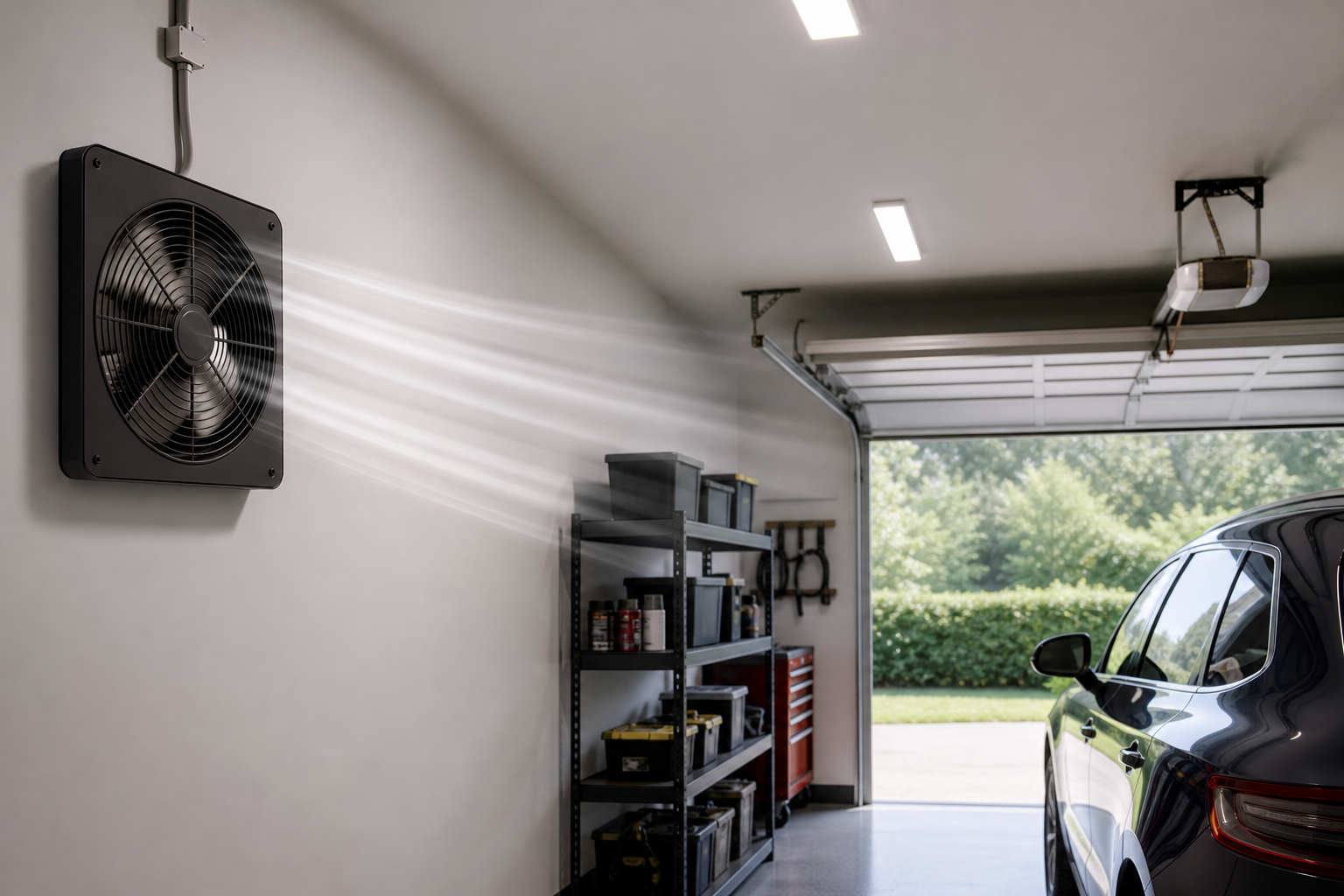
Most garages have only passive ventilation (air leaking around the door), which is inadequate for workspace use. A single wall-mounted exhaust fan creates deliberate airflow that removes heat, moisture, and fumes. The improvement is immediate and dramatic.
Mount an exhaust fan high on the wall opposite the garage door for heat removal. Hot air collects at the ceiling; the fan pulls it out while cooler air enters through the open door or a low intake vent. A 1,400 CFM fan exchanges air in a two-car garage every 3 to 4 minutes.
The garage door bottom seal is the most common pest entry point. A 1/4-inch gap admits mice, insects, and spiders. Inspect the entire seal length for cracks, compressed areas, or hardened rubber that no longer contacts the ground fully.
What Garage Exhaust Fans Can and Cannot Do
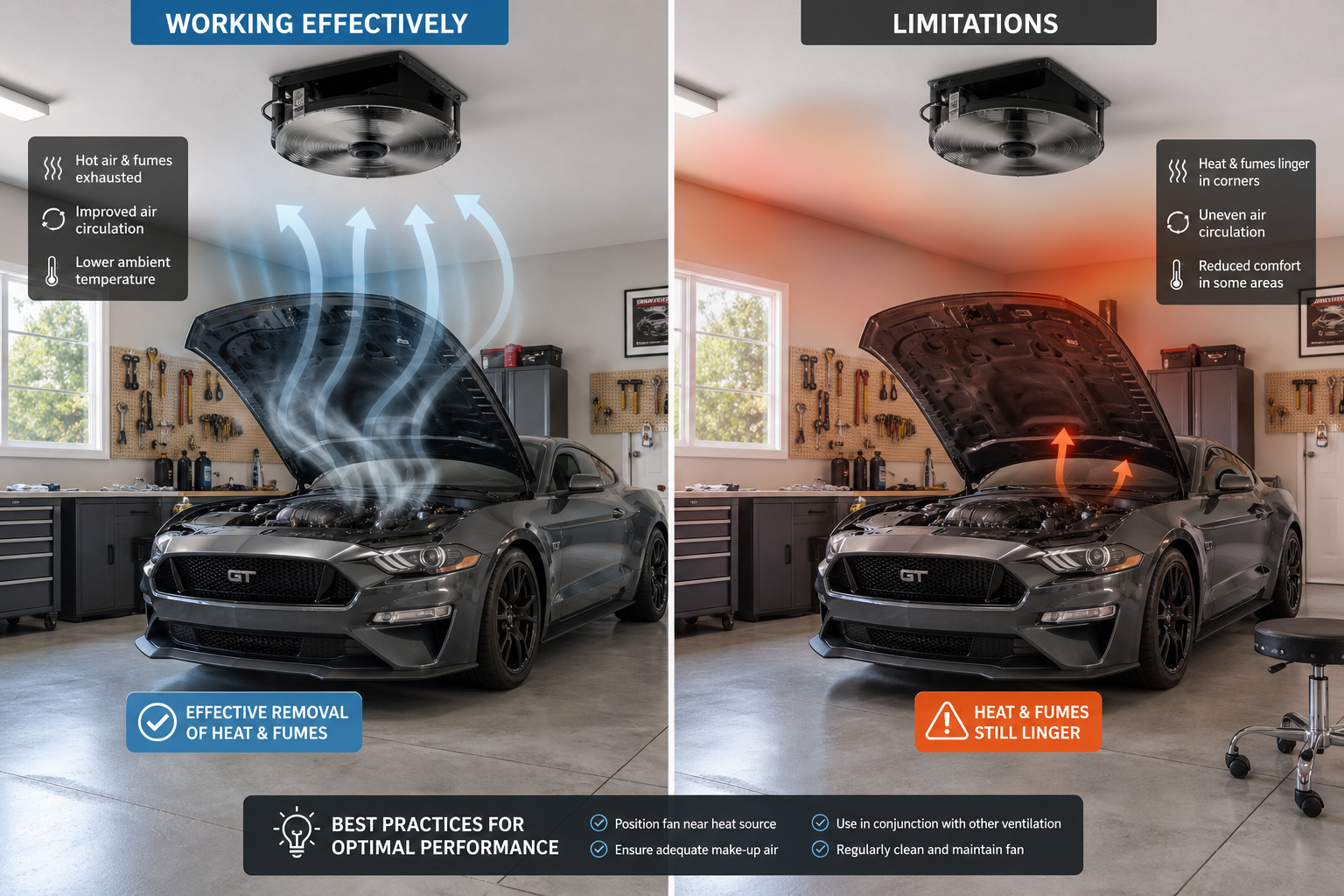
Getting this right requires matching your approach to actual conditions rather than following a generic formula. Climate, surface condition, and usage patterns all influence the best path forward.
Start with a small test area if you’re uncertain. A 4 by 4-foot section in an inconspicuous spot lets you evaluate performance and workability without committing to the full project. Troubleshooting a small test area is far easier than redoing everything.
Expect at least one surprise during the project. Hidden moisture, non-standard dimensions, or outdated wiring are common discoveries. Having backup materials and a flexible timeline reduces the stress when they appear.

Realistic Temperature Reduction
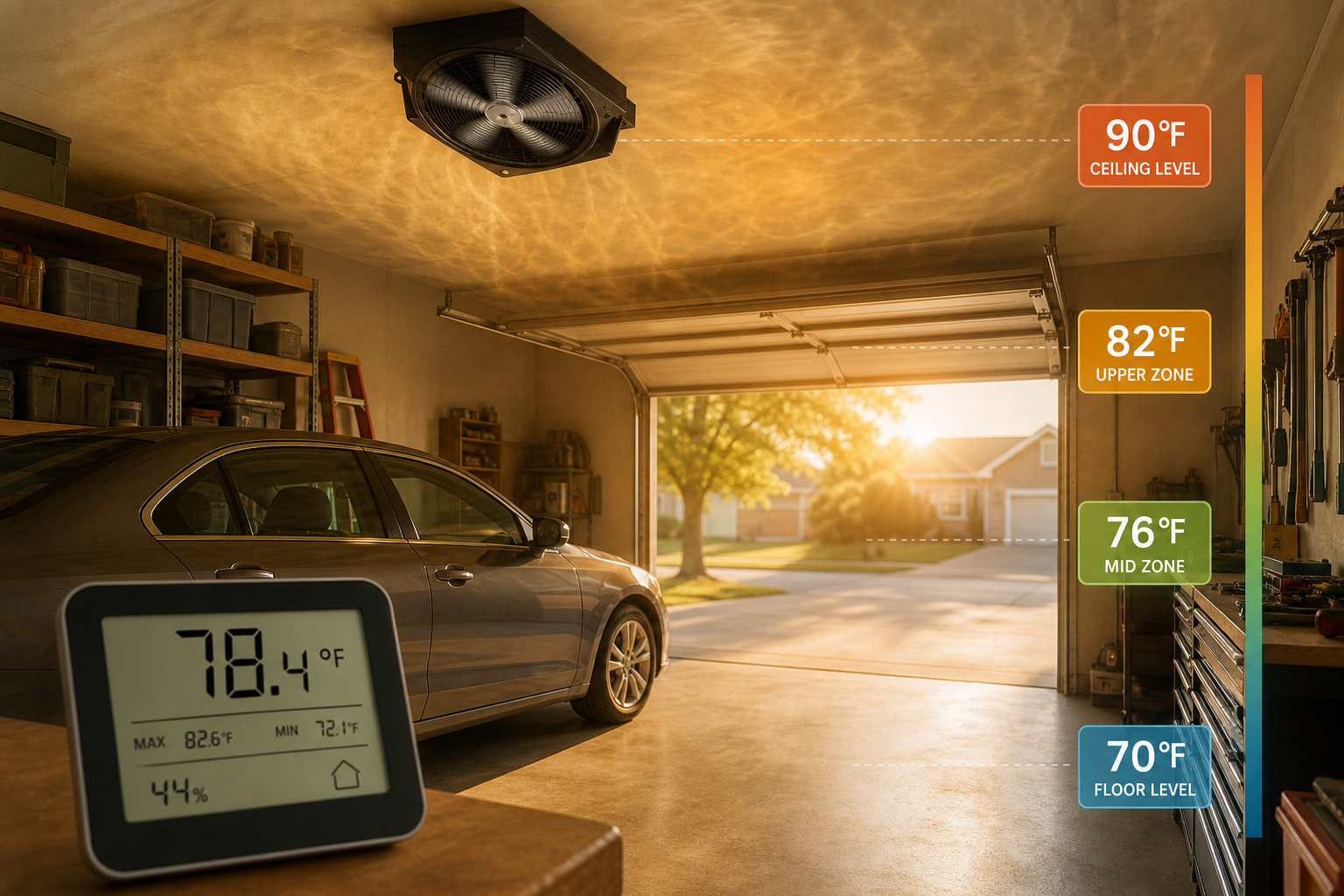
A quality garage ventilation fan typically reduces temperatures by 10-15 degrees, but won’t match indoor air conditioning performance. Understanding the specifics of your situation helps you choose the right approach. Your garage’s age, construction type, and local climate all influence what works best and what to avoid.
Check specific requirements before purchasing materials. Measure the area, note unusual conditions (extreme temps, high humidity, uneven surfaces), and read product specs carefully. A mismatch between your conditions and the product’s rated range is the most common cause of unexpected failures.
Consider how this change fits the larger garage picture. Improvements in one area can shift dynamics elsewhere. Better insulation changes humidity patterns. Heavy storage affects airflow underneath. Think about interactions, especially if you’re planning a garage workshop or home office conversion.
Fume and VOC Removal Effectiveness
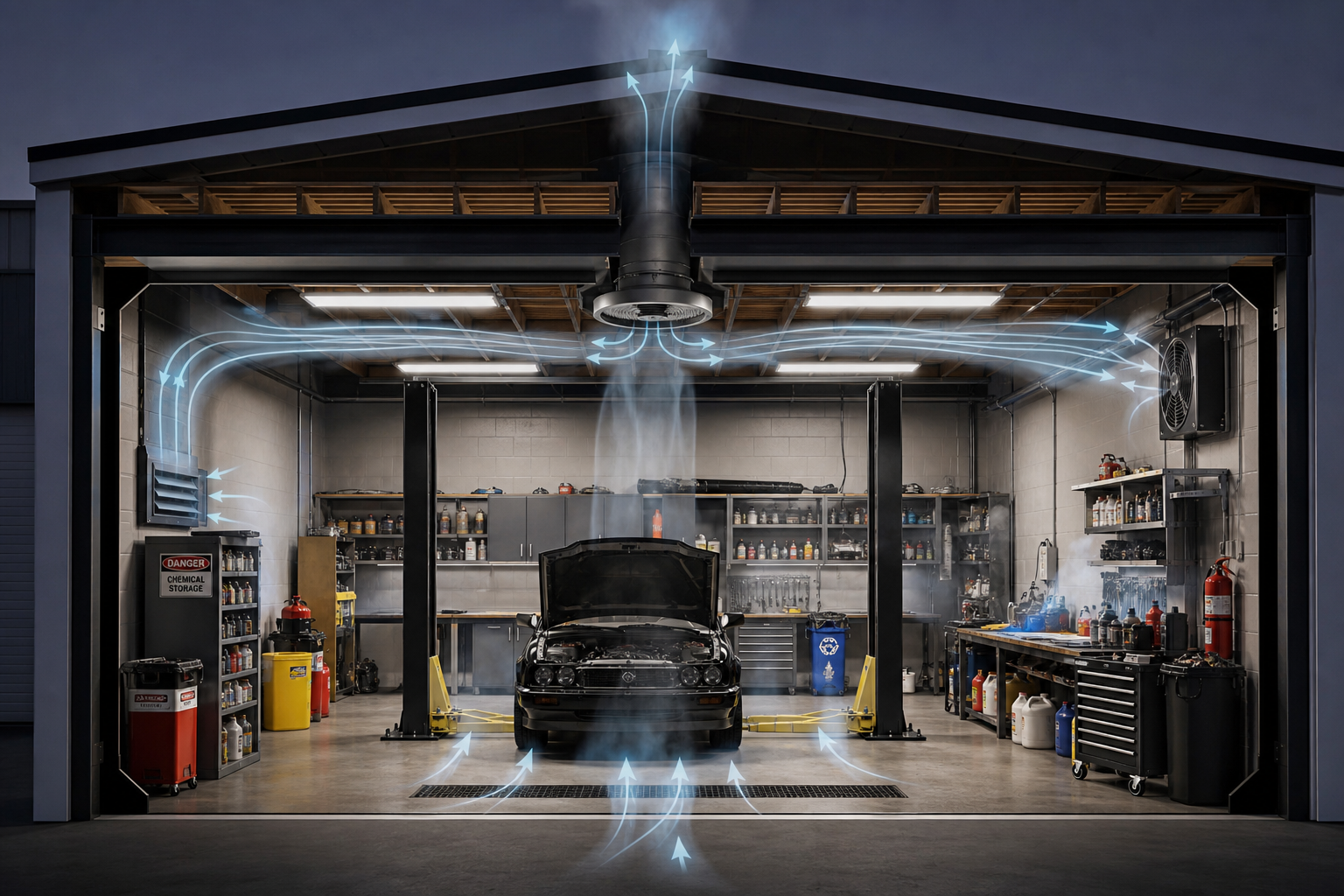
Garage exhaust fans excel at removing fumes and controlling humidity when properly sized and positioned. Understanding the specifics of your situation helps you choose the right approach. Your garage’s age, construction type, and local climate all influence what works best and what to avoid.
Work in small, manageable sections for better quality control. For any garage improvements, complete one section fully before starting the next. Rushing large areas creates inconsistencies and errors.
Wear appropriate protection throughout: safety glasses, gloves, respirator when working with chemicals or dust. Ventilate when using adhesives, paints, or solvents. These aren’t optional precautions.
Setting Proper Expectations Before Buying
This is an area where cutting corners comes back to haunt you. Invest the effort upfront and you’ll save significant time and money over the next several years of use.
Follow manufacturer instructions exactly, even when online tutorials suggest shortcuts. Formulations differ between brands; what works for one product can cause failure with another. If the data sheet says 4 hours between coats at 60 degrees minimum, those numbers aren’t suggestions.
Factor in maintenance when choosing your approach. The lowest-maintenance option isn’t always cheapest initially, but it usually wins over a 5 to 10-year window when you include touch-ups, repairs, and replacements.

Additional Considerations
Steel wool packed into openings and secured with expanding foam stops rodents (foam alone gets chewed through). Copper mesh is even better. For larger gaps, 1/4-inch galvanized hardware cloth screwed in place creates a permanent, chew-proof barrier.
Other entries include gaps around pipes and wires, sill plate-to-foundation spaces, unscreened vents, and deteriorated weatherstripping on side doors. Physical exclusion (sealing gaps) beats traps because it prevents entry entirely. For comprehensive garage pest control, combine ventilation improvements with proper sealing.
If you’re planning ventilation for a specialized space like a garage gym or art studio, consider additional air circulation options like high-velocity floor fans to complement your exhaust system.
When to Call a Professional
DIY covers most of what’s listed above, but some situations need professional help. High-voltage electrical work, garage door spring replacement, structural modifications, and commercial-grade installations requiring specialized equipment are all worth outsourcing. A botched repair often costs more to fix than hiring the right person from the start.
Get two to three quotes, verify licensing and insurance, and ask for recent references. A reputable contractor explains the process clearly, provides a written estimate, and backs the work with a written warranty.

Frequently Asked Questions
Can I handle garage ventilation fan installation as a DIY project?
Most installation steps are DIY-accessible with basic tools. However, electrical work, structural modifications, and high-tension spring work should go to licensed professionals.
How long will a quality garage ventilation fan last?
Expect years of reliable performance with quality materials and proper installation. Preparation quality is the single biggest longevity factor.
How much should I budget for a garage ventilation fan project?
Costs vary widely by scope and materials. DIY saves significantly on labor. Check current Amazon pricing for accurate material estimates.
What mistake should I avoid above all when installing garage ventilation?
Rushing preparation. Whether it’s surface prep, measuring, or reading instructions, upfront time prevents expensive do-overs.
This article contains affiliate links. We may earn a small commission at no extra cost to you.
