

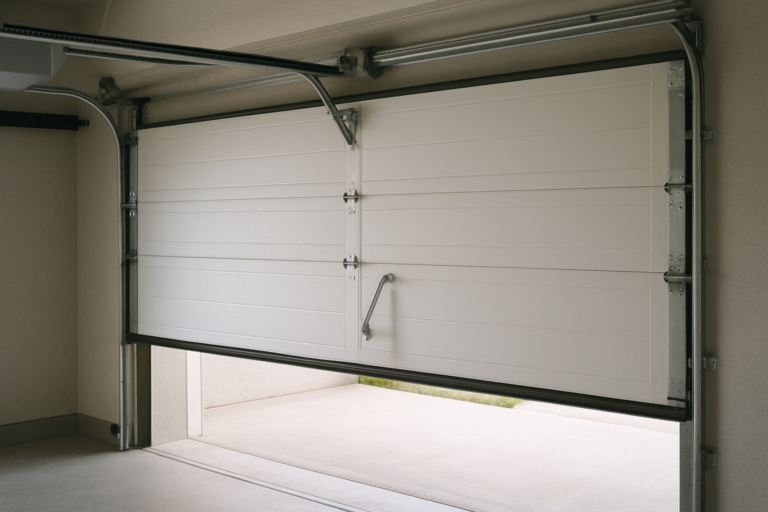
You’re rushing out, hit the garage door button, and it stops halfway. Just sits there.
It’s not only annoying, but it also throws off your whole day.
A garage door that won’t fully open or close can mean problems with security, convenience, or just getting your car out on time. Whether you’re mid-morning commuting or wrapping up a garage project, a door stuck halfway is a real headache.
In this guide, we’ll walk through the common reasons why this happens, such as sensor issues, friction, or worn parts, and show you safe, step-by-step fixes.
Why Does Your Garage Door Stop Halfway?
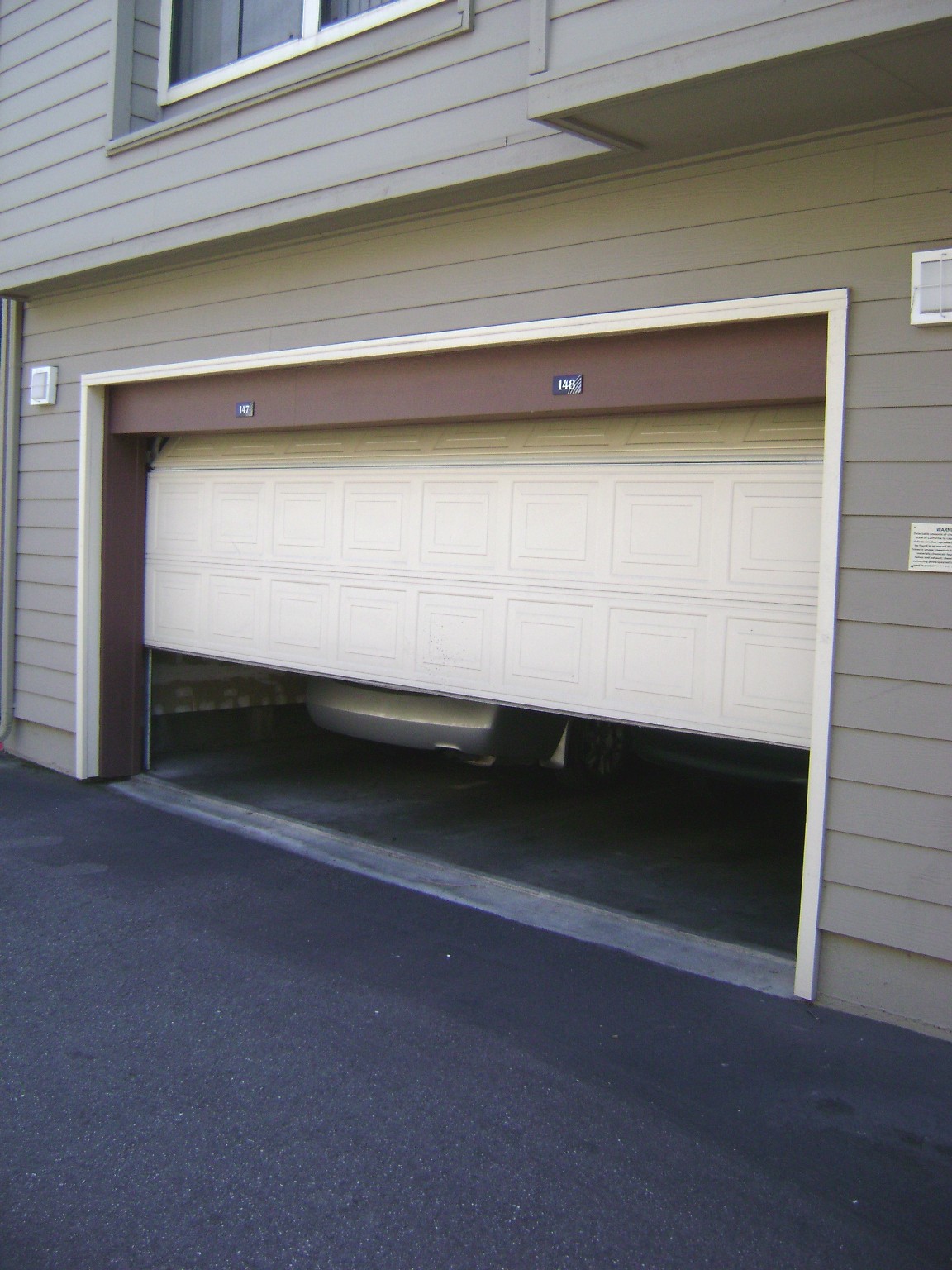
Sometimes, it’s something obvious. Other times, not so much. Let’s look at the most common reasons why your garage door might get stuck in limbo.
Obstructions
This one’s pretty simple: your door might be hitting something.
Take a look:
- Is there a ladder, rake, or storage bin too close?
- Any small object left in the door’s path?
- Or even something jammed inside the track?
Even a tiny pebble or buildup of leaves can make the opener think something’s wrong and stop movement. If you struggle with debris building up in your garage regularly, check out our guide on keeping your garage pest-free for tips on maintaining a cleaner space.
Safety Sensor Issues
Most automatic garage doors have safety sensors installed on either side near the floor. They shoot an invisible beam across the doorway. If something interrupts that beam (even a cobweb), the door won’t close all the way.
What can go wrong here?
- Misalignment: If the sensors aren’t perfectly facing each other, the beam breaks. Your door stops cold.
- Blockage: A mop handle, box, or even direct sunlight hitting the lens just right can interfere.
- Dirty lenses: Dust, bugs, or spiderwebs build up and stop the beam from working.
- Wiring damage: Not super common, but worn or frayed wires could mess up the signal.

Garage Door Safety Sensors
Essential replacement sensors for most modern garage door openers. Check compatibility with your system.
Incorrect Travel Limit Settings
Travel limits tell your opener how far the door needs to move before stopping. If these settings are off, the motor may think the door’s fully open or closed when it’s not.
Things that can throw the settings off:
- Power surges
- Vibration over time
- Manual adjustments that weren’t quite right
Incorrect Force Settings
Force settings control how much resistance the opener allows before giving up and reversing or stopping. If these are set too low, your door might get halfway up and stop when it feels a little extra resistance, like friction on the tracks or cold-weather stiffness.
This usually shows up as the door stopping somewhere in the middle or reversing suddenly, like it hit something invisible.
Track Problems
Tracks guide the rollers that help your door move smoothly. If they’re bent, loose, or blocked, you’ve got a problem.
Keep an eye out for:
- Bent or warped tracks: They mess with the rollers and make the door stick.
- Debris: Grit, nails, or even dead bugs inside the track can stop smooth movement.
- Loose brackets: If the mounting hardware shifts, your tracks can get out of alignment.
Roller Issues
Rollers are the little wheels that ride inside the tracks. They’re easy to ignore until they cause trouble.
Signs of trouble:
- Worn or broken rollers: Cracks, chips, or flat spots mean they don’t roll like they should.
- Stuck bearings: Some rollers have bearings inside. If those seize up, you’re in for a rough ride.
- Rust or grime: Sticky rollers = more drag = more chances your opener will give up.
Lack of Lubrication
If your door sounds like a haunted house and moves like it’s had a long night, lack of lube is probably the reason.
Parts that dry out:
- Hinges
- Roller shafts and bearings
- Tracks (just a light coat)
- Springs (depends on the model)
- Chain or screw drive (depends on the opener type)
Dry moving parts create friction. That makes the opener strain harder, which might trip its built-in protection and shut things down.

White Lithium Grease for Garage Doors
Professional-grade lubricant specifically designed for garage door components. Lasts longer than standard oils.
Spring Problems
This part’s serious. Garage door springs are under major tension and can cause injury if mishandled.
What springs do: They counterbalance the door’s weight so your opener isn’t doing all the lifting.
If you’ve got a spring problem, you might notice:
- A loud bang from the garage (spring snapped)
- A door that’s suddenly hard to lift by hand
- Gaps in the torsion spring
- Jerky or uneven movement
Important: If you think it’s a spring, don’t try to fix it yourself. That’s pro-only territory.
DIY Fixes to Get Your Door Back on Track
Before you panic or call a repair service, try these hands-on steps.
Safety First
Unplug the garage door opener before touching anything. Power off means no surprises.
Know how to use the manual release (usually a red cord). Only pull it when the door is fully closed or well-supported. If the springs are damaged, the door can move suddenly. And, always keep your hands away from hinges and section gaps.
Clear the Path
Walk the area. Clear anything in the door’s path or stuck in the tracks: tools, leaves, small objects, even toys. It only takes one thing out of place to stop everything.
Check, Clean, and Align Safety Sensors
Wipe the sensor lenses with a dry, soft cloth. If either light is blinking or off, they’re misaligned or blocked.
Loosen the bracket slightly and move one sensor until both lights glow steadily. Use a level or a string to align them evenly across the doorway, then tighten the brackets and double-check for anything interrupting the beam.
Clean Tracks and Rollers
Dust, grit, and grime build up fast. Use a vacuum or a cloth to clean the inside of the tracks. Wipe down the rollers while you’re at it. Dirty rollers cause drag, which can stop the door cold.
Lubricate Moving Parts
Apply a garage-safe lubricant like white lithium grease or silicone spray to:
- Roller shafts
- Hinges
- Springs (if your manual allows)
- Opener screw or chain rail
Use it lightly, as too much lube attracts dirt. Avoid WD-40 for long-term use.
Inspect Tracks, Rollers, and Hardware
Check for bent tracks, loose brackets, or rollers that stick or look cracked. Tracks should be straight and mounted tightly, but don’t overtighten the bolts.
If rollers are damaged, especially the bottom ones, it’s safer to call a pro.
Adjust Travel Limits
On your opener unit, find the adjustment dials or buttons. These control how far the door travels before stopping.
Small turns or taps usually do the trick. Refer to your manual for exact steps, and always test after each adjustment. If you’re looking for information about different opener brands, we have a complete guide to help you understand your system better.
Adjust Force Settings / Sensitivity
If your door stops too easily, the force setting may be too low. Find the adjustment dial (separate from the travel limits) and increase it slightly.
Do a safety test with a 2×4 laid flat under the door. It should touch the board, then reverse. If it doesn’t, reduce the setting. Too much force is dangerous.
Test the Door Balance
With the door closed, pull the manual release.
Lift the door halfway and let go. It should stay still or move just a bit. If it slams or springs up, the springs are likely worn or broken. Don’t touch them as this fix requires a professional.
When to Call a Garage Door Professional
Not everything can (or should) be fixed with DIY. Some problems are dangerous, or just need tools and experience that the average homeowner doesn’t have. If any of the situations below apply, it’s time to bring in a professional:
- You suspect a broken spring. Maybe you heard a loud snap, or the door suddenly feels impossibly heavy to lift.
- The balance test fails badly. If the door slams down or shoots upward when disconnected from the opener, something’s seriously off with the springs.
- The tracks are bent or out of place. Forcing them back can cause bigger problems and even damage the door.
- The rollers are cracked or don’t spin freely. Especially the bottom ones, which are under tension and tricky to replace safely.
- Lift cables look frayed, snapped, or have slipped off the drum. These support the full weight of your door, so don’t take chances here.
- Your opener motor is making weird noises. Grinding, burning smells, or humming with no movement are all red flags.
- You’ve tried everything, and it still doesn’t work. Sometimes, the fix just needs a second set of trained eyes.
- You feel unsure or unsafe doing any of the steps. That alone is reason enough to call someone who does this for a living. Safety comes first.
How to Make Sure Your Garage Door Runs Smoothly in the Future
A little routine maintenance goes a long way. Staying ahead of small issues can help you avoid bigger, more expensive problems down the line.
Here’s what to stay on top of every 3 to 6 months:
Inspect all the moving parts. Check springs, cables, rollers, pulleys, tracks, and mounting brackets for signs of wear, rust, or damage.
Lubricate regularly. Apply a light coat of garage door lubricant to hinges, roller shafts, and other moving metal parts.
Test the safety sensors. Block the sensor beam while closing the door. It should immediately reverse. If it doesn’t, the beam may be misaligned or faulty.
Run the auto-reverse test. Place a 2×4 flat under the door. When it touches the board, it should reverse direction. If it doesn’t, your opener settings may be off, and that’s a safety hazard.
Check the balance. Disconnect the opener and lift the door halfway. It should stay in place or move just a little. If not, your springs may need adjustment by a pro.
Keep things clean. Wipe dust and grime off the tracks and sensors so they keep working properly. For a complete approach to cleaning your entire garage, we have tips that can help you stay organized.
Listen while it operates. Scraping, squealing, or grinding noises aren’t just annoying. They usually mean something’s wearing out or out of place. Catching it early can save you trouble later.
Conclusion
A garage door that stops halfway is frustrating, but usually, the cause is simple: misaligned sensors, debris, dry rollers, or off settings. Many of these can be fixed with basic tools and a careful eye.
Just know when to stop. If springs, cables, or anything dangerous is involved, it’s time to call a pro. A working door keeps your car safe, your space secure, and your routine on track.
Don’t wait for a small issue to grow. Regular checks and a little maintenance go a long way in keeping your garage door running the way it should.
If you’re considering whether upgrades like insulating your garage door or improving your entire finished garage can add value to your home, we’ve got guides that explore those topics in depth.
Frequently Asked Questions
How do I know if my garage door sensors are misaligned?
Check the indicator lights on each sensor. Most sensors have small LED lights that glow steadily when properly aligned. If one or both lights are blinking or off completely, the sensors aren’t lined up correctly. You can also try closing the door and watching for it to reverse unexpectedly when nothing’s blocking the path.
Can I adjust garage door travel limits myself?
Yes, most homeowners can adjust travel limits safely. Look for adjustment dials or buttons on your garage door opener unit, usually labeled “up” and “down” or with limit symbols. Make small adjustments (quarter turns at a time), then test the door. Always consult your opener’s manual for specific instructions, as different models vary.
How often should I lubricate my garage door parts?
You should lubricate your garage door moving parts every 3 to 6 months. This includes hinges, roller shafts, springs (if recommended by your manufacturer), and the opener chain or screw drive. Use a garage-specific lubricant like white lithium grease or silicone
