

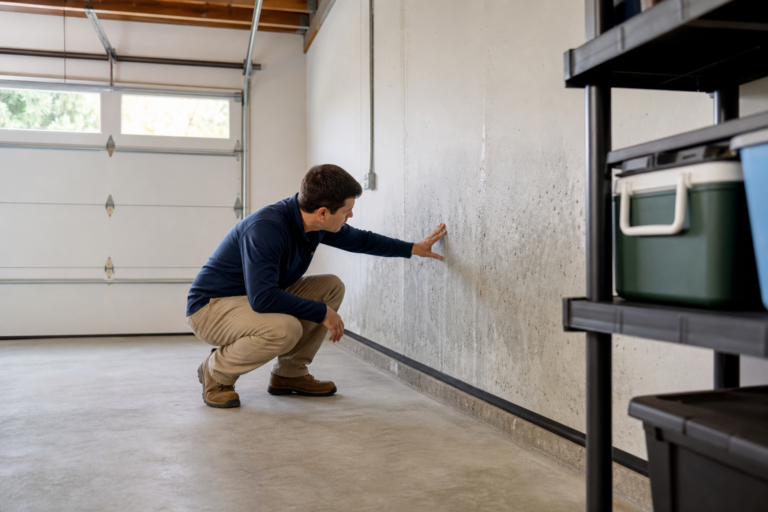
Dealing with garage wall condensation? This frustrating issue catches you off guard when everything seemed fine until you notice moisture problems. The good news is that these issues almost always trace back to identifiable causes with practical solutions.
This guide covers the most common culprits in diagnostic order, starting with the simplest checks. Most readers find their answer within the first few sections without needing a service call.
Understanding the Basics
Mount an exhaust fan high on the wall opposite the garage door for heat removal. Hot air collects at the ceiling, and the fan pulls it out while cooler air enters through the open door or a low intake vent. A 1,400 CFM fan exchanges air in a two-car garage every 3 to 4 minutes.
Most garages have only passive ventilation (air leaking around the door), which is inadequate for workspace use. A single wall-mounted exhaust fan creates deliberate airflow that removes heat, moisture, and fumes. The improvement is immediate and dramatic.
For condensation, a dehumidifier and improved ventilation are the most effective solutions. A 50-pint unit keeps relative humidity below 60% in most two-car garages. Choose a model with auto-defrost if your garage drops below 65 degrees, since standard units ice up in cool conditions.
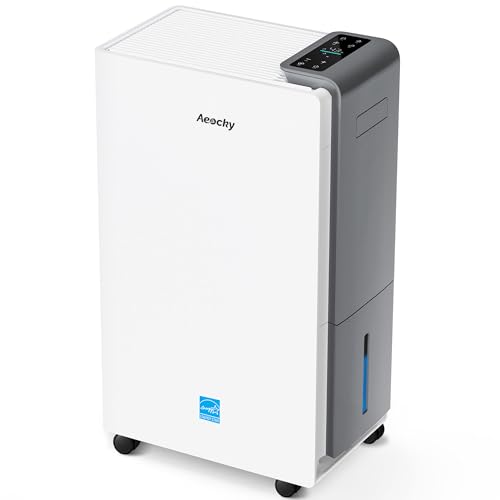
Garage Dehumidifier
Auto-defrost models work reliably in cool garage conditions
Identifying Moisture Sources
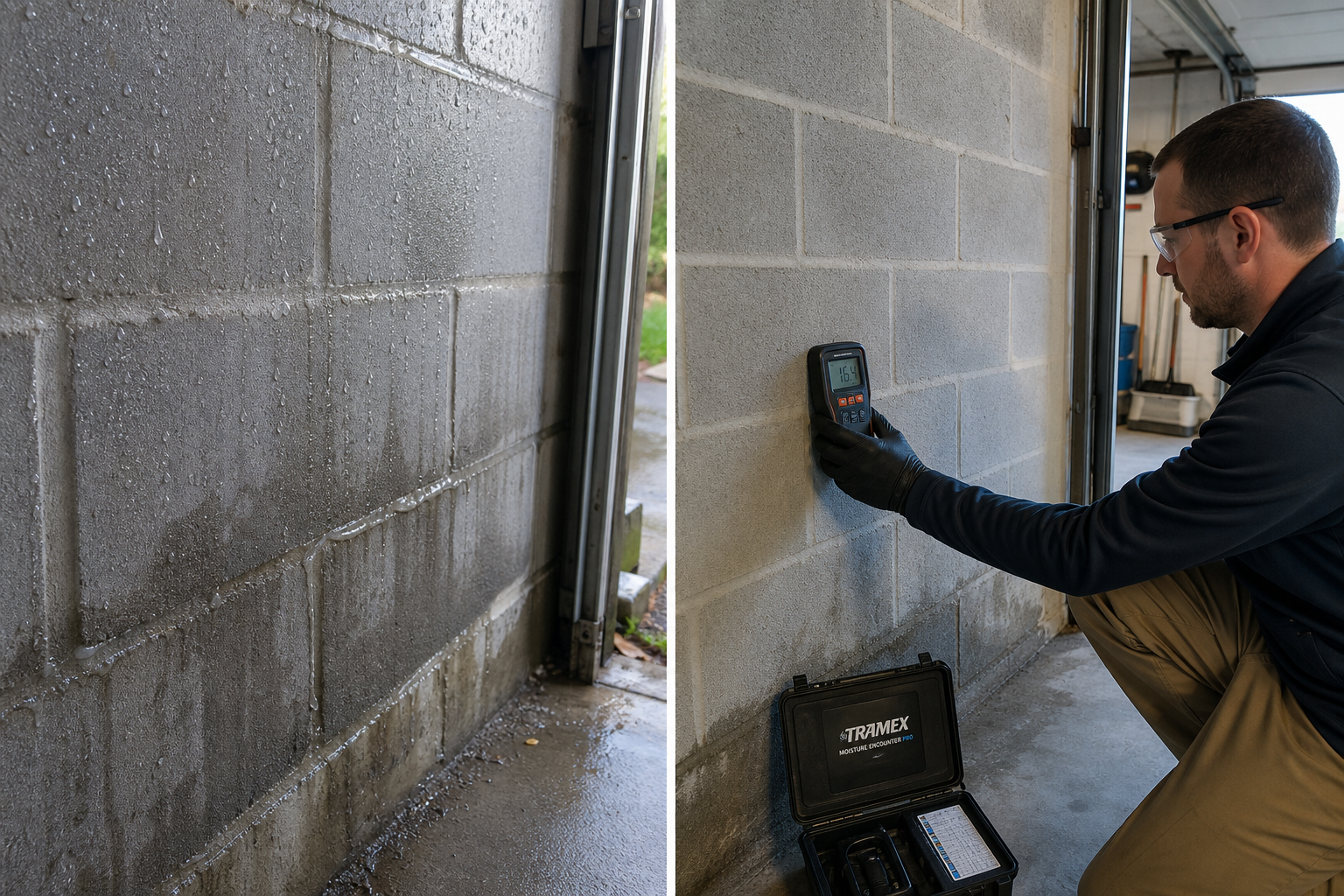
Moisture in a garage comes from two primary sources. Vapor transmission moves water through the concrete slab from soil below. Condensation forms when warm humid air contacts the cooler slab surface. Each requires a different solution, and treating the wrong one wastes time and money.
Vapor transmission requires a penetrating concrete sealer (silane or siloxane based) that blocks moisture migration through the slab. Apply to clean, dry concrete and allow full cure. Severe cases may need a dedicated vapor barrier coating or membrane system before any decorative finish.
Troubleshooting Dew-Point Issues and Solutions
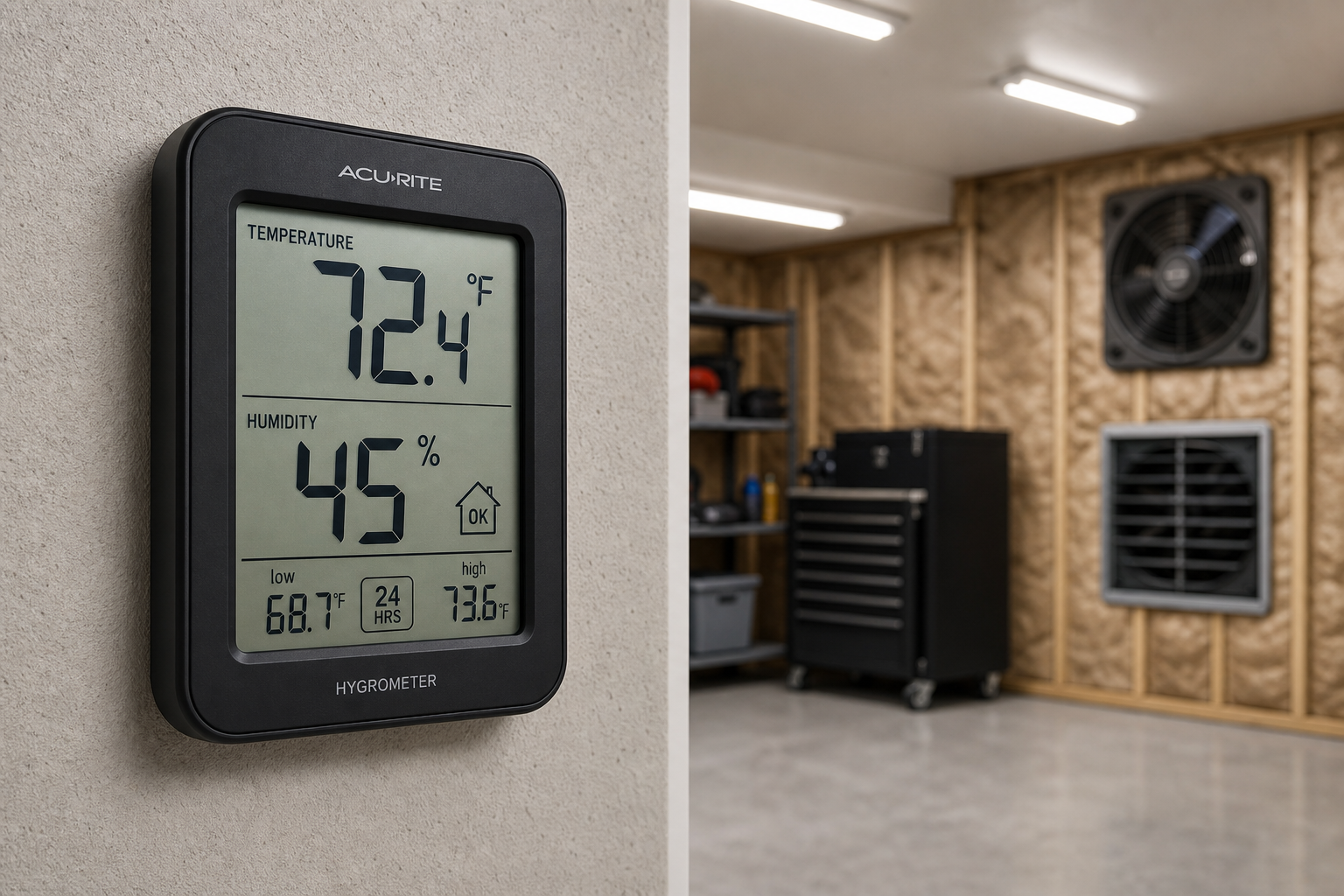
Insulation upgrades, vapor barriers, and exhaust fans require exact specs. Getting this right means matching your approach to actual conditions rather than following a generic formula. Climate, surface condition, and usage patterns all influence the best path forward.
Start with a small test area if you’re uncertain. A 4 by 4-foot section in an inconspicuous spot lets you evaluate adhesion, appearance, and workability without committing to the full project. Troubleshooting a small test area is far easier than redoing everything.
Budget 50% more time than guides suggest if this is your first project of this type. The learning curve is real, and careful work produces better results than rushing to meet an estimated timeline.
Proper garage roof ventilation complements your wall-mounted exhaust fan by creating a complete air circulation system.
Practical Planning Tips
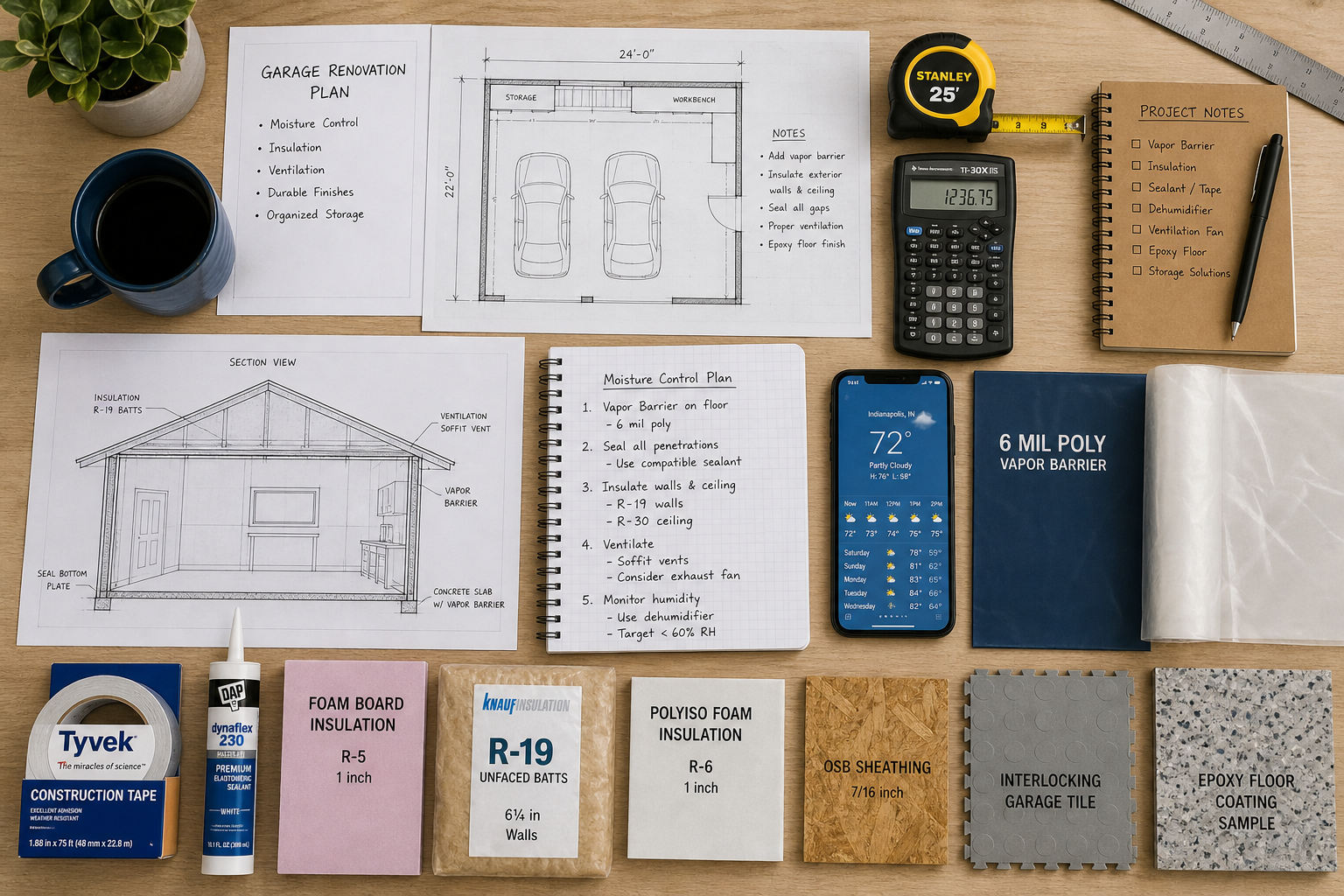
Consider the seasonal timing of your project. Floor coatings apply best in mild weather (50 to 85 degrees). Insulation projects are most motivating (and noticeable) before extreme weather hits. Electrical and plumbing work can happen year-round but should be completed before insulating or finishing walls over the wiring.
Set a realistic timeline and budget before buying anything. Most garage projects take 50% longer and cost 20% more than initial estimates, especially for first-timers. Build that buffer into your plan so unexpected discoveries don’t derail the entire project or blow the budget.
Before starting any garage project, take stock of what you have and what you need. Walk the space with a tape measure and a notepad. Record dimensions, note existing electrical outlets and their amperage, check for moisture issues, and photograph anything you want to change. This baseline assessment prevents surprises mid-project and helps you budget materials accurately.
Invest in quality tools for tasks you’ll repeat. A reliable stud finder, a good level, a quality tape measure, and proper safety gear (eye protection, hearing protection, respirator) make every project easier and safer. These tools pay for themselves across multiple projects over the years.
If you’re converting your garage into a workspace, check out these garage workshop ideas that incorporate proper ventilation and moisture control.
When to Call a Professional
DIY covers most of what’s listed above, but some situations need professional help. High-voltage electrical work, garage door spring replacement, structural modifications, and commercial-grade coatings requiring specialized equipment are all worth outsourcing. A botched repair often costs more to fix than hiring the right person from the start.
Get two to three quotes, verify licensing and insurance, and ask for recent references. A reputable contractor explains the process clearly, provides a written estimate, and backs the work with a written warranty.
For garage door weather stripping replacement, proper installation prevents moisture infiltration that contributes to condensation problems.
Additional Considerations for Long-Term Success
Your garage door itself plays a major role in moisture control. Poor insulation and air sealing around the door allows humid outside air to enter and create condensation problems. An insulated garage door upgrade can make a 10 to 15-degree temperature difference.
Wall-mounted fans provide targeted ventilation where you need it most. Check out the best garage wall-mount fans for options that handle moisture removal effectively.
Frequently Asked Questions
Can I heat an uninsulated garage without condensation issues?
A heater will run nonstop without reaching comfort levels, and the temperature differential can actually worsen condensation problems. Even basic insulation (door kit plus air sealing) makes any heater dramatically more efficient and reduces moisture issues.
What’s the most impactful garage insulation upgrade for condensation control?
The garage door. An insulation kit alone can make a 10 to 15-degree temperature difference. Then seal air gaps around the frame for the next biggest improvement in moisture control.
Will insulating my garage lower energy bills?
If it shares a wall with heated living space, yes. The insulated garage buffers heat loss from adjacent rooms. This is most noticeable in cold-climate attached garages and helps prevent the temperature differentials that cause condensation.
How do I know if I have vapor transmission or condensation problems?
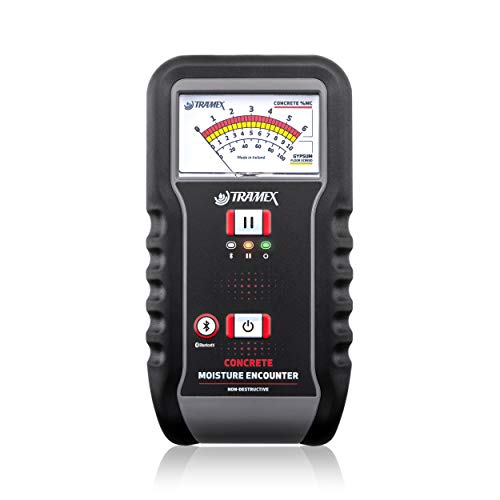
Use a moisture meter to test the concrete slab. Vapor transmission shows consistent moisture readings throughout the slab, while condensation appears as surface moisture that varies with temperature and humidity changes.
This article contains affiliate links. We may earn a small commission at no extra cost to you.
