

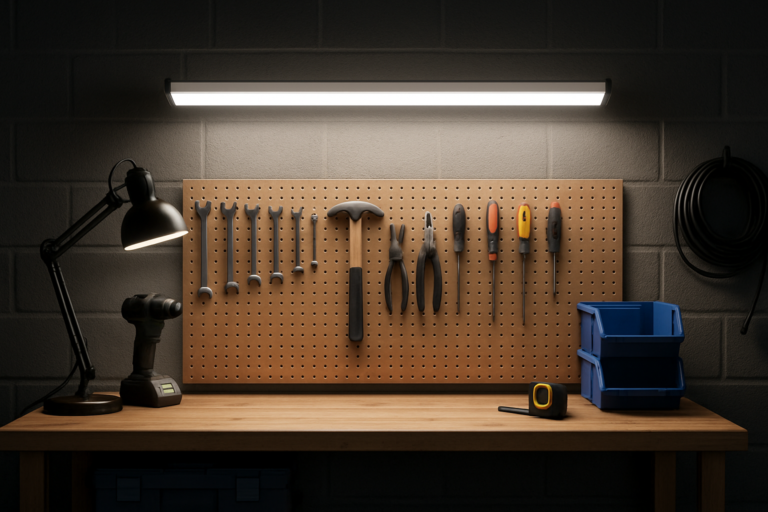
Working on detailed projects in dim lighting is a recipe for frustration, mistakes, and eyestrain. You might have overhead lights in your garage, but they cast shadows right where you need to see most clearly. Your workbench deserves dedicated lighting that puts brightness exactly where your hands are working.
The right workbench lighting transforms your workspace from adequate to excellent. You’ll spot flaws in your work faster, reduce fatigue during long sessions, and work more safely with power tools and sharp edges. Let’s look at the best lighting solutions for different workbench setups and budgets.
Understanding Color Temperature for Workbench Tasks
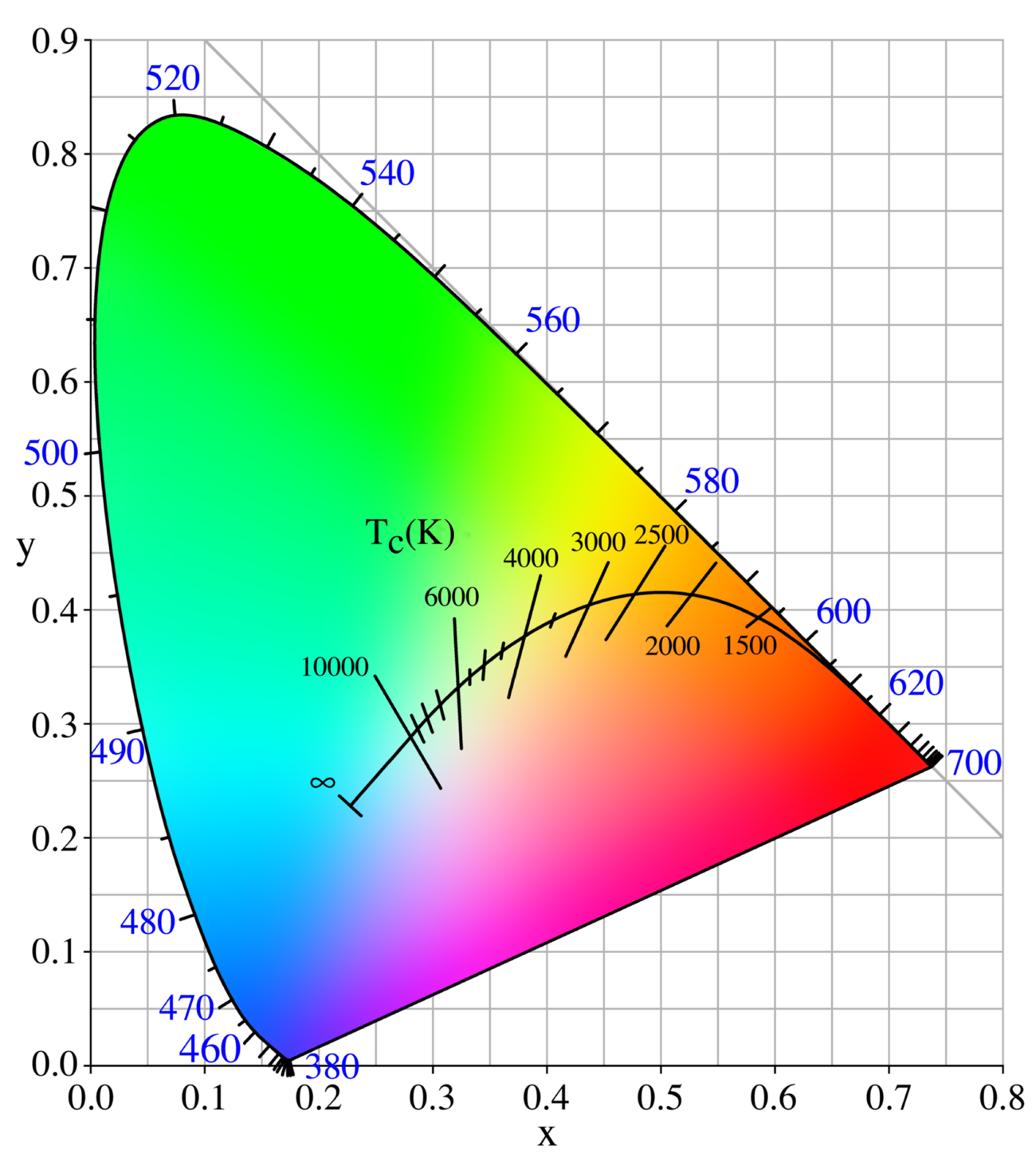
Color temperature matters more than most people realize when selecting task lighting. Measured in Kelvins, this specification tells you whether light appears warm (yellowish) or cool (bluish white).
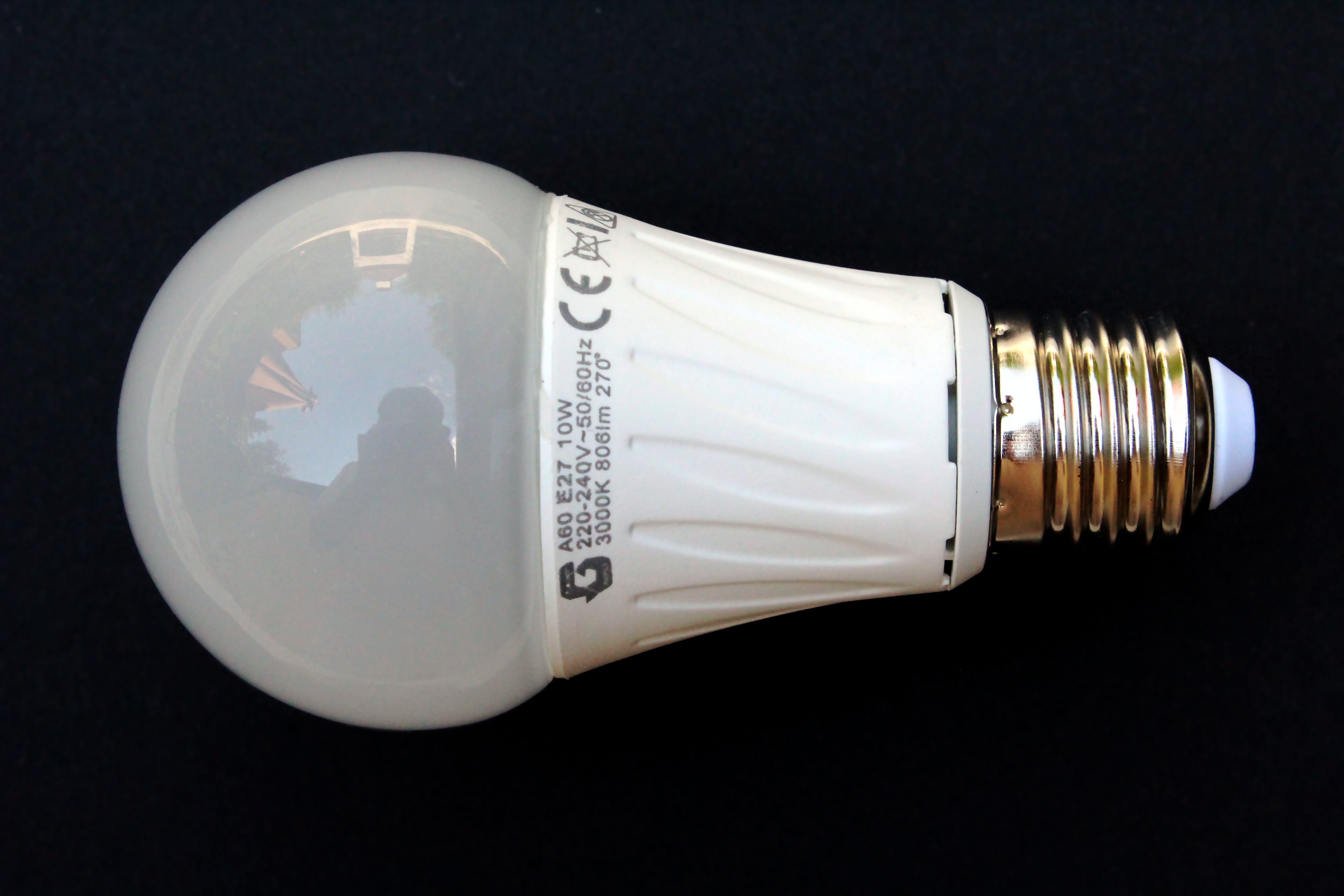
For workbench tasks, you want lights in the 4000K to 5000K range. This produces a neutral to cool white light that closely mimics natural daylight. You’ll see colors accurately, which matters when matching paint, stain, or finishes. Lower temperatures around 2700K to 3000K create a warm, cozy glow that’s great for living spaces but terrible for detail work.
Some LED systems offer adjustable color temperature. While this sounds appealing, most people find their preferred setting and never change it. You’re better off saving money and choosing a fixed-temperature option around 4500K.
Under-Cabinet LED Light Bars
Under-cabinet LED strips mount along the underside of shelving or cabinets above your workbench. They provide wide, even illumination across your entire work surface without taking up any workspace. This approach works particularly well when you’re planning a comprehensive lighting layout for your entire garage workspace.
These fixtures come in linkable sections, typically 12 to 48 inches long. You can connect multiple units to cover wider benches. The best models feature aluminum housings that dissipate heat and protect the LEDs, extending their lifespan well beyond cheaper plastic versions.

Linkable LED Under Cabinet Lights
These provide consistent overhead task lighting perfect for full workbench coverage
Installation is simple with either mounting clips or adhesive strips, though I recommend screws for permanent workshop installations. Most units plug into standard outlets, but hardwired options exist if you prefer a cleaner look without visible cords.
Look for lights with at least 1000 lumens per 24 inches of length. Anything less won’t provide sufficient brightness for detailed work. Some models include dimming switches, which can be useful when you need less intense lighting for certain tasks.
Articulating LED Task Lamps
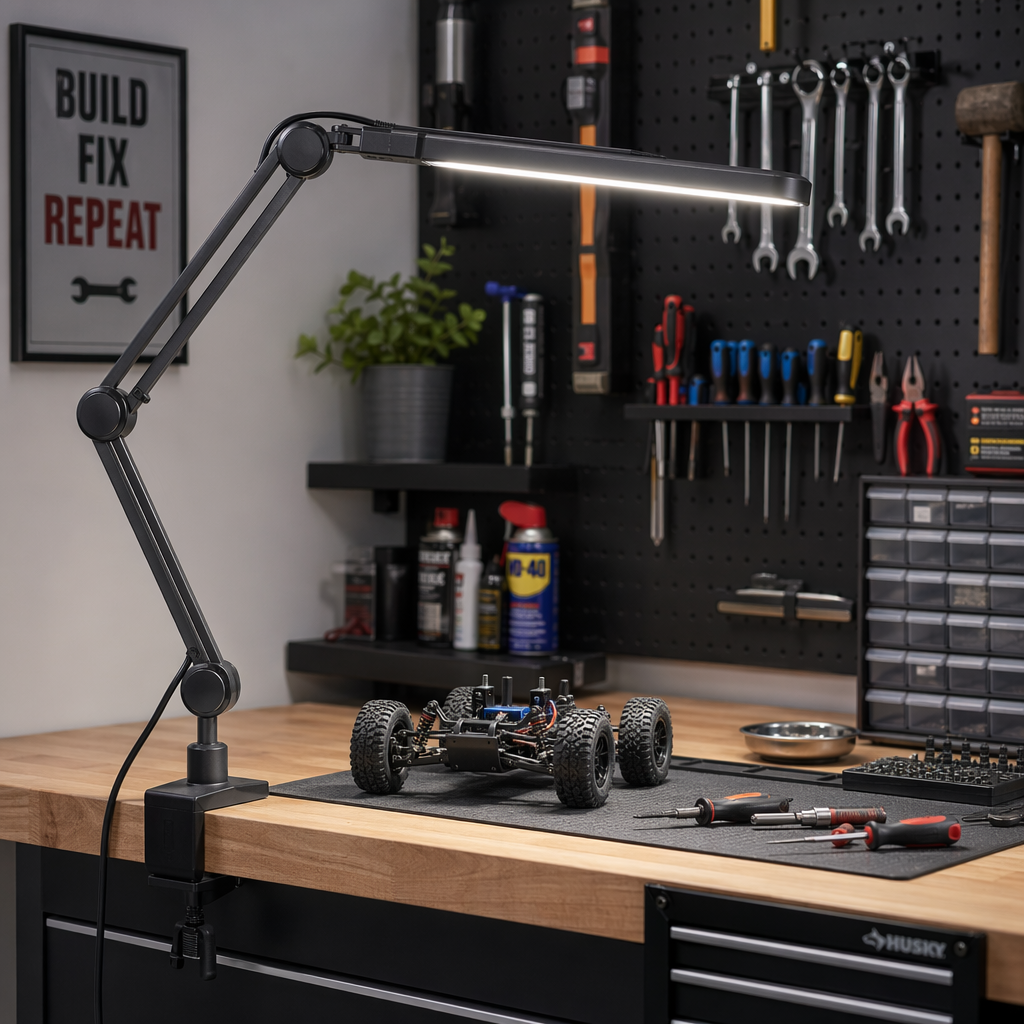
Articulating lamps give you pinpoint control over lighting direction. These desk-style lamps feature adjustable arms that let you position the light head exactly where you need it, then swing it out of the way when you’re done. For the most effective shadow-free workbench illumination, articulating lamps excel at directing light from multiple angles.
The best workshop articulating lamps use spring-tensioned arms or sturdy ball joints that hold position under their own weight. Cheap models with loose joints will droop and drift, forcing you to constantly readjust them. Check reviews specifically mentioning whether the arm stays put.
Mounting options include clamp-on bases, weighted stands, or bolt-through installations. Clamp-on versions work great for workbenches with overhanging edges. For benches flush against walls, you’ll need either a weighted base or a wall-mounted swing arm.

Clamp-On LED Magnifying Lamp
Combines bright LED lighting with magnification for detailed assembly and inspection work
Some articulating lamps include built-in magnification, typically 3x to 5x. This combination proves incredibly useful for electronics work, jewelry making, or any task involving tiny components. The integrated magnifier beats juggling a separate magnifying glass while trying to work.
Magnetic LED Strip Lights
Magnetic LED strips stick to any steel surface, making them perfect for tool chests, metal shelving, or steel-framed workbenches. You can reposition them instantly as your lighting needs change between projects.
These portable lights run on rechargeable batteries or USB power. Battery-powered versions offer complete flexibility but need regular recharging. USB-powered strips require a cable connection but never run out of juice mid-project. Consider getting rechargeable magnetic LED work lights with both options built in.
The magnetic attachment is surprisingly strong on quality units. I’ve had magnetic strips stay firmly attached to vertical surfaces for months without slipping. Just make sure your mounting surface is clean and free of paint or powder coating that might reduce magnetic grip. They work particularly well when mounted on pegboard tool organization systems with metal backing.
Length varies from compact 6-inch models to 24-inch bars. Shorter lights work well as supplemental lighting for specific areas, while longer strips can serve as your primary task lighting on smaller benches.
Power Considerations and Cord Management
Your lighting setup needs reliable power without creating a tangled mess of cords across your workbench. Most LED task lights run on 12V DC power supplied by wall adapters, though some use standard 120V AC connections.
Installing a dedicated power strip underneath your work surface keeps outlets accessible while hiding cords. Mount it along the back edge of your bench for easy access. Some workbench owners install USB outlets specifically for charging battery-powered lights and other devices.
Cord length matters more than you might expect. Lights with 6-foot cords often come up short when outlets are across the room. Check cable length before purchasing, or plan to use extension cords. White extension cords blend better with typical workshop walls than black or orange versions. When planning your electrical setup, consider the overall dimensions and measurement requirements for your garage workspace.
Battery-powered options eliminate cord clutter entirely but introduce the maintenance task of regular recharging. Keep a charging schedule if you go this route, or you’ll find your lights dead when you need them most.
Combining Multiple Light Sources
The best workbench lighting typically combines two or three different sources. Start with under-cabinet LED bars for general illumination across the entire work surface. Add an articulating lamp for focused lighting on your immediate work area.
This layered approach eliminates shadows more effectively than any single light source. When overhead lights cast shadows from your hands or tools, the articulating lamp fills them in from a different angle. You get consistent brightness regardless of how you position yourself at the bench.
Consider adding magnetic LED strips as supplemental lighting for specific situations. Keep one in your tool drawer to light up the inside of cabinets, engine compartments, or other tight spaces where your main workbench lights can’t reach.
Total lumens across all your lights should reach at least 3000 to 5000 for a standard 6-foot workbench. More is better for detailed work like electronics repair or finish carpentry. You can always dim lights that are too bright, but you can’t make inadequate lights any brighter.
Frequently Asked Questions
How many lumens do I need for workbench lighting?
Plan for 75 to 100 lumens per square foot of workbench surface for general tasks, or 150 to 200 lumens per square foot for detailed work like electronics or precision assembly. A typical 6-foot by 2-foot workbench needs 1800 to 2400 lumens for regular use, or up to 4800 lumens for fine detail work. Multiple light sources provide better coverage than one extremely bright fixture.
Should I choose plug-in or hardwired workbench lights?
Plug-in lights offer easier installation and flexibility to rearrange your setup later. Hardwired lights provide a cleaner appearance without visible cords but require basic electrical work or hiring an electrician. For most home workshops, plug-in options make more sense unless you’re doing a complete workshop renovation where you can plan electrical rough-in locations.
Can I use regular LED shop lights instead of dedicated task lighting?
Standard LED shop lights work fine for general workshop illumination but don’t provide the focused, shadow-free lighting that dedicated task lights deliver. Shop lights mounted directly over your workbench help, but your body and hands still create shadows on your work surface. Combining overhead shop lights with under-cabinet or articulating task lights gives you the best results.
This article contains affiliate links. We may earn a small commission at no extra cost to you.
