Garages tend to fill up fast. Between the lawn tools, sports gear, and boxes of “I’ll-deal-with-it-later” stuff, it’s easy to start eyeballing the attic space above as the perfect storage fix.
That empty space might seem like a goldmine, but is it actually safe to use?
This guide walks you through everything you need to know before loading up your garage attic. From structural safety and access hazards to how to reinforce the space and what not to store up there, we’ll help you make the right call before climbing that ladder with a bin full of Christmas lights.
Why Garage Attics Aren’t Always Storage-Ready
At first glance, a garage attic looks like unused space begging to be filled, but don’t be fooled. A lot goes on behind those ceiling panels that can make storing your stuff risky.
Structural Integrity
Just because there’s space doesn’t mean it can handle weight. Most newer garages are built with engineered trusses, the W-shaped 2×4 frames that hold up the roof.
They’re not made to support storage loads. Stacking items on them can lead to bending, cracking, or even total failure.
Some older or custom garages may use floor joists instead, thicker beams like 2x6s or 2x8s. These might handle light storage, but only if they’re correctly spaced and supported.
Even then, weight must be spread out evenly, ideally near walls or across several joists. Never place anything directly on the truss bottom chords as they’re not designed for load-bearing.
Safety Hazards
Even if the structure holds, getting in and out of the attic safely is a challenge. Many garages only have a small ceiling hatch, and some don’t have a ladder at all. If there is a ladder, it might be flimsy or not rated for the weight you’ll be carrying.
Once inside, there’s usually little room to move. Headspace is tight, flooring may be unstable or missing, and trying to balance on narrow joists while carrying bins is a serious fall risk.
Harsh Environmental Conditions
Garage attics deal with extreme temperature swings. In summer, they can heat up past 150°F; in winter, they can drop below freezing. Without proper insulation or ventilation, that kind of environment destroys most materials.
Moisture builds up from condensation or small roof leaks, especially during cold months. This creates the perfect setting for mold and mildew. Wood, paper, fabric, and electronics stored in these conditions can warp, rot, or stop working altogether.
If you’re storing items in bins, you’ll want to know how to keep moisture out of storage containers to protect your belongings.
Fire Hazards
Fire risks often go unnoticed. Old or damaged wiring tucked behind the drywall can spark, especially if it’s disturbed by stored items.
Non-IC-rated recessed lights can overheat if they touch insulation, and storing flammable materials like paint or gas in a hot attic makes the danger even worse.
Pest Intrusion
Attics are a magnet for rodents, insects, and even birds. Mice chew through insulation, wires, and boxes. Bugs like moths and spiders multiply fast.
Birds can get in through damaged vents. They don’t just damage items, they leave behind droppings and messes that turn the attic into a health hazard. For practical tips on managing pests in your garage space, check out our guide on DIY garage bug control.
How to Assess YOUR Garage Attic
Before you trust your attic with storage duty, you need to inspect it carefully. Not every attic is built the same, and a quick check can save you from costly damage.
Identify Your Structure
Start by safely viewing the attic from the hatch or ladder. Do not step on drywall or truss bottom chords, they’re not made to support weight. If you must step inside, only do so on clearly visible, sturdy joists.
Take note of the framing. W-shaped trusses made from 2x4s? That’s a sign the space wasn’t built for storage.
But, if you see larger, parallel beams (like 2x6s or 2x8s) that run in the same direction, you might have joists that can carry some weight. Measure the spacing between them; wider gaps limit your options for flooring and container placement.
Examine the Existing “Floor” or Decking
Is there already a floor? Check for plywood or OSB and look at how thick and secure it is. More importantly, figure out what it’s sitting on, joists or trusses?
Flooring installed on trusses is a red flag, especially if it looks like a DIY job. And, keep in mind: insulation between joists isn’t meant to support anything, not even a storage bin.
Evaluate Access
Do you have a proper hatch? Is it big enough to fit your storage items? Take a look at the ladder if there is one. It should be firmly installed, stable, and rated to handle your weight plus whatever you’re carrying. No ladder at all? That’s a safety issue already.
Inspect Insulation & Ventilation
Check the insulation: what type is it, and what shape is it in? Is it covering any vents? Look for soffit, ridge, or gable vents and make sure they’re not blocked. While you’re at it, check for signs of moisture like stains, damp patches, or that musty mildew smell.
Check for Utilities & Obstructions
Take a good look around for wires, junction boxes, ductwork, or plumbing pipes. These systems often run through attic spaces and shouldn’t be touched or rested on. Any damage or interference can create problems far beyond just storage concerns.
How to Make Your Garage Attic Safe for Storage
Thinking about turning your garage attic into a storage area? Don’t move forward until a professional confirms the structure is safe. Any upgrades or reinforcements should always be planned and approved by someone who knows what they’re doing.
Structural Reinforcement (If Needed)
If your attic isn’t built for storage, changes like sistering joists (adding extra boards alongside existing ones) might help, but this has to be designed by a structural engineer. DIY guesswork here can lead to serious issues.
Install Proper Flooring
If the joists are approved for storage, install ¾-inch plywood or OSB rated for heavy loads. Lay it perpendicular to the joists and secure it with screws.
The decking should rest only on approved framing, not on trusses. Always leave a small gap around the edges to keep airflow moving and avoid covering vents.
Upgrade Access
A safe entry point is a must. Install a code-compliant pull-down attic ladder that’s firmly mounted. If access is tight, a loft door kit can make entry easier and safer.
If you’ll use the attic often or plan to store heavy bins, consider a permanent staircase (if space allows) or a motorized attic lift. Many lifts can handle up to 400 lbs and reduce the risk of injury from hauling things up by hand.
Pull Down Attic Ladder
A properly rated attic ladder improves safety and accessibility for frequent attic use
Motorized Attic Lift
Reduces physical strain and injury risk when moving heavy items to and from the attic
Add Lighting
Attics need proper lighting to be safe. Install enclosed LED fixtures to light up the space. If fixtures will be near insulation, they must be IC-rated to avoid overheating. Always have electrical work done by a licensed electrician.
For more detailed guidance on choosing the right fixtures for your space, take a look at our ultimate garage lighting guide.
Improve Ventilation
Too much heat and moisture can ruin your stored items. If airflow is poor, have a professional check the current setup and possibly add soffit, ridge, or gable vents.
This won’t make the attic climate-controlled, but it helps reduce humidity and temperature swings.
What NOT to Store in a Garage Attic (Even If It’s Prepped)
Even with solid flooring and good airflow, some items should stay out of your garage attic. The conditions up there (heat, cold, moisture, etc.) can ruin belongings or create safety risks. Here’s what to avoid:
Temperature and humidity-sensitive items: Electronics, batteries, photos, books, documents, vinyl records, tapes, CDs, candles, cosmetics, adhesives, meds, and wine can all degrade quickly in extreme attic conditions.
Easily damaged materials: Delicate clothing, leather, wood furniture, instruments, and artwork can warp, fade, or attract pests. Attics aren’t kind to fragile or valuable items.
Hazardous or pest-prone items: Flammable liquids like paint thinner or propane are a major fire hazard. Don’t store food (even pet food) or rugs, these attract rodents and bugs.
Heavy items: Weights, engine blocks, or large equipment can stress the structure. Unless the attic is built to hold serious weight, keep heavy stuff on solid ground.
Safer Storage Alternatives When the Attic Isn’t Suitable
If your garage attic isn’t safe for storage, there are still practical ways to stay organized without putting your items or structure at risk.
Inside the Garage
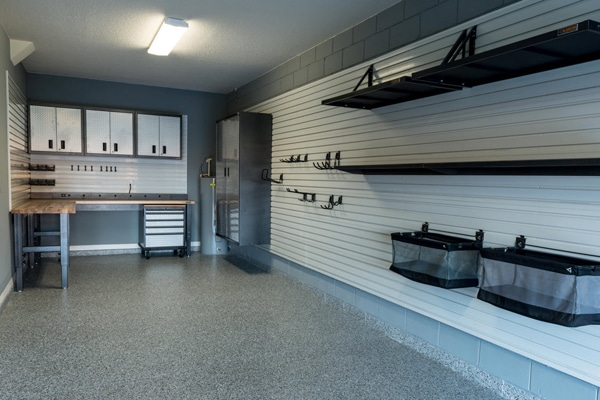
Wall-mounted shelving, either fixed or adjustable, is great for keeping items off the floor and in reach. We’ve reviewed some of the best garage shelving options to help you find what works for your space.
Freestanding or mounted cabinets offer enclosed storage and a clean look. Overhead racks installed into ceiling joists below the attic work well for storing seasonal or lightweight items.
For smaller tools and gear, slatwall or pegboard systems keep things visible and tidy. You can also use vertical racks for bikes, ladders, and other bulky items that take up floor space. Check out our collection of 99 pegboard ideas for creative ways to maximize your wall space.
Overhead Garage Storage Rack
Mounts to ceiling joists for safe seasonal storage without using attic space
Outside the Garage
A dry, stable basement can handle most household storage needs. It offers a more controlled environment than an attic and is safer for long-term use.
For anything sensitive to heat or moisture, like electronics, documents, or furniture, a climate-controlled self-storage unit provides reliable protection throughout the year.
Conclusion
Garage attics can be handy, but only if they’re truly safe. Before loading anything up there, inspect the structure and get a professional opinion. If it’s built to handle storage, great. If not, skip the risk.
There are safer options inside the garage or elsewhere that don’t involve balancing on weak beams. The real goal isn’t just space, it’s safe, usable space. A little planning goes a long way in keeping your stuff protected and your home secure.
Upgrading your garage storage can also contribute to your property’s overall value. Learn more about finished garage upgrades that add value to your home.
Need help sorting it all out? Reach out, we’ll help you make every inch of your garage work better.
Frequently Asked Questions
How much weight can a garage attic typically hold?
Most garage attics with engineered trusses aren’t designed to hold storage weight at all. The W-shaped 2×4 trusses support the roof, not floor loads. Older garages with proper floor joists (2x6s or 2x8s) may handle light storage, usually around 10-20 pounds per square foot, but you should always have a structural engineer assess your specific setup before storing anything.
Can I add flooring to my garage attic myself?
Adding flooring requires professional evaluation first. If your garage has trusses instead of joists, placing flooring on them can cause structural damage. Even if you have joists, you need to confirm they’re properly spaced and rated for the load. DIY installations without engineering approval can lead to serious safety issues and expensive repairs.
What’s the safest way to access a garage attic?
A properly installed, code-compliant pull-down attic ladder is the safest option for most homeowners. Make sure it’s rated for your weight plus whatever you’re carrying. For frequent access or heavier loads, consider a motorized attic lift or permanent stairs if space permits. Avoid using portable ladders or makeshift solutions that increase fall risk.
Why does my garage attic get so hot in summer?
Garage attics can reach temperatures above 150°F because they’re directly under the roof with minimal insulation and poor ventilation. Unlike home attics, garage spaces often lack proper soffit and ridge vents. This extreme heat damages most stored items and creates condensation problems. Improving ventilation helps, but garage attics will never match the stable conditions of climate-controlled storage spaces.
This article contains affiliate links. We may earn a small commission at no extra cost to you.