

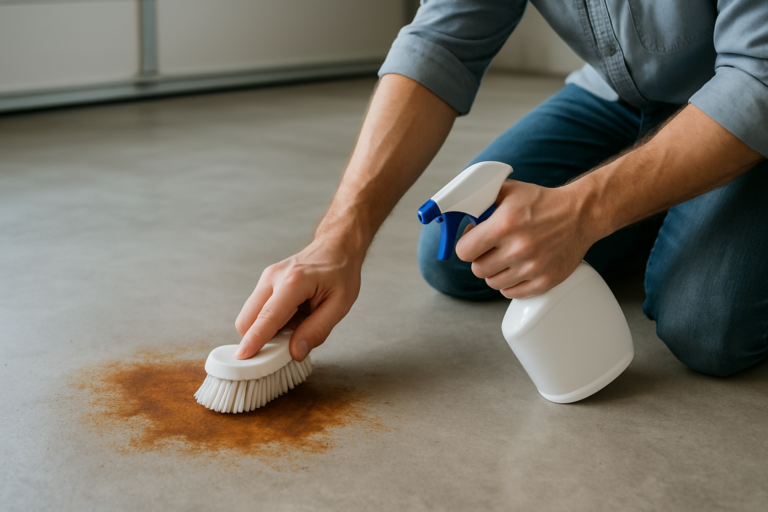
Rust stains on your garage floor are more than just an eyesore. Those reddish-brown marks left behind by metal tools, old car parts, or patio furniture can seem impossible to remove. But here’s the good news: concrete is porous enough to absorb rust, but tough enough to handle aggressive cleaning methods without damage.
Whether you’re dealing with a small spot from a forgotten wrench or large stains from years of stored metal items, you’ve got several proven options to restore your concrete floor. Let’s look at what actually works, from heavy-duty chemical solutions to natural alternatives you probably already have at home.
Chemical Rust Removers That Actually Work
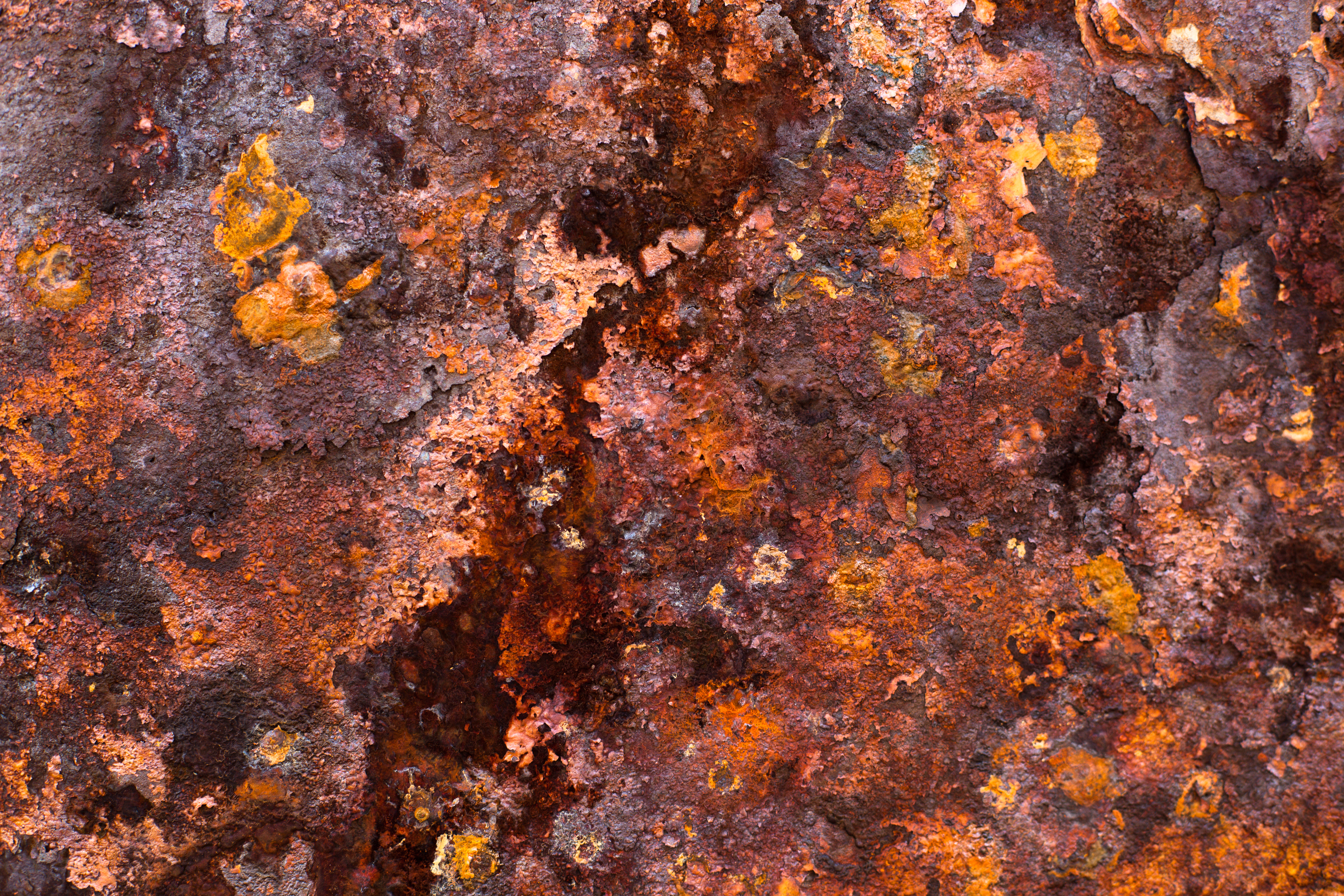
For stubborn rust stains, chemical removers are your fastest route to a clean floor. Products containing oxalic acid or phosphoric acid break down iron oxide (rust) at the molecular level, making them particularly effective on deep-set stains.
Apply the remover directly to the stain, let it sit for 15-30 minutes depending on the severity, then scrub with a stiff-bristled brush. Most formulas require you to rinse thoroughly with water afterward. Wear gloves and work in a ventilated space since these products can be harsh on skin and produce strong fumes.

Concrete Rust Stain Remover
Professional-grade removers designed specifically for concrete deliver the fastest results on heavy staining
For really old or deep stains, you may need to repeat the process twice. Don’t expect miracles on the first application if the rust has been sitting for months or years. The key is patience and proper ventilation during application.
Natural Solutions: Vinegar and Lemon Juice
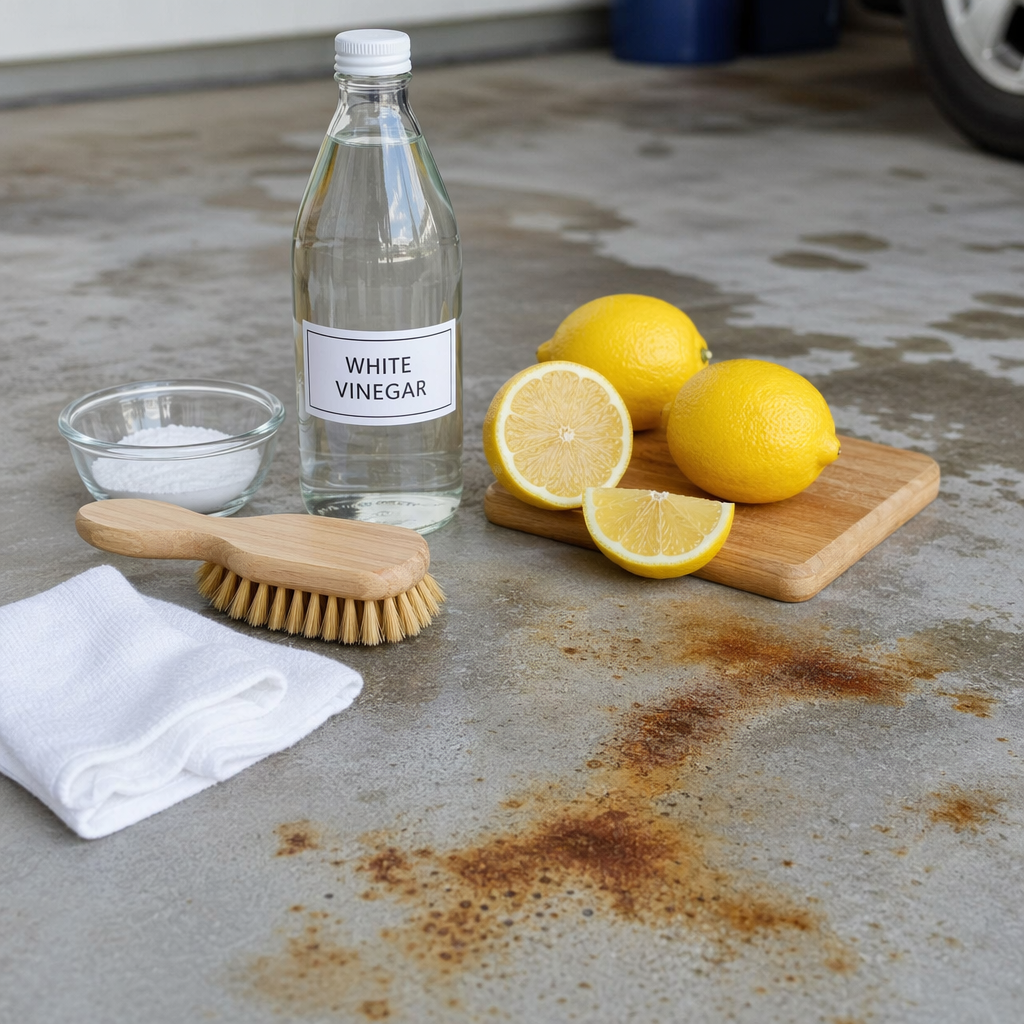
White vinegar contains acetic acid, which can dissolve lighter rust stains without the harsh chemicals. Pour undiluted vinegar directly onto the stain, let it sit for several hours (or overnight for tougher spots), then scrub with a wire brush.
Lemon juice works similarly thanks to its citric acid content. For extra cleaning power, sprinkle baking soda over the rust stain first, then pour lemon juice or vinegar on top. The fizzing reaction helps lift the rust from the concrete pores.
These natural methods work best on fresh stains or light discoloration. They’re safer to use and won’t require special protective equipment beyond basic gloves. The tradeoff is that you’ll need more elbow grease and possibly multiple applications for older stains.
Prevention Strategies to Stop Rust Before It Starts
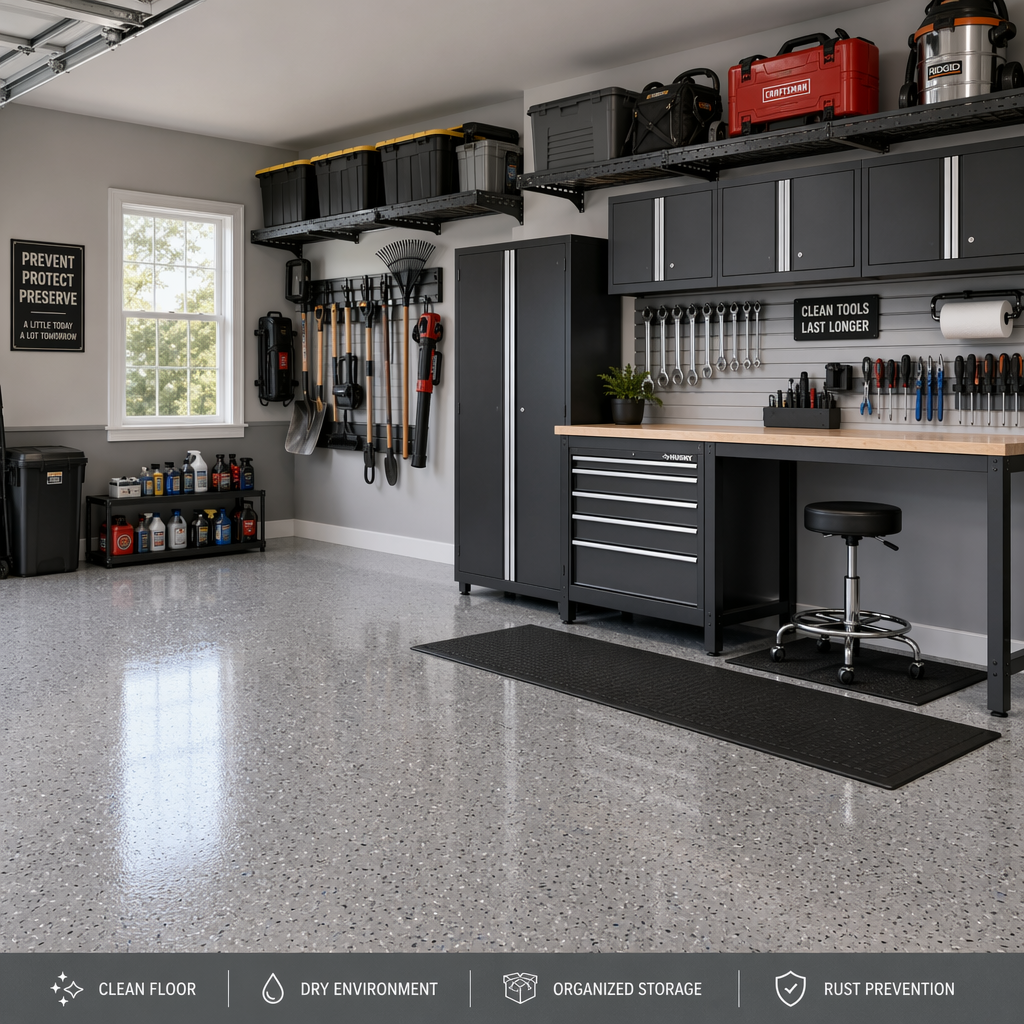
Once you’ve cleaned your garage floor, take steps to prevent future staining. The simplest approach is to keep metal items off the bare concrete whenever possible. Use rubber mats under tool chests, place wooden boards under metal shelving, and store car parts in plastic bins rather than directly on the floor.
Consider applying a concrete sealer to your garage floor. This creates a protective barrier that prevents moisture and rust from penetrating the concrete surface. Epoxy coatings work even better, creating a waterproof layer that’s also easier to clean.
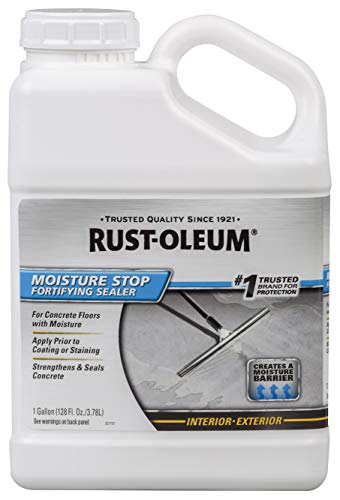
Concrete Floor Sealer
A quality sealer prevents future rust stains and makes cleanup significantly easier
Keep an eye on humidity levels in your garage. High moisture accelerates rust formation on metal objects, which then transfers to your floor. A dehumidifier can help in damp climates or poorly ventilated garages.
For vehicles that leak fluids or have rust-prone undercarriages, use absorbent mats in parking areas. These catch drips before they hit the concrete and can be easily cleaned or replaced.
Frequently Asked Questions
Will muriatic acid remove rust stains from concrete?
Muriatic acid (hydrochloric acid) can remove rust stains, but it’s overkill for most situations and can damage concrete if used improperly. It etches the concrete surface and requires extreme caution due to dangerous fumes and skin hazards. Stick with rust-specific removers that use oxalic or phosphoric acid instead. They’re formulated to be effective on rust without being unnecessarily aggressive toward the concrete itself.
How long does it take for rust to permanently stain concrete?
Fresh rust stains can usually be removed within a few days or weeks without much difficulty. Once rust sits on concrete for several months, especially in a damp environment, it penetrates deeper into the porous surface and becomes significantly harder to remove. You’ll still be able to clean it, but expect to use stronger products and more scrubbing effort. This is why addressing rust stains as soon as you notice them saves time and effort in the long run.
This article contains affiliate links. We may earn a small commission at no extra cost to you.
