

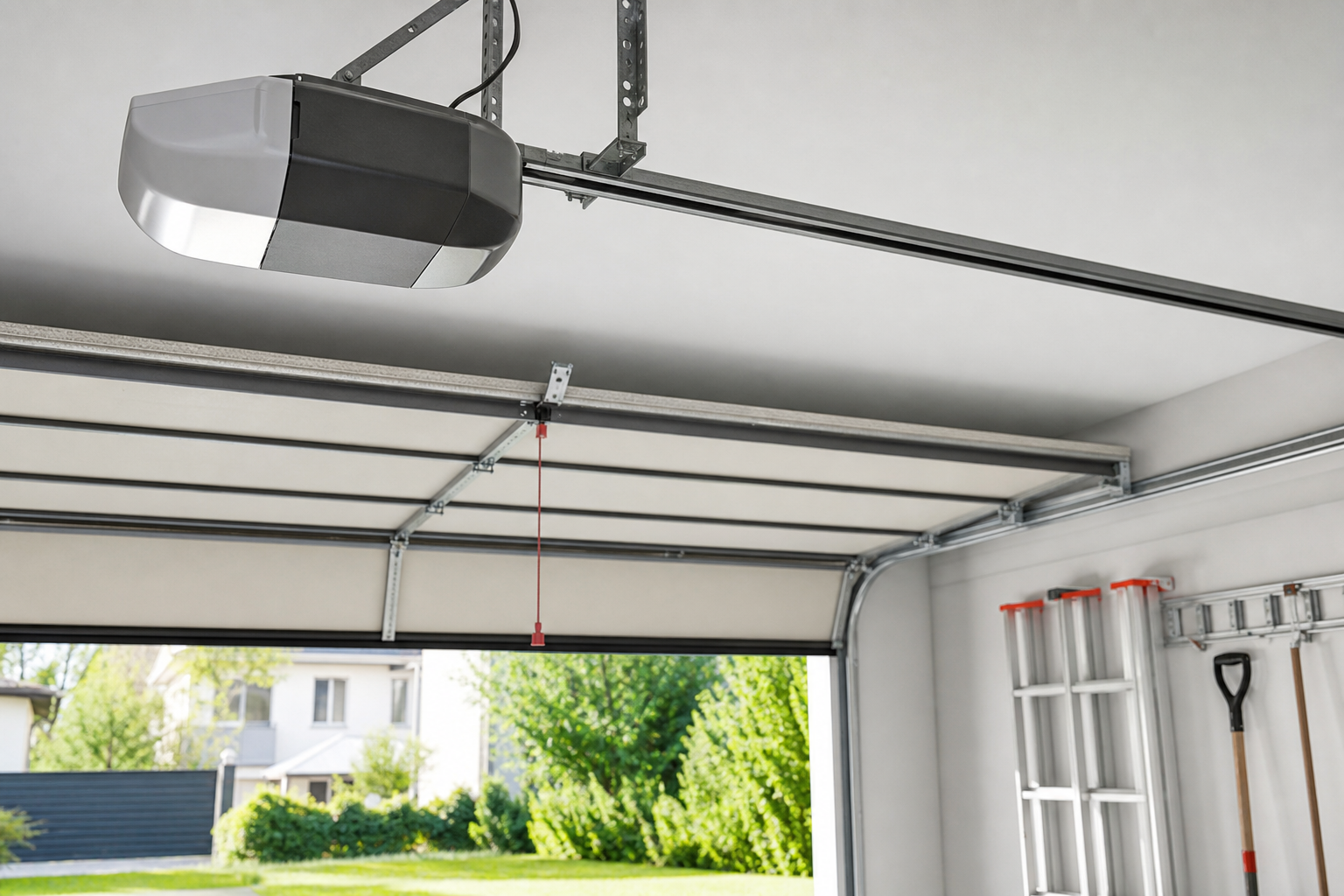
Shopping for EV chargers for home garage installation means sifting through dozens of options that all claim to be the best. Marketing language is unreliable, and Amazon reviews can be misleading with incentivized ratings mixed in.
This guide focuses on specs and features that matter for real-world garage use. Every recommendation is based on performance, durability, and value, not advertising budgets.
Understanding the Basics
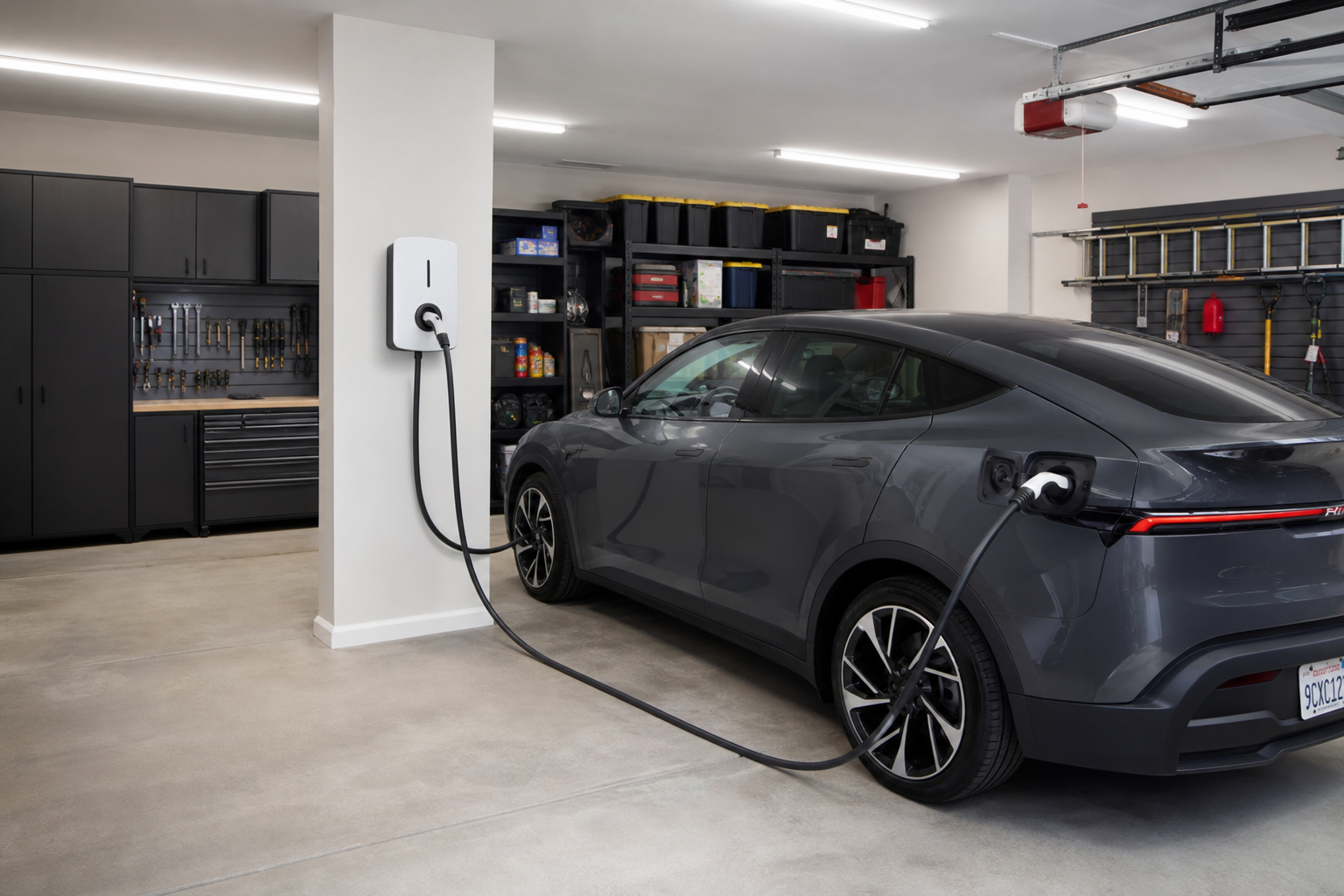
Level 2 EV chargers operate on 240 volts, delivering 16 to 48 amps. A 32-amp charger adds about 25 miles of range per hour; a 48-amp unit reaches around 37 miles per hour. For most commuters driving 30 to 50 daily miles, a 32-amp charger handles overnight charging with hours to spare.
Plug-in chargers (NEMA 14-50 outlet) are easy to move or replace. Hardwired models mount cleaner and are more permanent but need an electrician for changes. Choose based on whether you value portability or a streamlined look.
Cable length matters. Most chargers include 18 to 25 feet. Measure from your planned mount point to the vehicle’s charge port in its normal parking position, then add a few feet for comfortable reach without floor draping.
Top Brand Options
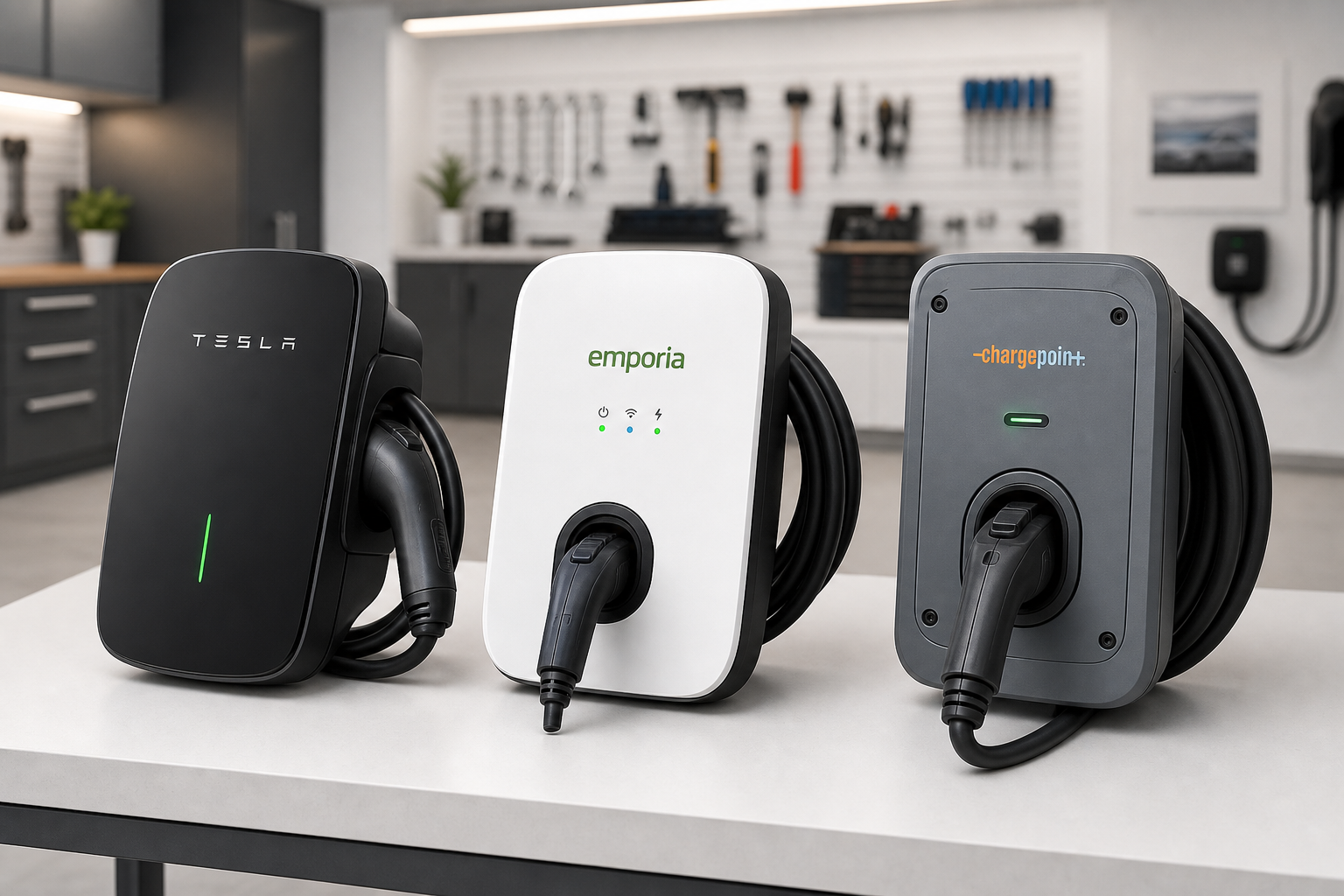
ChargePoint
Level 2 chargers from ChargePoint offer reliable options with smart features that justify their premium positioning. Their app scheduling and energy tracking save money through off-peak charging.
Getting this right requires matching your approach to actual conditions rather than following a generic formula. Climate, surface condition, and usage patterns all influence the best path forward.

ChargePoint Home Flex
WiFi-enabled with flexible amperage settings and robust mobile app
Grizzl-E
Grizzl-E offers reliable options in this category without the premium price tag. Look past overall star ratings and focus on detailed reviews discussing long-term durability rather than just first impressions.
If this is your first project of this type, budget 50% more time than guides suggest. The learning curve is real, and careful work produces better results than rushing to meet an estimated timeline.

Grizzl-E Classic
Budget-friendly option with excellent build quality and weather resistance
Wallbox and JuiceBox
Wallbox and JuiceBox options provide middle-ground solutions with decent smart features. Understanding the specifics of your situation helps you choose the right approach. Your garage’s age, construction type, and local climate all influence what works best and what to avoid.
Keep the workspace organized throughout. Debris and clutter cause errors and safety issues. Clear tools and waste between major steps rather than letting mess accumulate to the end.
Key Specifications
Amperage and Charge Speed
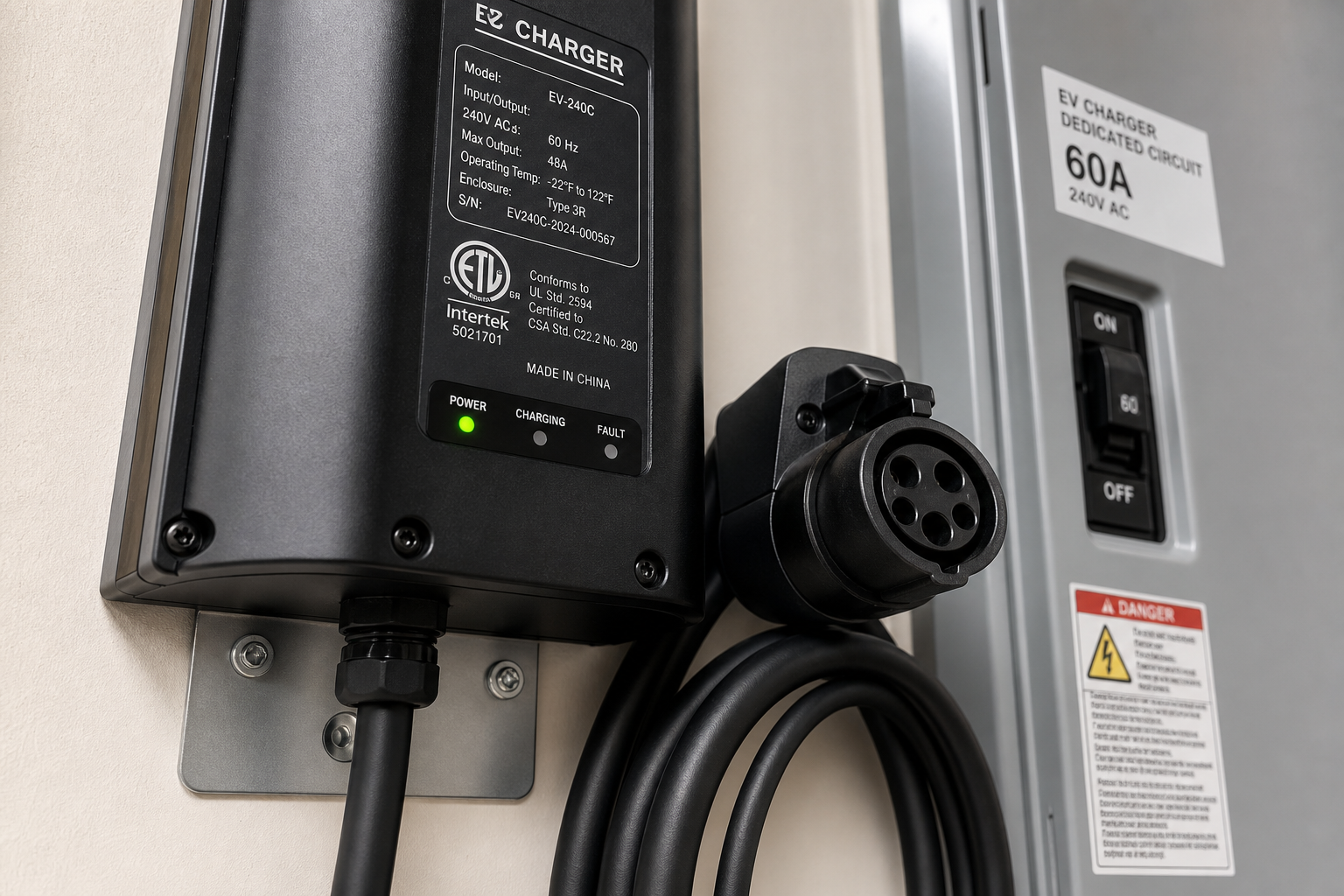
Amperage (32A vs 48A) directly affects charge speed by vehicle type. The details here make the difference between a result that lasts and one that needs redoing within a year. Take the time to assess your conditions before committing to a method or product.
Work in small, manageable sections for better quality control. For electrical installations, that means completing one circuit fully before starting the next. Rushing large projects creates inconsistencies and errors.
Expect at least one surprise during the project. Hidden moisture, non-standard dimensions, or outdated wiring are common discoveries. Having backup materials and a flexible timeline reduces the stress when they appear.
Installation Options
Plug-in (NEMA 14-50) and cable length considerations matter more than most realize. Getting this right requires matching your approach to actual conditions rather than following a generic formula. Climate, surface condition, and usage patterns all influence the best path forward.
Follow manufacturer instructions exactly, even when online tutorials suggest shortcuts. Formulations differ between brands; what works for one product can cause failure with another. If the data sheet says specific electrical requirements at certain temperatures, those numbers aren’t suggestions.
Factor in maintenance when choosing your approach. The lowest-maintenance option isn’t always cheapest initially, but it usually wins over a 5 to 10-year window when you include touch-ups, repairs, and replacements. For complete installation guidance, check our garage EV charging station installation guide.
Smart Features
App features and Energy Star rebate eligibility can save significant money. This is an area where cutting corners comes back to haunt you. Invest the effort upfront and you’ll save significant time and money over the next several years of use.
Start with a small test area if you’re uncertain. A basic charger in an inconspicuous spot lets you evaluate performance and workability without committing to the full smart home integration. Troubleshooting a simple setup is far easier than redoing everything.
Wear appropriate protection throughout: safety glasses, gloves, respirator when working with electrical components. Ventilate when using adhesives or solvents for mounting. These aren’t optional precautions.
Additional Considerations
Smart charger features (WiFi, app scheduling, energy tracking) save money through off-peak charging. If your utility has time-of-use pricing, overnight rates can cut charging costs 30 to 50% versus daytime power.
240V circuits (for welders, compressors, EV chargers) use thicker wire (10 AWG for 30A, 6 AWG for 50A) and double-pole breakers. Installation typically requires a permit and licensed electrician unless you have substantial electrical experience.
Proper electrical setup extends beyond just the charger installation. If you’re planning other garage improvements, consider how electrical work fits into your overall vision, whether that’s creating a garage workshop or adding workbench lighting.
What to Avoid
Knowing what to skip prevents expensive mistakes:
- Suspiciously cheap deals from unauthorized sellers. Counterfeit products are a real issue on major platforms.
- “Universal” products claiming to work everywhere. Specialized products consistently outperform generalists.
- Products with vague specs or missing data sheets. If a manufacturer won’t publish details, that’s a red flag.
Frequently Asked Questions
Do I need a permit for garage electrical work?
Most areas require permits for new circuits, panel upgrades, and 240V installs. Check with your building department. Unpermitted work creates problems when selling.
Can I install an EV charger myself?
Plug-in models with NEMA 14-50 outlets are DIY-feasible if you have electrical experience. Hardwired installations typically need an electrician and permit for safety and code compliance.
Do I need a 50-amp circuit for an EV charger?
A 32-amp charger on a 40-amp circuit provides about 25 miles of range per hour. Plenty for most commuters. 48-amp requires heavier wiring but charges faster if you need maximum speed.
Why does my GFCI keep tripping?
Common causes: overloaded circuit, moisture on the outlet, cold temps affecting electronics, or ground faults in connected equipment. Isolate devices one at a time to find the trigger.
This article contains affiliate links. We may earn a small commission at no extra cost to you.
