

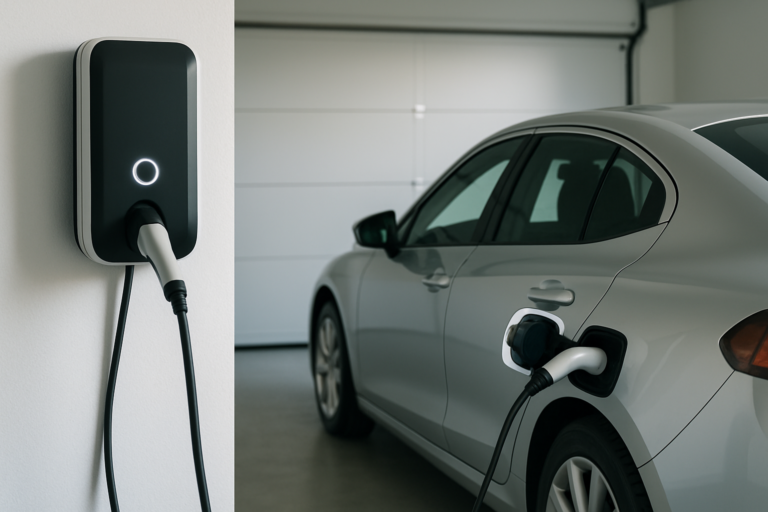
Installing an EV charging station in your garage isn’t as complicated as it sounds, but it does require some planning and probably an electrician. With more EVs on the road in 2026 and battery ranges getting longer, having a dedicated Level 2 charger at home is becoming standard. You’ll charge faster than with a standard outlet and wake up to a full battery every morning.
This guide walks you through everything you need to know, from checking your electrical panel to picking the right charger and navigating permits. Let’s get your garage EV-ready.
Understanding Your Electrical Requirements
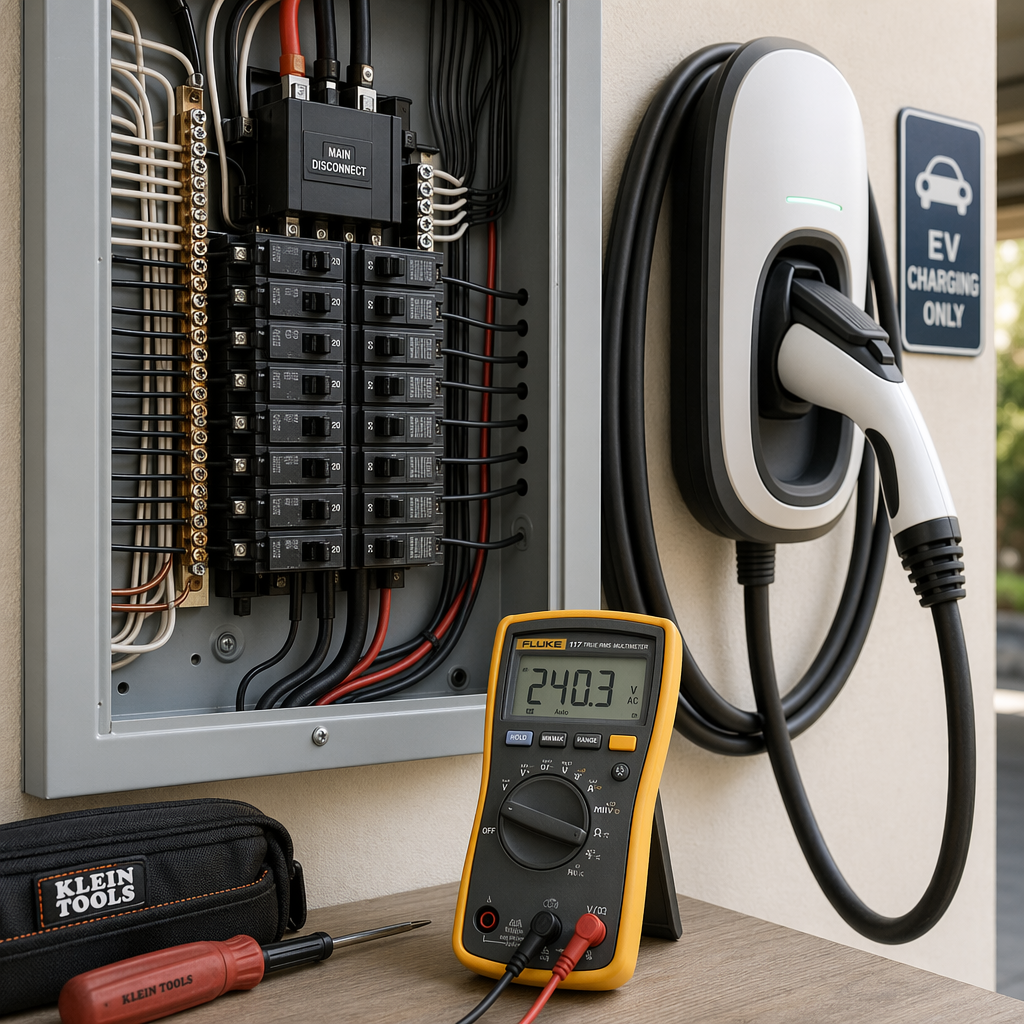
Most Level 2 EV chargers need a 240-volt circuit, similar to what powers your electric dryer. The amperage typically ranges from 30 to 50 amps, with 40-amp circuits being the sweet spot for most residential installations. A 40-amp circuit delivers about 9.6 kW of power, which can add roughly 25-30 miles of range per hour of charging.
Before you buy anything, check your electrical panel. You’ll need available space for a double-pole breaker and enough capacity to handle the additional load. Most modern homes have 200-amp service, which usually provides enough headroom. Older homes with 100-amp service might need an upgrade, especially if you’re running central air, electric heat, or other major appliances.
Measure the distance from your panel to where you’ll mount the charger. Longer runs mean thicker wire and higher installation costs. Keeping the charger within 50 feet of your panel keeps things simpler and more affordable.
Choosing the Right Level 2 Charger
Not all Level 2 chargers are created equal. You’ll want to match the charger’s amperage to your vehicle’s onboard charger capacity. Most EVs can accept between 7.2 kW and 11.5 kW, though some newer models handle up to 19.2 kW.
The ChargePoint Home Flex remains a popular choice because it’s adjustable from 16 to 50 amps and works with nearly every EV. It includes WiFi connectivity for scheduling charges during off-peak hours when electricity rates are lower.

ChargePoint Home Flex EV Charger
Adjustable amperage and excellent smart features make this a top pick for most garage installations
For budget-conscious buyers, the Grizzl-E Classic offers reliable performance without the smart features. It’s hardwired, weatherproof, and built like a tank.
Smart features worth considering include scheduling, energy monitoring, and integration with home automation systems. The 2026 models increasingly support vehicle-to-home (V2H) capabilities, letting you use your EV battery as backup power during outages if your vehicle supports it.
Installation Process and Permit Requirements

Unless you’re a licensed electrician, hire a professional for this job. A typical installation takes 3-5 hours and includes running the circuit, installing the breaker, mounting the charger, and testing everything. Expect to pay between competitively priced and competitively priced for labor, depending on your location and the complexity of the run.
Most jurisdictions require electrical permits for EV charger installations. Your electrician typically handles this, but budget an extra competitively priced-200 for permit fees. The inspector will verify proper circuit sizing, ground fault protection, and that everything meets the 2026 National Electrical Code standards.
As of 2026, federal tax credits cover 30% of installation costs up to competitively priced for qualified charging equipment. Many states and utilities offer additional rebates. Check the Database of State Incentives for Renewables & Efficiency for your area’s current programs.

Tesla Wall Connector
Best option for Tesla owners with its sleek design and seamless vehicle integration
Panel Upgrades and Load Management
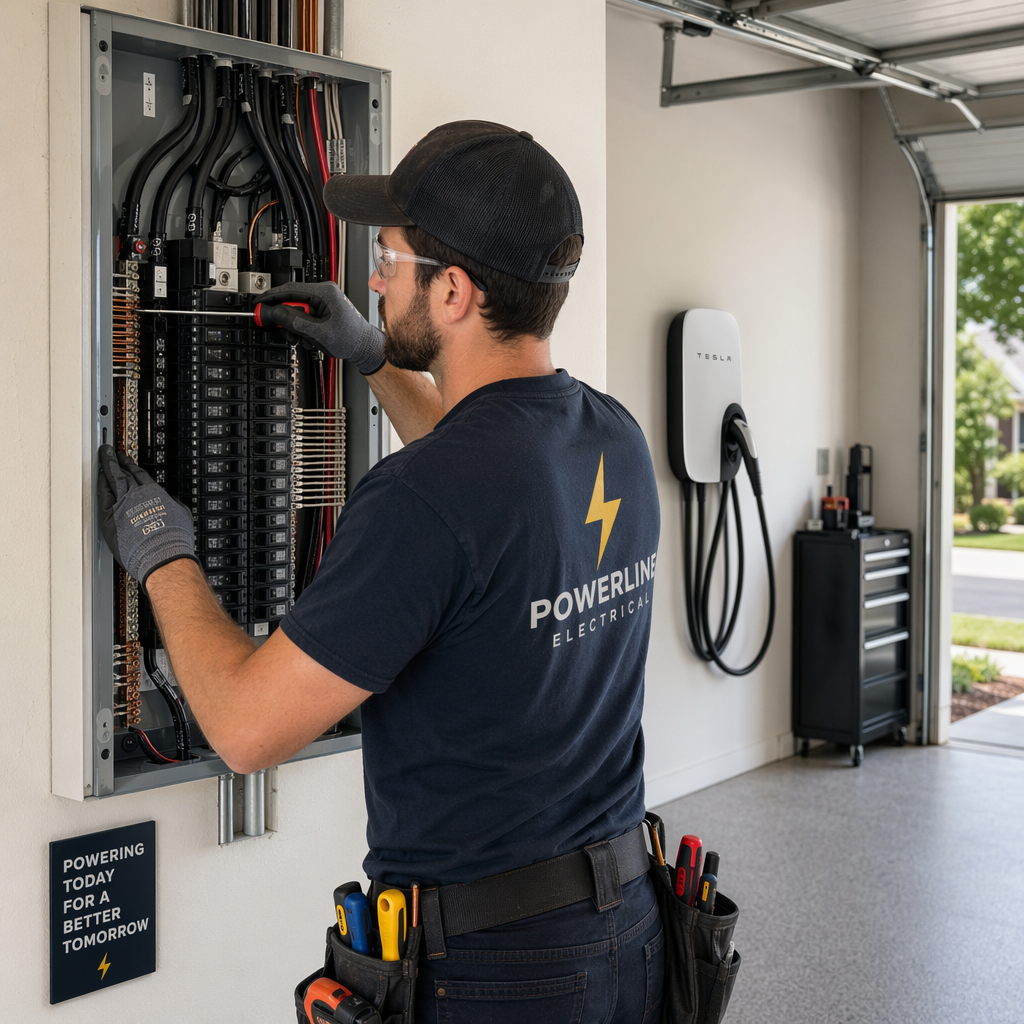
If your panel doesn’t have space or capacity for an EV charger, you have options. A panel upgrade to 200-amp service competitively priced-4,000 but future-proofs your home for additional electric appliances.
Alternatively, consider smart load management systems that automatically adjust charging speed based on your home’s current electrical demand. The Wallbox Pulsar Plus includes this feature, preventing circuit overloads without requiring a panel upgrade.
Some utilities now offer managed charging programs that provide discounted electricity rates in exchange for allowing them to slightly reduce charging speed during peak demand periods. You’ll still wake up to a full charge, but you’ll save money doing it.
Frequently Asked Questions
Can I install an EV charger in a garage with limited space?
Absolutely. Wall-mounted chargers take up minimal space, typically about the size of a small briefcase. Mount it near where you park with the charging port facing the charger. Cable lengths range from 14 to 25 feet, giving you flexibility in placement. Some models like the JuiceBox 40 feature cable management hooks to keep things tidy when not in use.
Do I need a dedicated circuit for each EV if I have two electric vehicles?
It depends on your charging needs and electrical capacity. Installing two separate chargers on individual circuits gives maximum flexibility but costs more upfront. Another option is a power-sharing setup where two chargers split available power automatically. You can also install a single charger and alternate vehicles each night, which works fine for most households since EVs typically need charging only 2-3 times per week. If you’re working with a standard garage size, you’ll want to plan your charger placement carefully to accommodate both vehicles comfortably. Similar to installing a garage sink, proper planning for ceiling height and routing can make installation easier, and keeping your vehicle in the garage protects both your car and charging equipment.
This article contains affiliate links. We may earn a small commission at no extra cost to you.
