

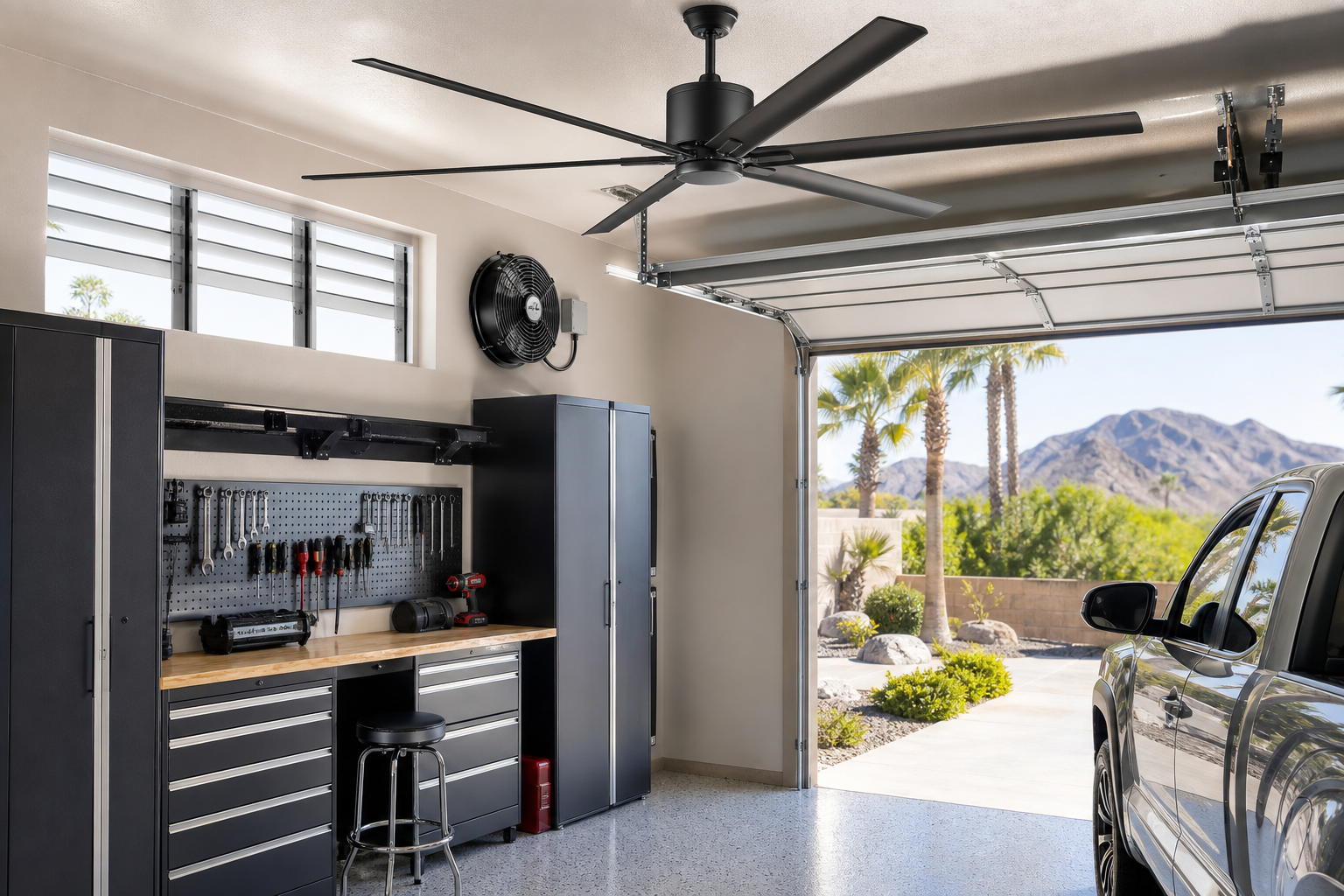
Shopping for garage fans and ventilation options for hot climates means sifting through dozens of options that all claim to be best. Marketing language is unreliable, and Amazon reviews can be misleading with incentivized ratings mixed in.
This guide focuses on specs and features that matter for real-world garage use. Every recommendation is based on performance, durability, and value, not advertising budgets.
Understanding the Basics

Most garages have only passive ventilation (air leaking around the door), which is inadequate for workspace use. A single wall-mounted exhaust fan creates deliberate airflow that removes heat, moisture, and fumes. The improvement is immediate and dramatic.
Mount an exhaust fan high on the wall opposite the garage door for heat removal. Hot air collects at the ceiling, and the fan pulls it out while cooler air enters through the open door or a low intake vent. A 1,400 CFM fan exchanges air in a two-car garage every 3 to 4 minutes.
Other air entries include gaps around pipes and wires, sill plate-to-foundation spaces, unscreened vents, and deteriorated weatherstripping on side doors. Physical exclusion beats traps because it prevents entry entirely. For detailed guidance on sealing these gaps, check our comprehensive garage door weather stripping replacement guide.
Wall-Mounted Fans and Exhaust Systems
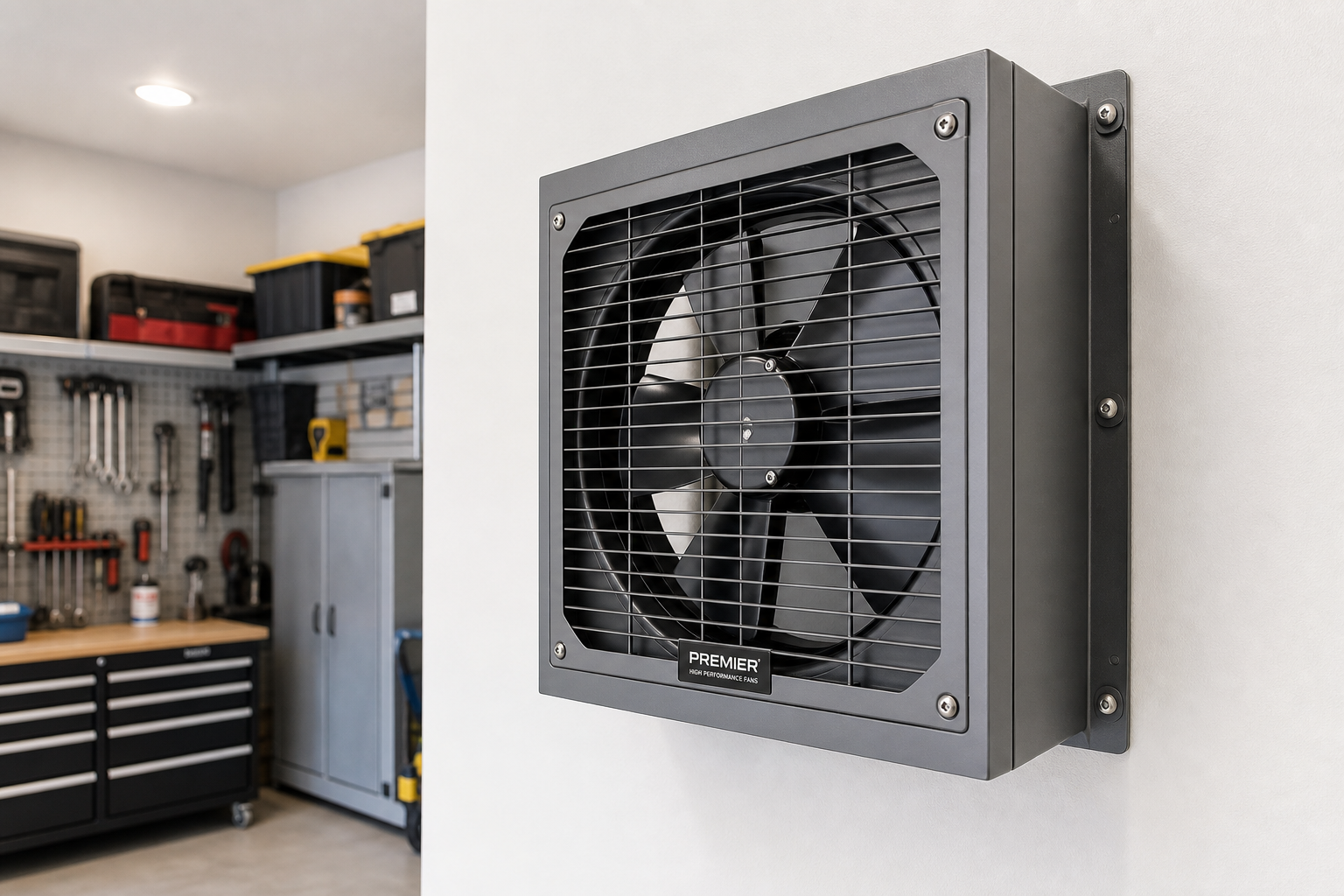
Wall-mounted fans, exhaust fans, and through-wall vents work best for garages that bake in summer. The details here make the difference between a result that lasts and one that needs redoing within a year. Take the time to assess your conditions before committing to a method or product.
Check specific requirements before purchasing materials. Measure the area, note unusual conditions (extreme temps, high humidity, uneven surfaces), and read product specs carefully. A mismatch between your conditions and the product’s rated range is the most common cause of unexpected failures.
If this is your first project of this type, budget 50% more time than guides suggest. The learning curve is real, and careful work produces better results than rushing to meet an estimated timeline.

High-Velocity Floor Fan
Excellent supplemental cooling while permanent ventilation is being installed
A quality high-velocity floor fan makes a noticeable difference in results. Check current options and reviews on Amazon to find the right match for your project and budget. For additional ventilation options beyond wall fans, our guide on installing garage roof vents provides excellent supplementary airflow solutions.
Noise and Power Considerations
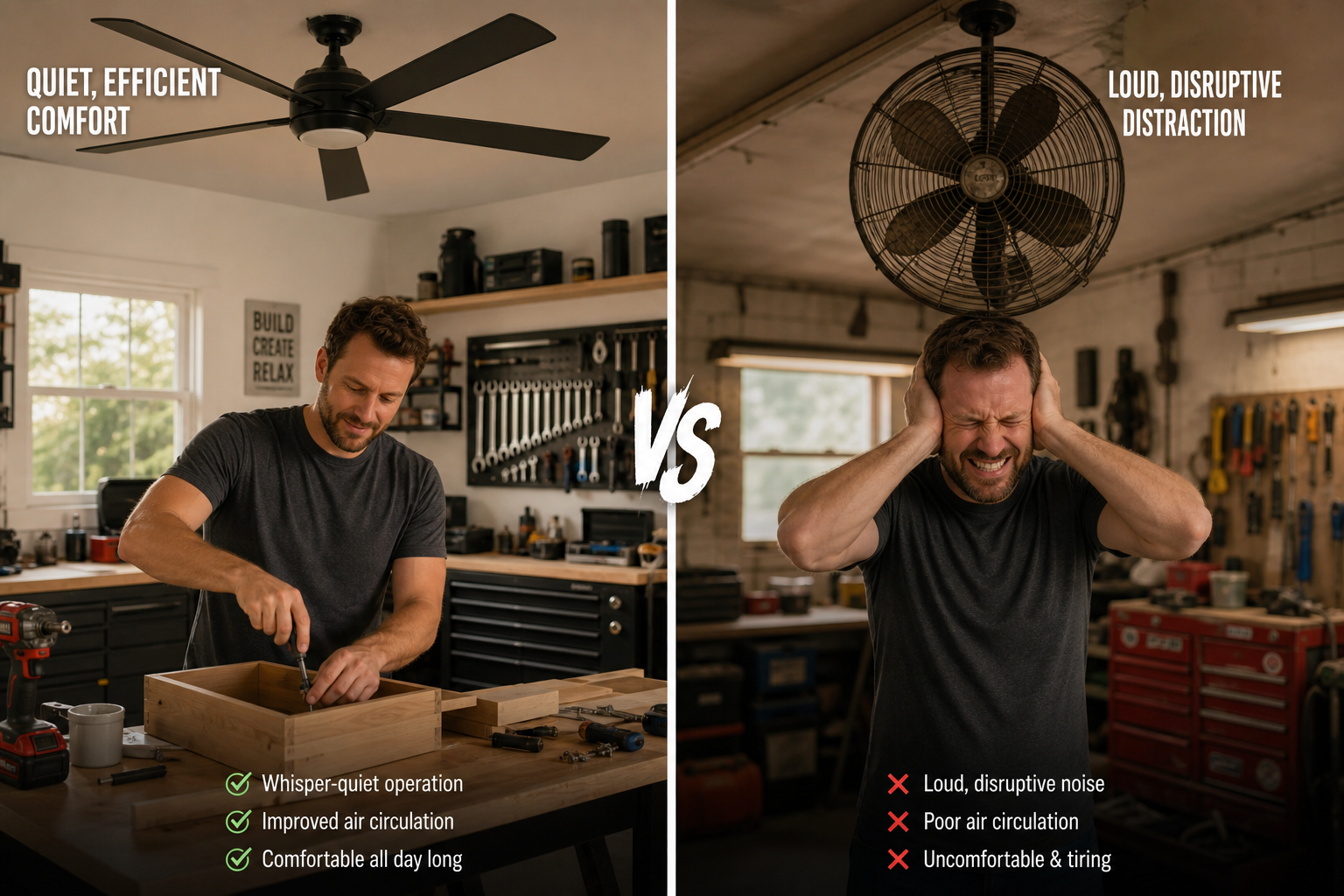
Noise and power considerations matter for attached garages near living spaces. Getting this right requires matching your approach to actual conditions rather than following a generic formula. Climate, surface condition, and usage patterns all influence the best path forward.
Measure twice and commit once. A tape measure and five minutes of verification prevent the mistakes that take hours to fix. This applies doubly to cuts, holes, and any irreversible step.
Wear appropriate protection throughout: safety glasses, gloves, respirator when working with chemicals or dust. Ventilate when using adhesives, paints, or solvents. These aren’t optional precautions.

Garage Wall Exhaust Fan
Well-reviewed by garage owners for reliable performance and reasonable noise levels
Additional Considerations
Steel wool packed into openings and secured with expanding foam stops rodents (foam alone gets chewed through). Copper mesh is even better. For larger gaps, 1/4-inch galvanized hardware cloth screwed in place creates a permanent, chew-proof barrier.
The garage door bottom seal is the most common pest entry point. A 1/4-inch gap admits mice, insects, and spiders. Inspect the entire seal length for cracks, compressed areas, or hardened rubber that no longer contacts the ground fully. Our DIY garage bug control guide covers comprehensive pest prevention strategies.
Practical Planning Tips
Set a realistic timeline and budget before buying anything. Most garage projects take 50% longer and cost 20% more than initial estimates, especially for first-timers. Build that buffer into your plan so unexpected discoveries don’t derail the entire project or blow the budget.
Invest in quality tools for tasks you’ll repeat. A reliable stud finder, a good level, a quality tape measure, and proper safety gear (eye protection, hearing protection, respirator) make every project easier and safer. These tools pay for themselves across multiple projects over the years.
Research local building codes and permit requirements for your specific project. Electrical work, structural modifications, and HVAC installations often require permits and inspections. Working without required permits can create liability issues, insurance complications, and problems when selling the home.
What to Avoid
Knowing what to skip prevents expensive mistakes:
- Suspiciously cheap deals from unauthorized sellers. Counterfeit products are a real issue on major platforms.
- “Universal” products claiming to work everywhere. Specialized products consistently outperform generalists.
- Unknown brands at rock-bottom prices. Established brands charge more for proven materials and real warranties.
If you’re shopping for supplies, a garage wall exhaust fan is a reliable choice that’s well-reviewed by garage owners. Browse the latest selection on Amazon for current pricing and availability. For more specific recommendations, check our detailed review of the best garage wall-mount fans.
Frequently Asked Questions
What’s the most impactful garage insulation upgrade?
The garage door. An insulation kit alone can make a 10 to 15-degree temperature difference. Then seal air gaps around the frame for the next biggest improvement.
Will insulating my garage lower energy bills?
If it shares a wall with heated living space, yes. The insulated garage buffers heat loss from adjacent rooms. Most noticeable in cold-climate attached garages.
Can I heat an uninsulated garage?
A heater will run nonstop without reaching comfort. Even basic insulation (door kit plus air sealing) makes any heater dramatically more efficient.
How do I know if my garage needs additional ventilation?
If your garage feels significantly hotter than outside temperatures, has moisture buildup, or retains strong odors from vehicles or stored chemicals, you need active ventilation. A simple test: if you can’t comfortably work in your garage for 30 minutes during hot weather, ventilation will help.
This article contains affiliate links. We may earn a small commission at no extra cost to you.
