

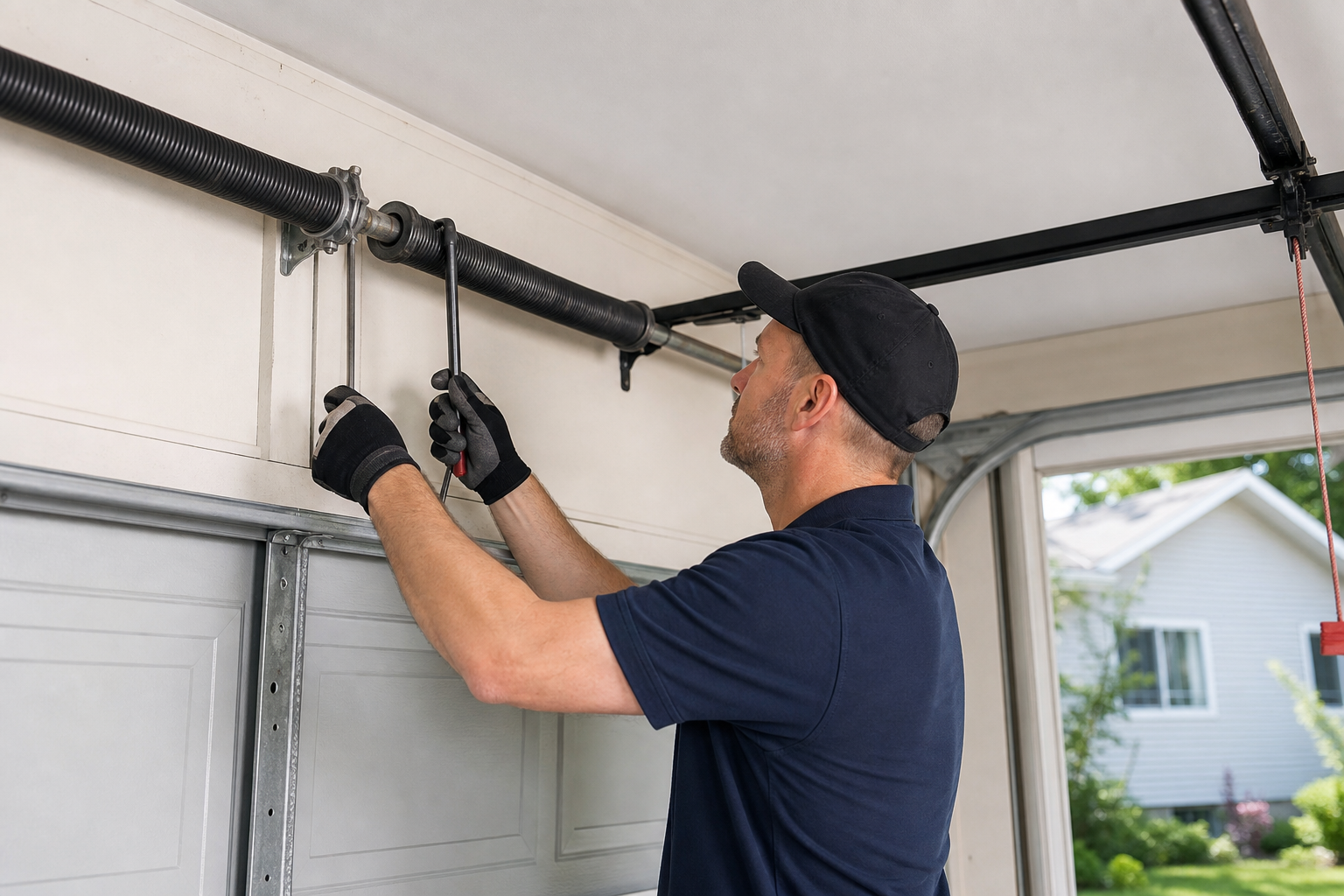
Dealing with a situation where garage door balance is off is one of those garage frustrations that catches you off guard. Everything seemed fine until one day you notice something isn’t right. The reassuring truth is that these issues almost always trace back to identifiable causes with practical solutions.
This guide covers the most common culprits in diagnostic order, starting with the simplest checks. Most readers find their answer within the first few sections without needing a service call.
Understanding the Basics
A garage door system includes panels, tracks, rollers, springs (torsion or extension), cables, hinges, weatherstripping, and the opener with its motor, drive mechanism, and safety sensors. When symptoms appear, the root cause isn’t always in the most obvious component.
Safety sensors mount about 6 inches above floor level on both sides of the door opening. They send an infrared beam across the gap. If anything blocks or misaligns that beam, the door won’t close. Sensor issues are the number-one cause of “door won’t close” complaints and are almost always a quick fix. For detailed guidance on sensor alignment, check out our garage door safety sensor alignment guide.
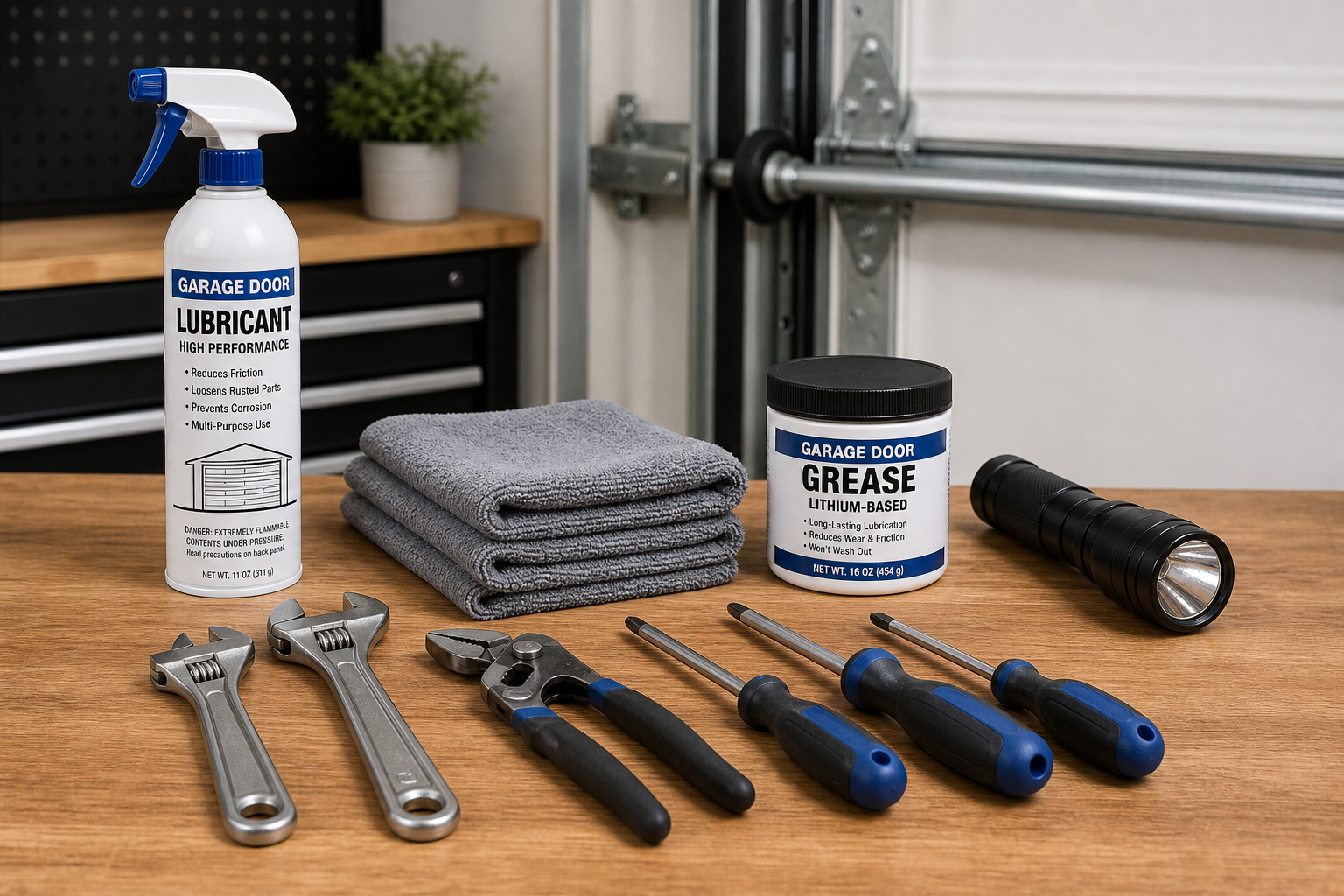
Lubrication is the cheapest, most effective maintenance. Apply white lithium grease or silicone-based lubricant to hinges, rollers (unless sealed nylon), spring coils, and track contact points every 6 months. Skip WD-40 for this; it’s a solvent that displaces moisture but doesn’t provide lasting lubrication.
The Manual Balance Test
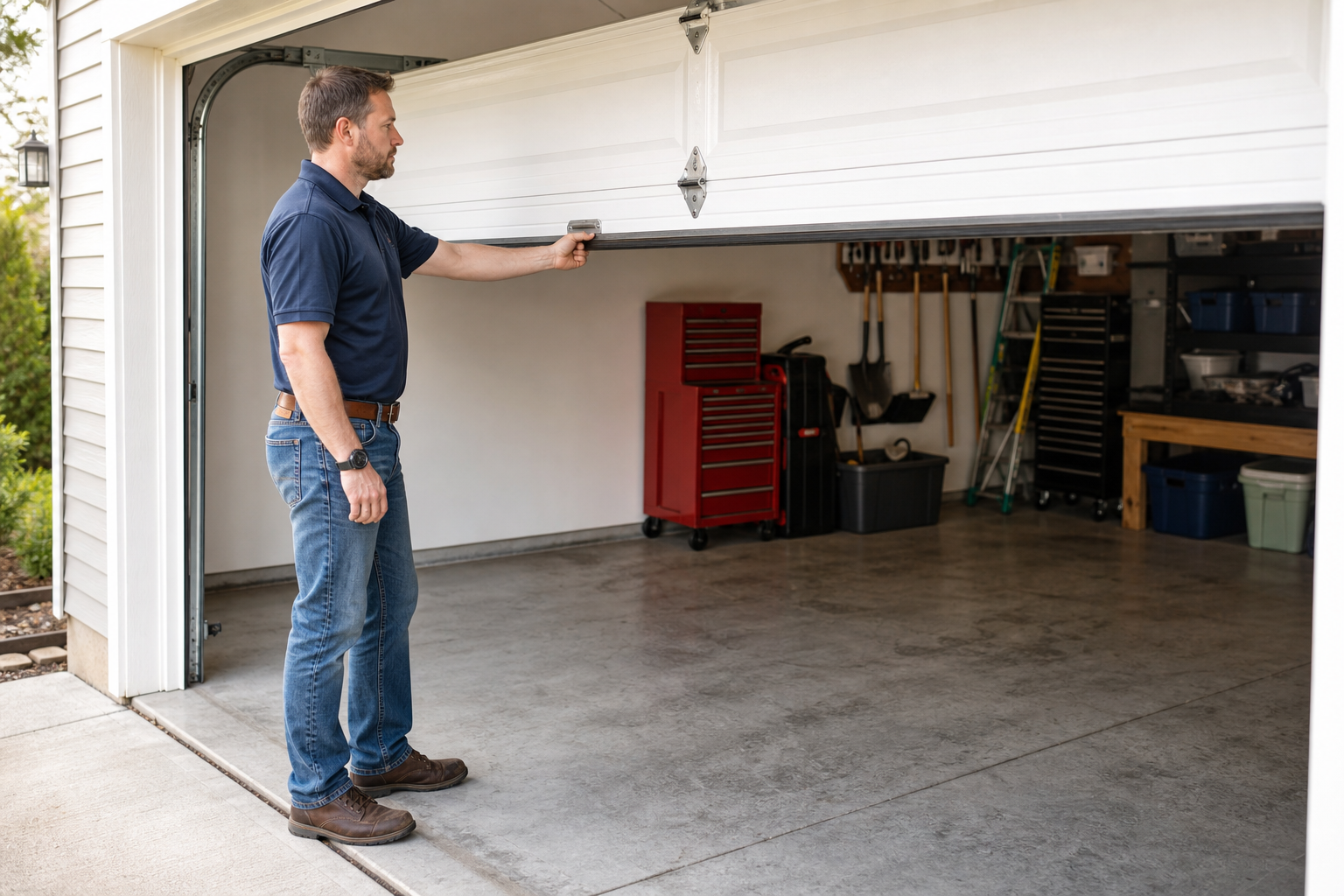
Start troubleshooting by disconnecting the opener (pull the red emergency release cord) and testing the door by hand. If it moves smoothly and holds at the halfway point, the mechanical system is fine and the problem is in the opener or electronics. If the door is heavy or drifts, suspect the springs.
This manual balance test is your diagnostic starting point. The details here make the difference between a result that lasts and one that needs redoing within a year. Take the time to assess your conditions before committing to a method or product.
Keep the workspace organized throughout. Debris and clutter cause errors and safety issues. Clear tools and waste between major steps rather than letting mess accumulate to the end.
Consider how this change fits the larger garage picture. Improvements in one area can shift dynamics elsewhere. Better insulation changes humidity patterns. Heavy storage affects the floor underneath. Think about interactions.
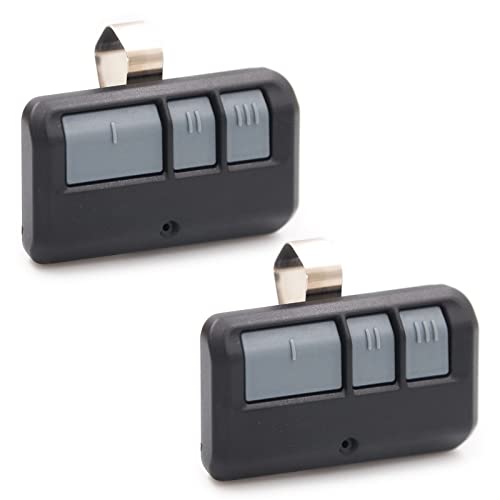
Garage Door Opener
Quality openers prevent many balance issues and reduce wear on door components
What an Unbalanced Door Does to Your System
An unbalanced door puts excessive strain on the opener motor, cables, and tracks over time. This is an area where cutting corners comes back to haunt you. Invest the effort upfront and you’ll save significant time and money over the next several years of use.
The opener motor works harder when the door isn’t properly balanced, leading to premature wear and potential failure. Cables stretch unevenly, causing the door to bind or tilt. Tracks can bend from the extra stress, creating a cascade of problems that require multiple repairs.
If your door is frequently stopping partway through its travel, you might be dealing with related issues covered in our garage door stops halfway guide.
Check specific requirements before purchasing materials. Measure the area, note unusual conditions (extreme temps, high humidity, uneven surfaces), and read product specs carefully. A mismatch between your conditions and the product’s rated range is the most common cause of unexpected failures.
Torsion Spring Safety Warning
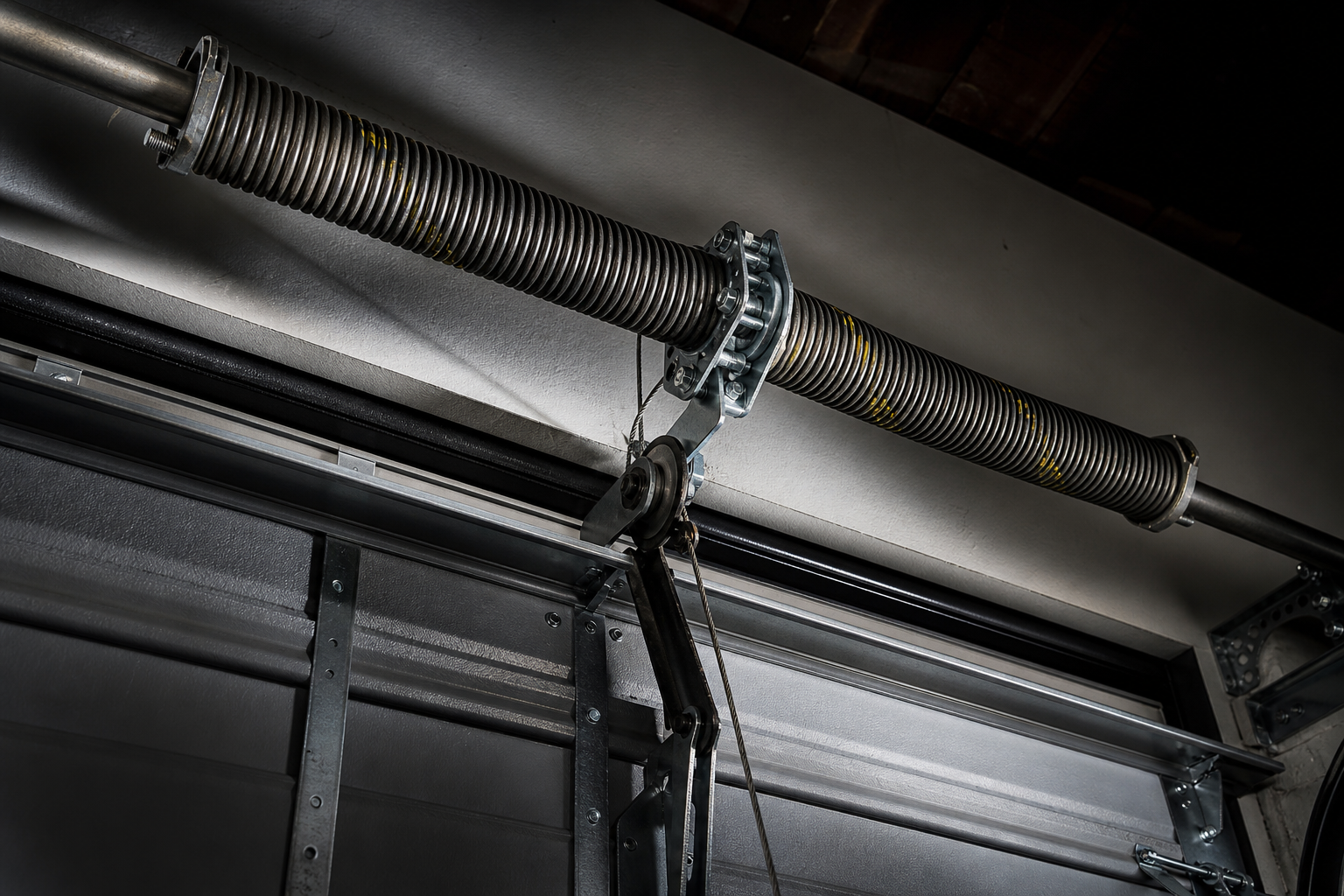
Torsion spring adjustment carries serious safety dangers and should not be a DIY job. These springs store enough energy to cause serious injury or death if they break during adjustment. This repair should always go to a trained technician with proper tools.
Extension springs, while still dangerous, are somewhat less risky for experienced DIYers with proper safety equipment. However, most homeowners should call a professional for any spring work.
Getting this right requires matching your approach to actual conditions rather than following a generic formula. Climate, surface condition, and usage patterns all influence the best path forward.
If you’re dealing with damaged panels rather than spring issues, our garage door panel replacement guide covers that specific repair process.
Maintenance and Prevention Tips
Weight capacity is critical and often misunderstood. Wall systems in studs hold 50 to 75 pounds per linear foot. On drywall alone, that drops to 15 to 25 pounds before failure. Ceiling racks rated for 600 pounds assume even distribution; concentrating weight in one area can cause failure well under the total limit.
Measure twice and commit once. A tape measure and five minutes of verification prevent the mistakes that take hours to fix. This applies doubly to cuts, holes, and any irreversible step.
Factor in maintenance when choosing your approach. The lowest-maintenance option isn’t always cheapest initially, but it usually wins over a 5 to 10-year window when you include touch-ups, repairs, and replacements.
Weather stripping plays a crucial role in door balance by maintaining consistent weight distribution. Our weather stripping replacement guide covers proper installation and maintenance.

Garage Door Weatherstrip
Proper weatherstripping maintains door weight balance and prevents drafts
Practical Planning Tips
Prioritize your projects based on impact and urgency. Safety issues (faulty wiring, CO risk, structural problems) come first. Comfort improvements (insulation, lighting, climate control) come second. Cosmetic upgrades (floor coatings, paint, organization systems) come last. Following this order ensures you’re building each improvement on a solid foundation.
Research local building codes and permit requirements for your specific project. Electrical work, structural modifications, and HVAC installations often require permits and inspections. Working without required permits can create liability issues, insurance complications, and problems when selling the home.
Consider the seasonal timing of your project. Floor coatings apply best in mild weather (50 to 85 degrees). Insulation projects are most motivating (and noticeable) before extreme weather hits. Electrical and plumbing work can happen year-round but should be completed before insulating or finishing walls over the wiring.
When to Call a Professional
DIY covers most of what’s listed above, but some situations need professional help. High-voltage electrical work, garage door spring replacement, structural modifications, and commercial-grade coatings requiring specialized equipment are all worth outsourcing. A botched repair often costs more to fix than hiring the right person from the start.
Get two to three quotes, verify licensing and insurance, and ask for recent references. A reputable contractor explains the process clearly, provides a written estimate, and backs the work with a written warranty.
Wear appropriate protection throughout: safety glasses, gloves, respirator when working with chemicals or dust. Ventilate when using adhesives, paints, or solvents. These aren’t optional precautions.
Additional System Considerations
Modern garage door openers often include force adjustment settings that can help compensate for minor balance issues. Check our garage door opener force settings guide for proper adjustment techniques.
If you’re looking to upgrade your entire system, consider belt-drive garage door openers, which tend to last longer than chain-drive models and operate more quietly.
For homes in areas with frequent power outages, a garage door opener with battery backup ensures you won’t be trapped by a power failure.
Frequently Asked Questions
Should I replace garage door springs myself?
Torsion springs store enough energy to cause serious injury or death. This repair should always go to a trained technician with proper tools. Extension springs are slightly less dangerous but still risky for most homeowners.
How long do garage door openers last?
10 to 15 years with regular maintenance. Belt-drive units tend to outlast chain-drive models. Motors, control boards, and gears typically wear out first.
How do I know if my garage door is properly balanced?
Disconnect the opener and manually lift the door halfway. A properly balanced door should stay in place without drifting up or down. If it moves, the springs likely need adjustment.
What’s better for garage organization: slatwall or pegboard?
Slatwall holds more weight, looks cleaner, and accepts more accessories. Pegboard is cheaper. For heavy workshop tools, slatwall is the better investment.
This article contains affiliate links. We may earn a small commission at no extra cost to you.
