

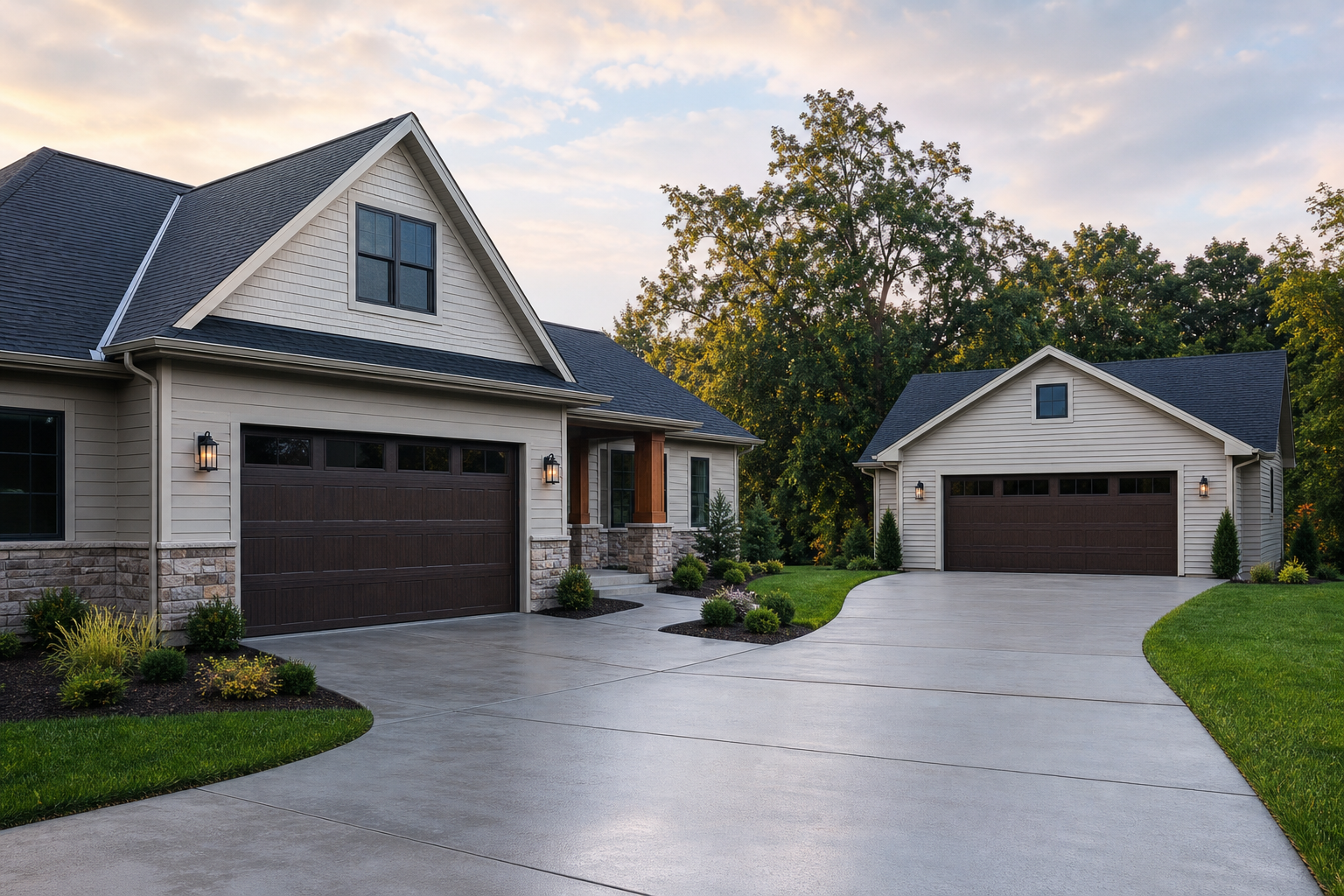
The attached vs. detached garage decision comes up constantly, and both sides have passionate advocates. Marketing claims from each camp are hard to verify without hands-on experience.
This comparison cuts through the noise with a side-by-side look at what actually matters: performance, cost, durability, installation, and maintenance. The right choice for your situation should be clear by the end.
Understanding Attached vs. Detached Garages
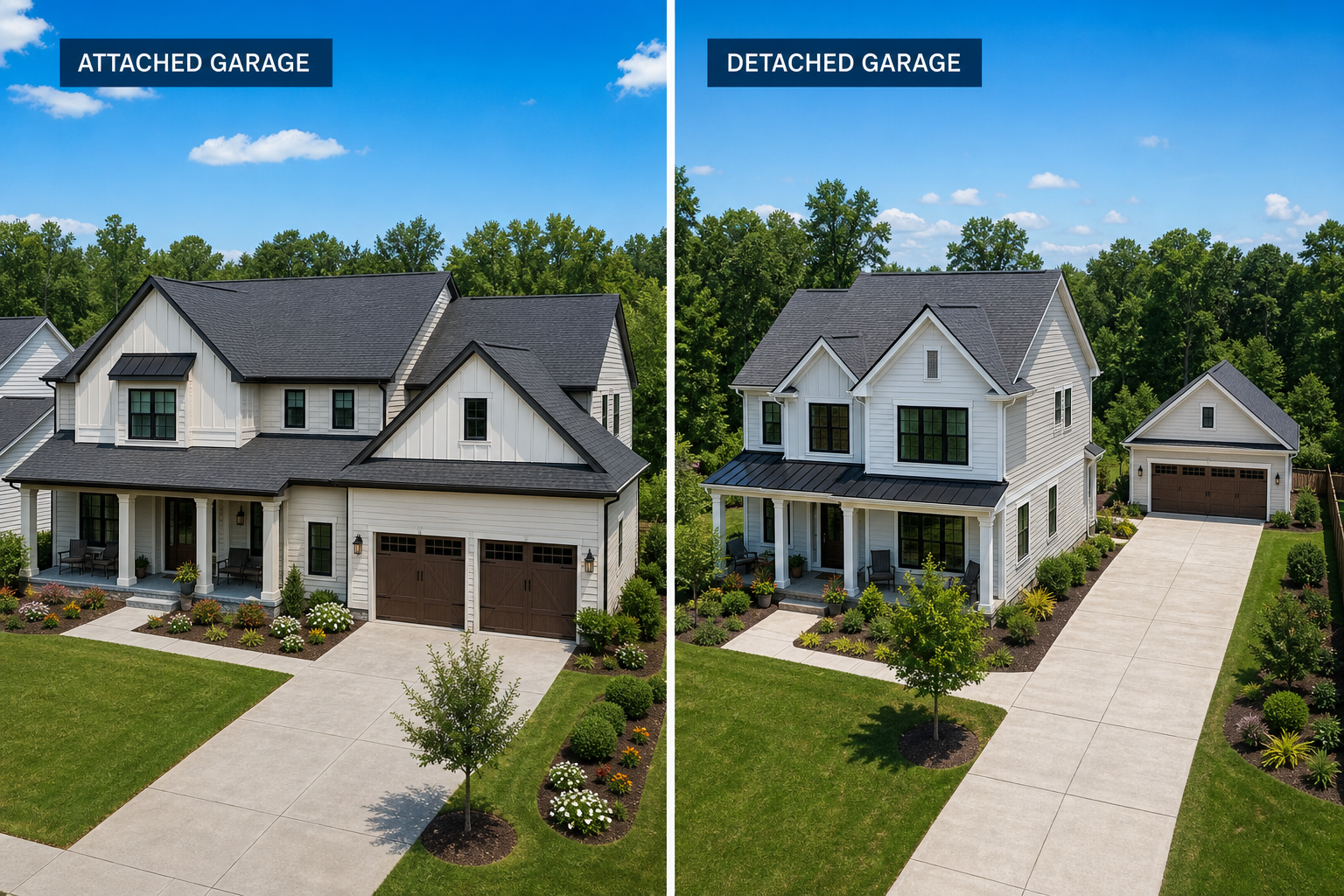
An attached garage shares at least one wall with your home and typically connects directly to the house through a door. A detached garage stands separately on your property with its own foundation and walls.
Both configurations impact energy efficiency and home value differently. The details here make the difference between a result that lasts and one that needs redoing within a year. Take the time to assess your conditions before committing to either option.
Attached Garage Advantages
Convenience and Weather Protection
Direct access to your home means no trudging through rain, snow, or extreme heat. You walk straight from your car into the house without getting wet or dealing with harsh weather.
This convenience becomes especially valuable when carrying groceries, moving furniture, or managing young children. The protected pathway eliminates multiple trips in bad weather.
Security Benefits
Attached garages offer better security for both vehicles and stored items. The shared wall with your home makes break-ins more difficult and risky for potential thieves.
Most garage door smart locks integrate better with home security systems when the garage is attached. Motion sensors and cameras can cover both the garage and entry points more effectively.
Energy Efficiency
An insulated attached garage acts as a buffer zone between outdoor temperatures and your living space. This reduces heating and cooling costs, especially in extreme climates.
The shared wall benefits from your home’s existing insulation and climate control. Even an unheated attached garage stays warmer than outdoor temperatures in winter.

Garage Door Bottom Seal
Essential for preventing drafts and pest entry in attached garages
Attached Garage Disadvantages
Noise and Odor Issues
Garage door openers, car engines, and workshop activities create noise that travels into your living space. Early morning or late-night garage use can disturb sleeping family members.
Vehicle exhaust, paint fumes, lawn mower gas, and other chemical odors can seep into your home through gaps around doors and shared walls. Proper weather stripping helps but doesn’t eliminate the issue entirely.
Fire and Carbon Monoxide Risks
Fire in an attached garage spreads to your home faster than emergency responders can typically arrive. The shared structure creates immediate risk to your living space.
Carbon monoxide from running vehicles poses a serious health threat. Even brief warm-up periods can allow dangerous CO levels to build up and enter your home.
Pest Entry Points
Gaps around pipes and wires, sill plate-to-foundation spaces, unscreened vents, and deteriorated weatherstripping on side doors create pest entry routes. Physical exclusion beats traps because it prevents entry entirely.
The garage door bottom seal is the most common pest entry point. A 1/4-inch gap admits mice, insects, and spiders. Inspect the entire seal length for cracks, compressed areas, or hardened rubber that no longer contacts the ground fully.
For comprehensive garage pest control, steel wool packed into openings and secured with expanding foam stops rodents (foam alone gets chewed through).
Detached Garage Advantages
Noise Isolation
Complete separation from your home means workshop noise, car repairs, and music practice won’t disturb household activities. You can run power tools or work on vehicles at any hour without affecting family members.
This isolation makes detached garages ideal for serious workshop spaces or hobby areas where noise is unavoidable.
Safety Benefits
Fire in a detached garage stays contained away from your home’s structure. This separation provides crucial time for emergency response and protects your family’s primary living space.
Chemical storage, welding, and other potentially hazardous activities pose no direct threat to your home’s air quality or structural integrity.
Flexibility for Multiple Uses
Detached garages convert more easily to alternative uses like home offices, art studios, or workout spaces. The separation from your home eliminates concerns about noise, odors, or building code restrictions.
You can modify electrical, plumbing, and ventilation systems without affecting your home’s utilities. This independence makes major renovations simpler and less disruptive.
Detached Garage Disadvantages
Weather Exposure
Every trip to your vehicle means exposure to rain, snow, wind, and extreme temperatures. Loading groceries or children into the car becomes challenging in harsh weather.
Winter conditions make the walk treacherous, and you’ll need to clear snow from paths regularly. Summer heat makes the garage less comfortable for extended work periods.
Security Concerns
Detached garages face higher theft risks because they’re isolated from your home’s main security systems. Thieves can work on garage door mechanisms without immediate detection.
Distance from your home means you’re less likely to hear break-in attempts or notice unusual activity around the garage.
Higher Construction Costs
Detached garages require their own foundation, complete framing, and separate utility runs for electrical service. This independence drives up initial construction costs compared to attached options.
You’ll need dedicated trenching for electrical lines and potentially separate water service if you want a utility sink or floor drain.
Cost Comparison
Construction Costs
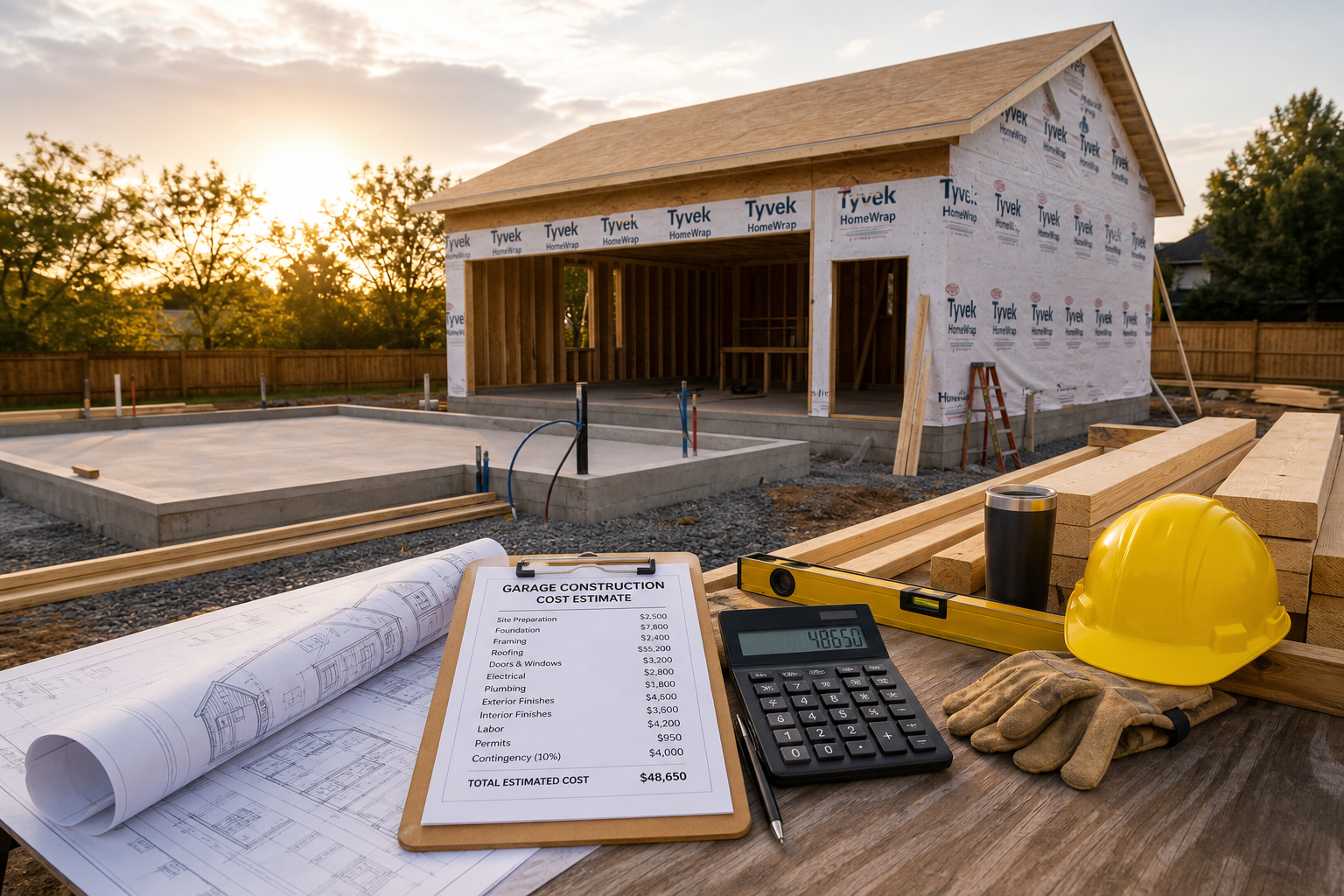
Attached garages typically cost 15-25% less to build than detached versions of the same size. The shared wall, foundation connection, and easier utility access create significant savings.
Detached garage costs include complete foundation work, four full walls, and utility trenching that attached garages don’t require. However, detached garages offer more flexibility in placement and don’t require expensive excavation if your home sits on challenging terrain.
Long-term Value
Both garage types add similar value to your home, but attached garages typically provide slightly higher returns in suburban markets. Buyers prefer the convenience and weather protection of attached access.
Detached garages may add more value in rural areas or properties with large lots where the separation creates opportunities for workshop space or vehicle storage without impacting the home.

Garage Pest Repellent
Natural deterrent that works well in both attached and detached garage configurations
Climate Considerations
Cold Climate Performance
Attached garages perform better in cold climates by staying warmer than outdoor temperatures. This protects vehicle batteries, prevents freezing of stored liquids, and makes winter car maintenance more comfortable.
Your garage door insulation kit can make a 10-15 degree temperature difference. Combined with proper air sealing around the frame, even an unheated attached garage stays significantly warmer than a detached building.
Detached garages in cold climates require dedicated heating for comfortable winter use. Even basic insulation makes any heater dramatically more efficient, but the heating costs remain higher than attached alternatives.
Hot Climate Factors
Detached garages stay cooler in hot climates because they don’t share heat load with your home’s cooling system. The separation also prevents vehicle heat from affecting your home’s temperature.
Attached garages can increase your home’s cooling costs if not properly insulated. The shared wall transfers heat from vehicles and sun-heated garage space into your living areas.
Practical Planning Tips
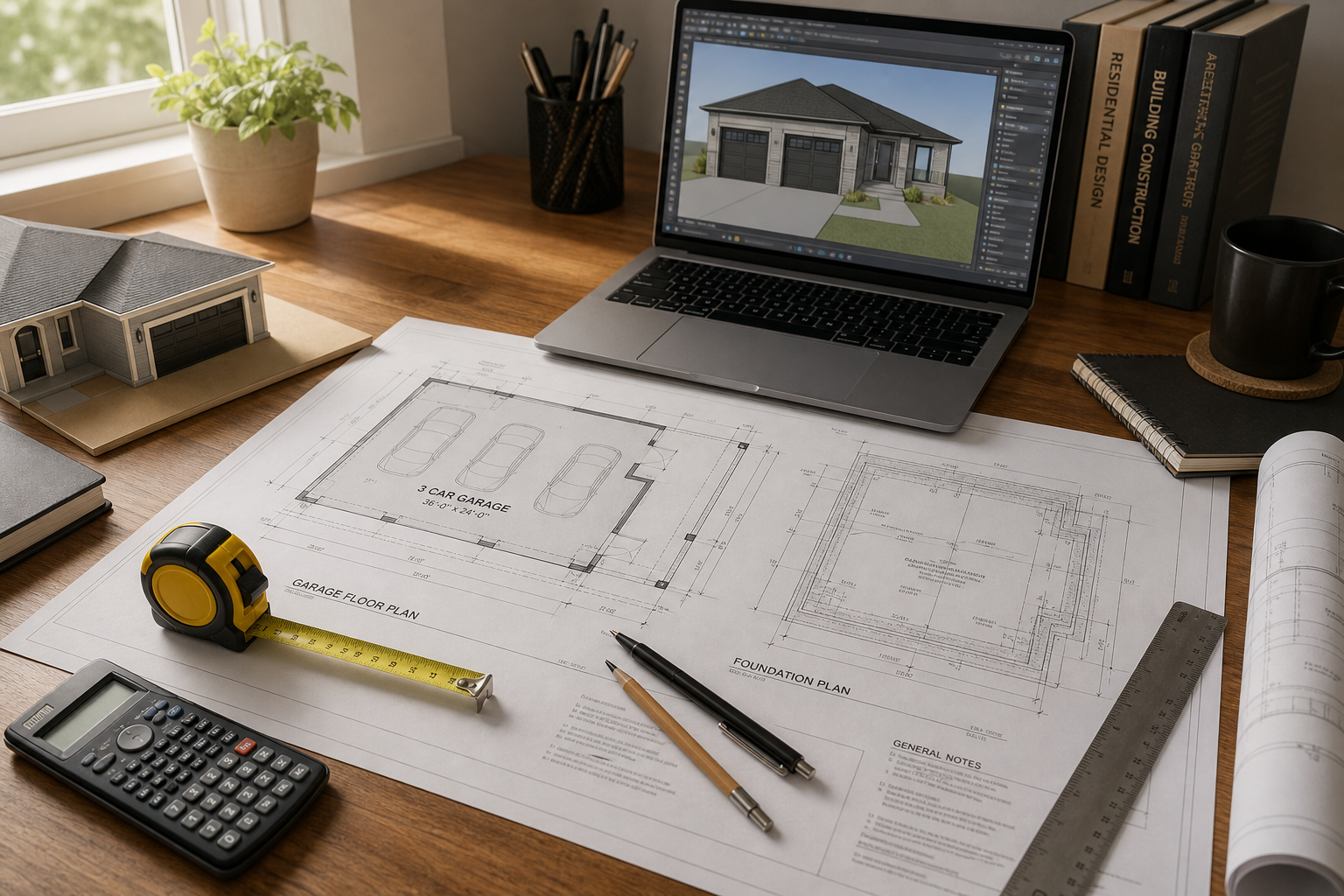
Prioritize your projects based on impact and urgency. Safety issues (faulty wiring, CO risk, structural problems) come first. Comfort improvements (insulation, lighting, climate control) come second. Cosmetic upgrades (floor coatings, paint, organization systems) come last.
Consider the seasonal timing of your project. Floor coatings apply best in mild weather (50 to 85 degrees). Insulation projects are most motivating before extreme weather hits. Electrical work can happen year-round but should be completed before insulating or finishing walls.
For storage solutions, consider your specific needs. Bike storage systems and ceiling storage lifts work equally well in both garage types.
When Each Type Makes More Sense
Choose Attached If You:
- Live in a climate with harsh winters or frequent storms
- Have mobility concerns or young children
- Want maximum convenience for daily use
- Need the energy efficiency benefits
- Have a smaller lot where space efficiency matters
Choose Detached If You:
- Plan to use the garage as a workshop or hobby space
- Store chemicals, fuel, or create fire risks
- Need noise isolation for projects or activities
- Want flexibility for future conversions
- Have lot size constraints that make attached construction difficult
Installation and Maintenance Differences
Both garage types require similar maintenance for door panels, opener adjustments, and safety sensor alignment. However, attached garages need more attention to air sealing and pest prevention.
Keep the workspace organized throughout any maintenance project. Debris and clutter cause errors and safety issues. Clear tools and waste between major steps rather than letting mess accumulate.
Expect at least one surprise during any garage project. Hidden moisture, non-standard dimensions, or outdated wiring are common discoveries. Having backup materials and a flexible timeline reduces stress when they appear.
The Bottom Line
Both options have real strengths, and neither is universally superior. Your budget, timeline, climate, and usage patterns determine the better fit. Pick whichever checks more of your boxes and commit confidently.
Still undecided? Start with the lower-cost or more reversible option. You can always upgrade later once you have firsthand experience with the trade-offs in your specific setup.
For those considering the value impact, detached garage value studies show both types provide strong returns on investment in most markets.
Frequently Asked Questions
What’s the most impactful garage insulation upgrade?
The garage door. An insulation kit alone can make a 10 to 15-degree temperature difference. Then seal air gaps around the frame for the next biggest improvement.
Will insulating my garage lower energy bills?
If it shares a wall with heated living space, yes. The insulated garage buffers heat loss from adjacent rooms. Most noticeable in cold-climate attached garages.
Can I heat an uninsulated garage?
A heater will run nonstop without reaching comfort temperatures. Even basic insulation (door kit plus air sealing) makes any heater dramatically more efficient.
Which garage type adds more home value?
Both add similar value, but attached garages typically provide slightly higher returns in suburban markets due to convenience factors. Rural properties may benefit more from detached garages that offer workshop flexibility.
This article contains affiliate links. We may earn a small commission at no extra cost to you.
