

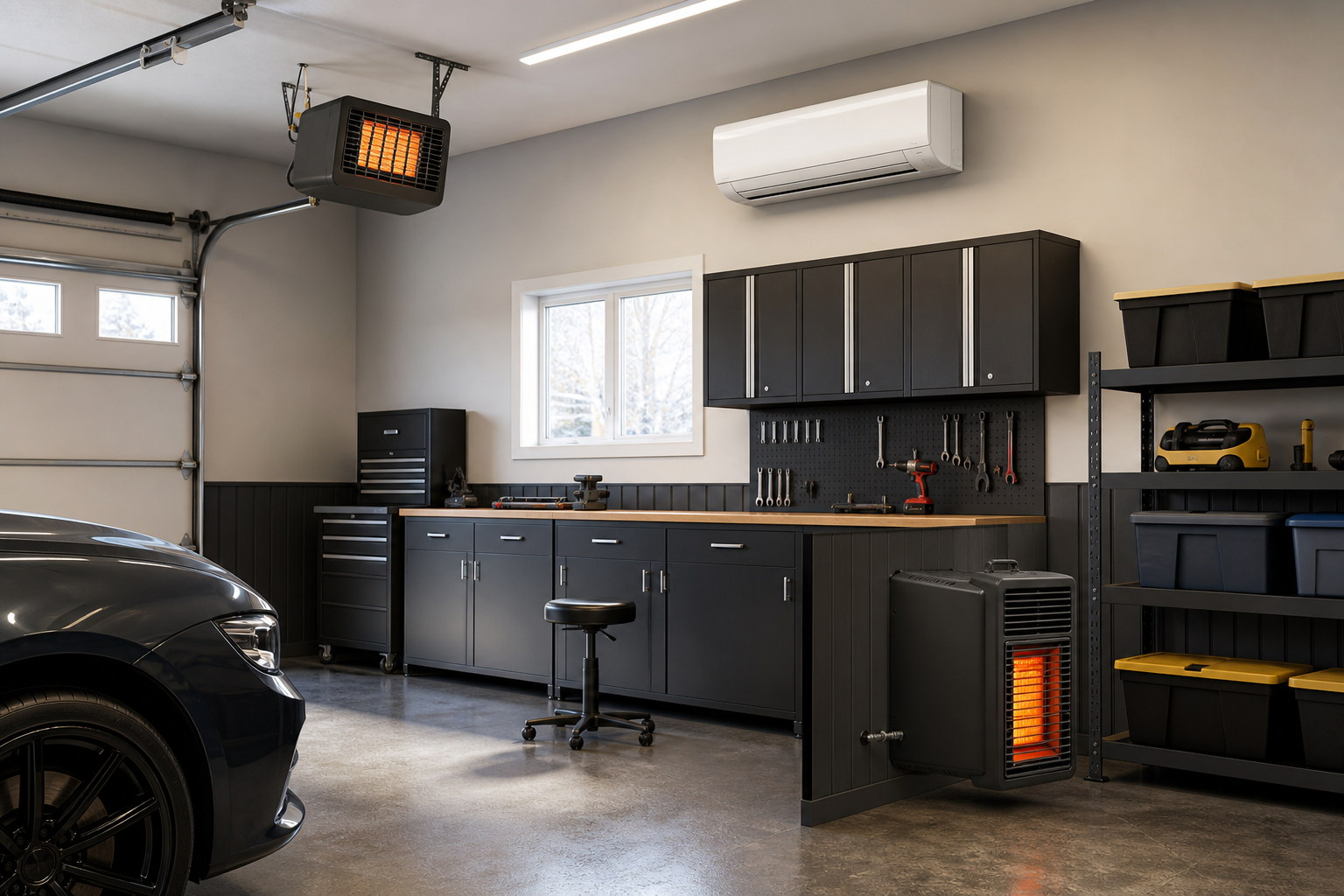
The market for garage heaters and mini splits keeps growing, giving you more options and more chances to pick wrong. Understanding what separates quality from marketing hype saves real money and frustration.
This guide compares the leading products across the specs that actually matter, with clear recommendations at different price points.
Understanding the Basics
Electric forced-air heaters need no venting or fuel lines. A 5,000-watt 240V unit produces about 17,000 BTUs. Quick to heat, consistent temperature. Downside: higher operating cost than gas, especially where electricity is expensive.
BTU output must match your space. Multiply square footage by ceiling height, then by 3 to 5 BTUs based on insulation quality and climate. A well-insulated 500 sq ft, 10-foot-ceiling garage needs roughly 15,000 to 25,000 BTUs.
Natural gas and propane heaters give the most BTUs per dollar. They require proper exterior venting (never run unvented combustion heaters in enclosed garages) and a gas line. Higher install cost, but lowest operating cost for daily use in cold climates.
Electric Space Heaters
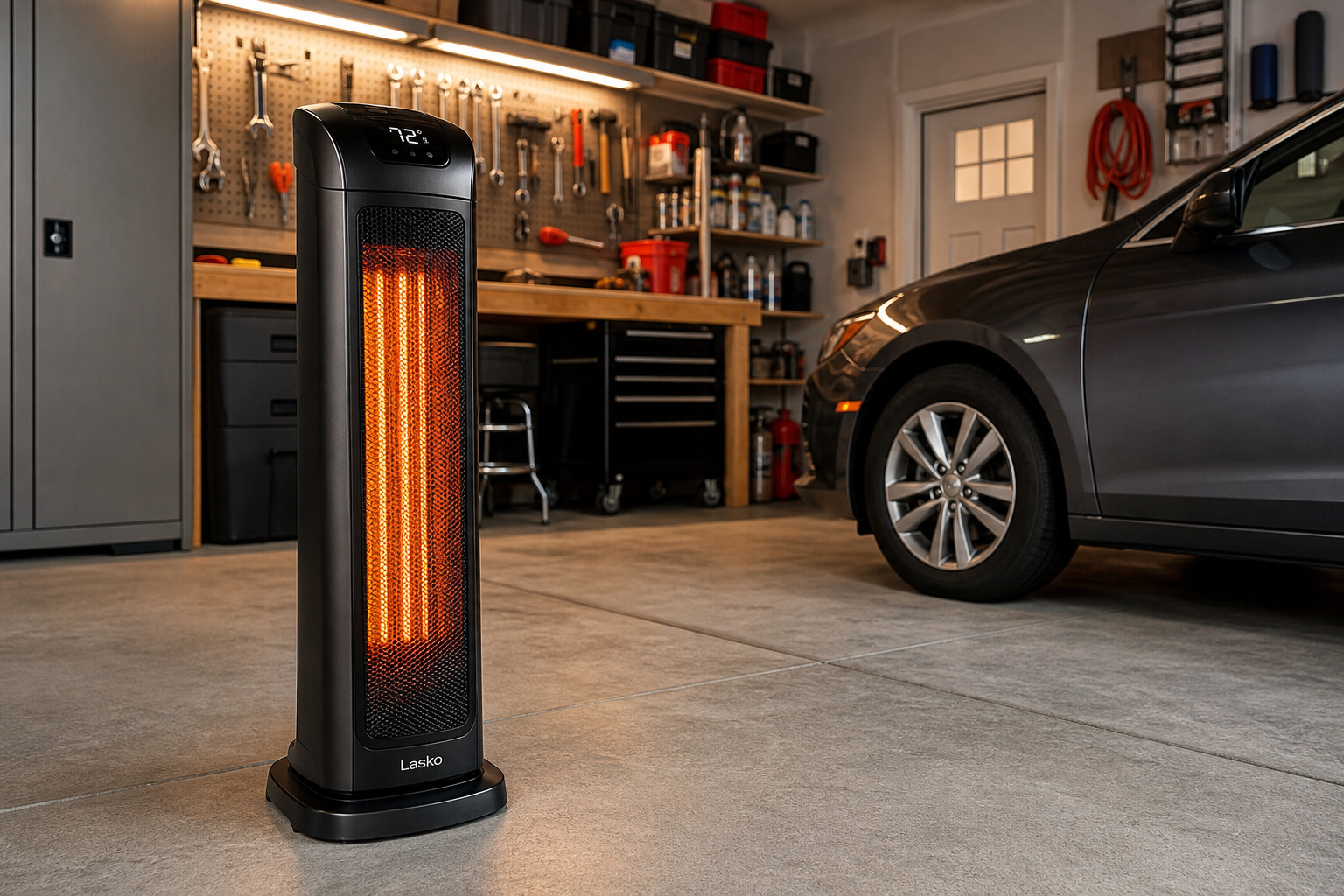
Electric space heaters work best for occasional use and moderate climates. Understanding the specifics of your situation helps you choose the right approach. Your garage’s age, construction type, and local climate all influence what works best and what to avoid.
Measure twice and commit once. A tape measure and five minutes of verification prevent the mistakes that take hours to fix. This applies doubly to cuts, holes, and any irreversible step.
If this is your first project of this type, budget 50% more time than guides suggest. The learning curve is real, and careful work produces better results than rushing to meet an estimated timeline.
A quality garage thermostat makes a noticeable difference in results. Check current options and reviews on Amazon to find the right match for your project and budget.

Electric Garage Heater 5000 Watt
Best choice for consistent heating without venting requirements
Ductless Mini Splits on Cost
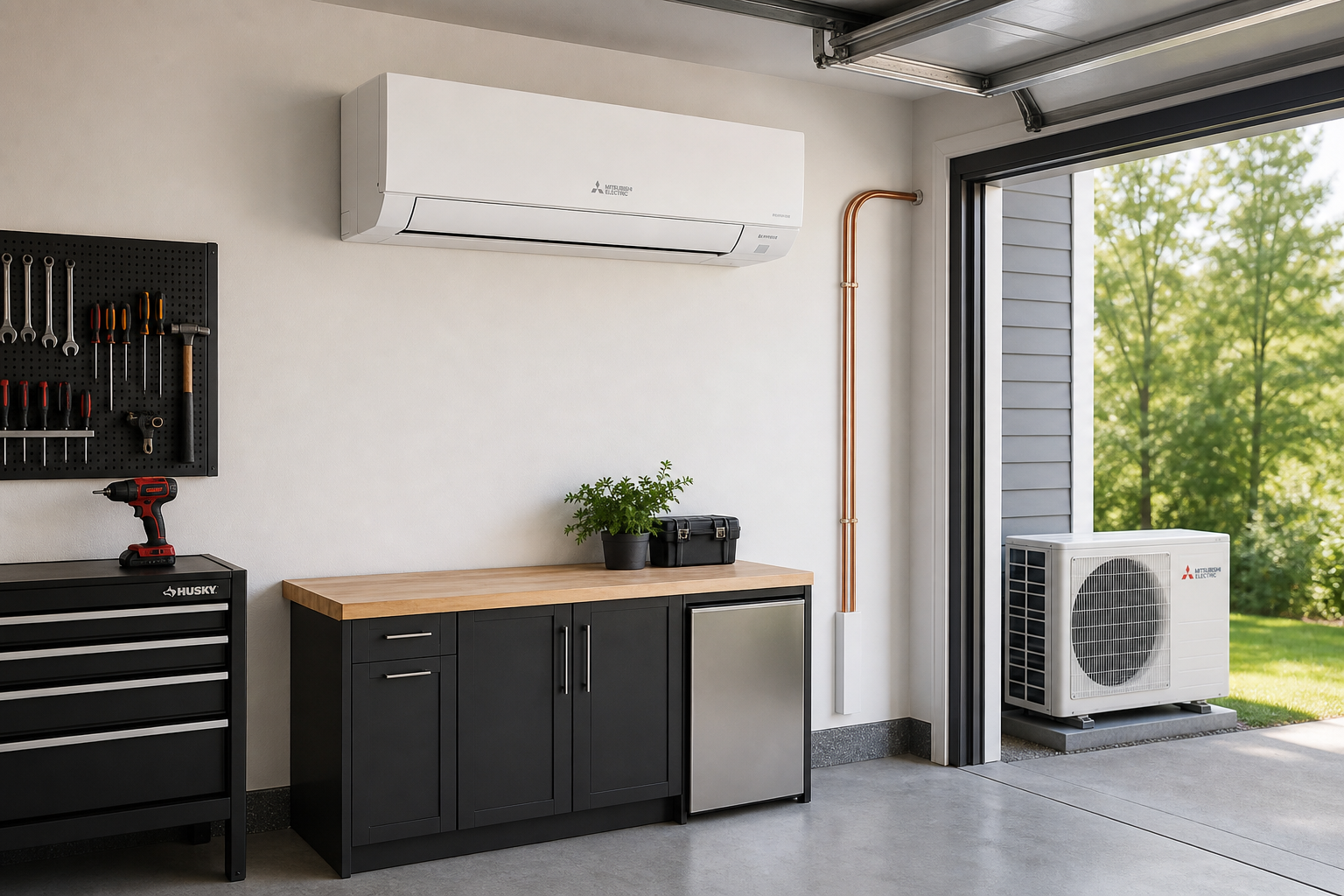
Ductless mini splits excel at both heating and cooling, making them ideal for year-round garage workshops or home offices. Understanding the specifics of your situation helps you choose the right approach. Your garage’s age, construction type, and local climate all influence what works best and what to avoid.
Check specific requirements before purchasing materials. Measure the area, note unusual conditions (extreme temps, high humidity, uneven surfaces), and read product specs carefully. A mismatch between your conditions and the product’s rated range is the most common cause of unexpected failures.
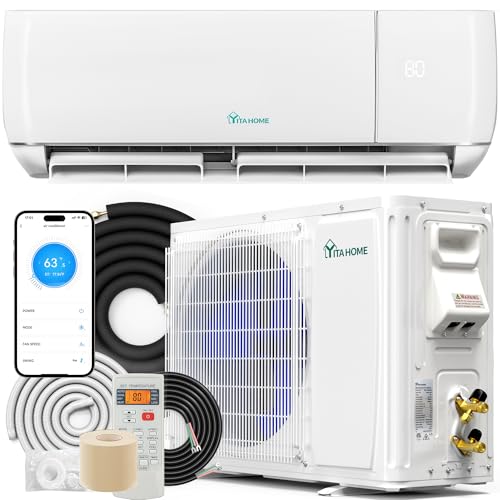
Mini Split Heat Pump System
Most efficient option for year-round temperature control
Additional Considerations
Infrared radiant heaters warm objects and surfaces directly instead of heating air. Efficient in drafty spaces since warmth doesn’t dissipate as quickly. The trade-off is uneven heating: direct-path areas get warm while corners stay cool.
Smart charger features (WiFi, app scheduling, energy tracking) save money through off-peak charging. If your utility has time-of-use pricing, overnight rates can cut charging costs 30 to 50% versus daytime power. Check our EV charging station guide for detailed installation tips.
Practical Planning Tips
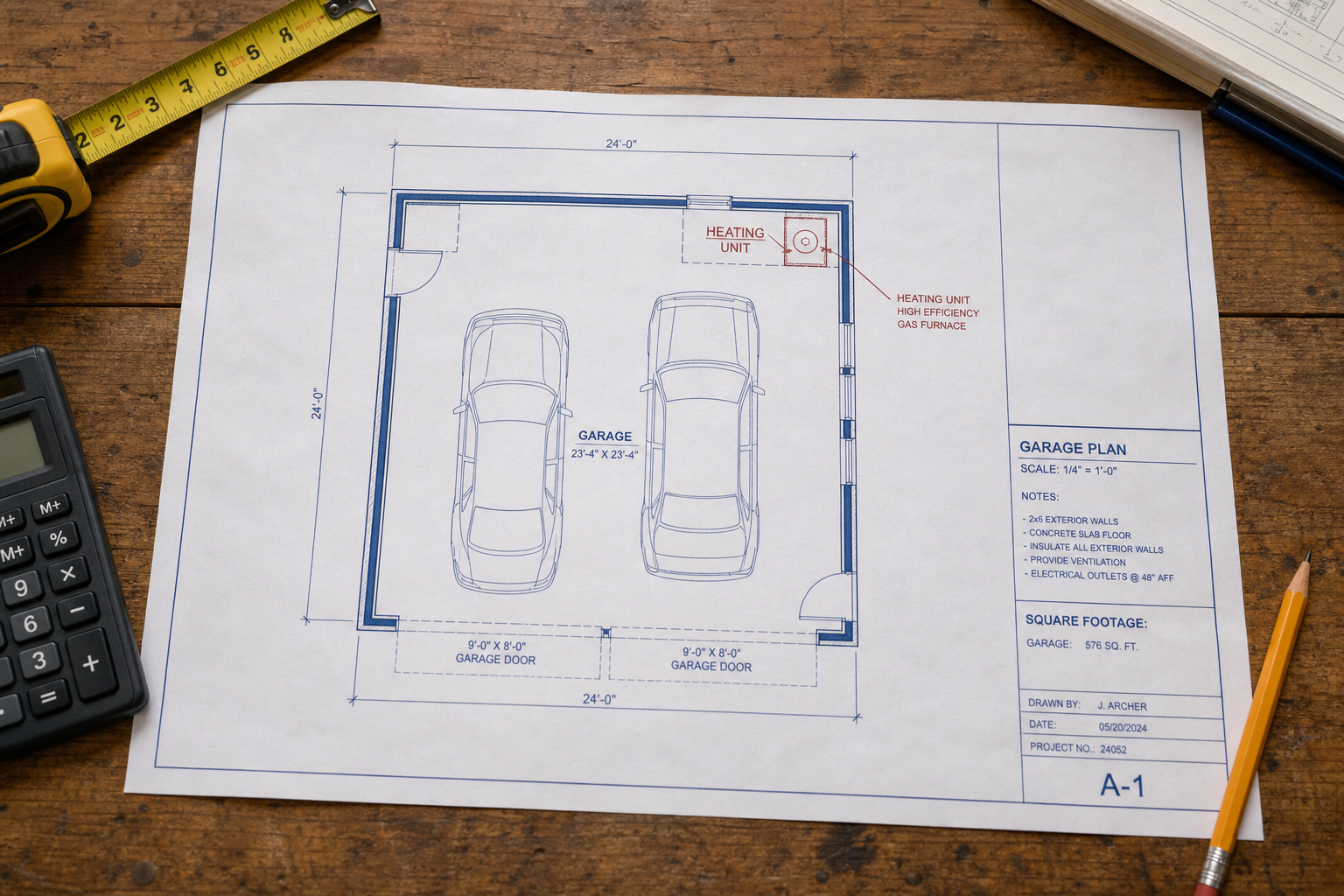
Research local building codes and permit requirements for your specific project. Electrical work, structural modifications, and HVAC installations often require permits and inspections. Working without required permits can create liability issues, insurance complications, and problems when selling the home.
Prioritize your projects based on impact and urgency. Safety issues (faulty wiring, CO risk, structural problems) come first. Comfort improvements (insulation, lighting, climate control) come second. Cosmetic upgrades (floor coatings, paint, organization systems) come last. Following this order ensures you’re building each improvement on a solid foundation.
Consider the seasonal timing of your project. Floor coatings apply best in mild weather (50 to 85 degrees). Insulation projects are most motivating (and noticeable) before extreme weather hits. Electrical and plumbing work can happen year-round but should be completed before insulating or finishing walls over the wiring.
Before starting any garage project, take stock of what you have and what you need. Walk the space with a tape measure and a notepad. Record dimensions, note existing electrical outlets and their amperage, check for moisture issues, and photograph anything you want to change. This baseline assessment prevents surprises mid-project and helps you budget materials accurately.
What to Avoid
Knowing what to skip prevents expensive mistakes:
- “Universal” products claiming to work everywhere. Specialized products consistently outperform generalists.
- Suspiciously cheap deals from unauthorized sellers. Counterfeit products are a real issue on major platforms.
- Products with vague specs or missing data sheets. If a manufacturer won’t publish details, that’s a red flag.
Propane garage heaters are a reliable choice that’s well-reviewed by garage owners. Browse the latest selection on Amazon for current pricing and availability.

Propane Garage Heater
Excellent for garages without electrical upgrades needed
Frequently Asked Questions
Will insulating my garage lower energy bills?
If it shares a wall with heated living space, yes. The insulated garage buffers heat loss from adjacent rooms. Most noticeable in cold-climate attached garages. Our radiant barrier installation guide covers effective insulation strategies.
What’s the most impactful garage insulation upgrade?
The garage door. An insulation kit alone can make a 10 to 15-degree temperature difference. Then seal air gaps around the frame for the next biggest improvement. Check our weather stripping replacement guide for detailed steps.
Can I heat an uninsulated garage?
A heater will run nonstop without reaching comfort. Even basic insulation (door kit plus air sealing) makes any heater dramatically more efficient.
What size heater do I need for my garage?
Calculate your garage’s volume (length × width × height), then multiply by 3 to 5 BTUs per cubic foot depending on insulation quality. A 20×20 foot garage with 8-foot ceilings needs 9,600 to 16,000 BTUs for comfortable heating.
This article contains affiliate links. We may earn a small commission at no extra cost to you.
