

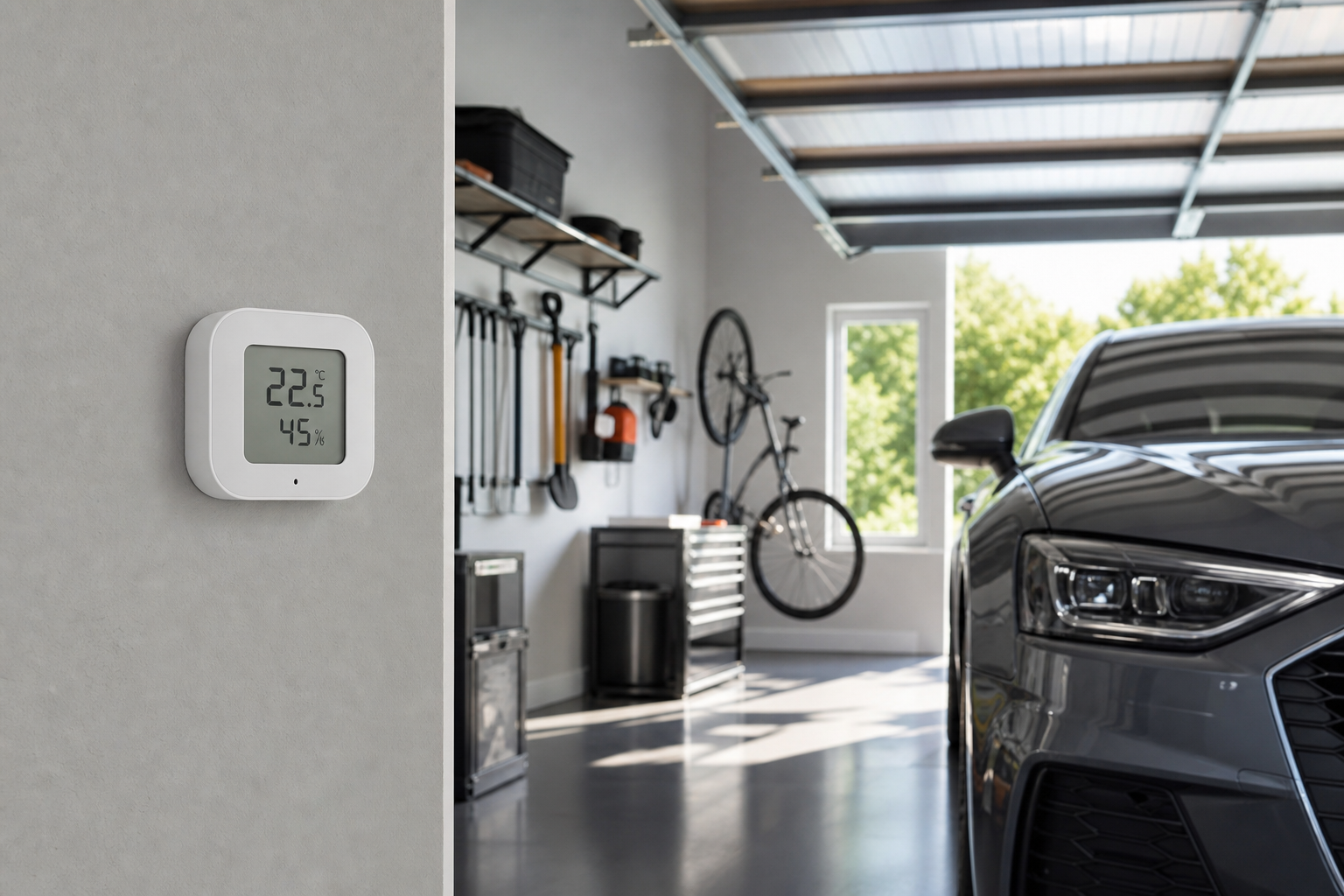
The market for smart garage temperature sensors keeps growing, giving you more options and more chances to pick wrong. Understanding what separates quality from marketing hype saves real money and frustration.
This guide compares the leading products across the specs that actually matter, with clear recommendations at different price points.
Understanding Smart Temperature Sensor Basics
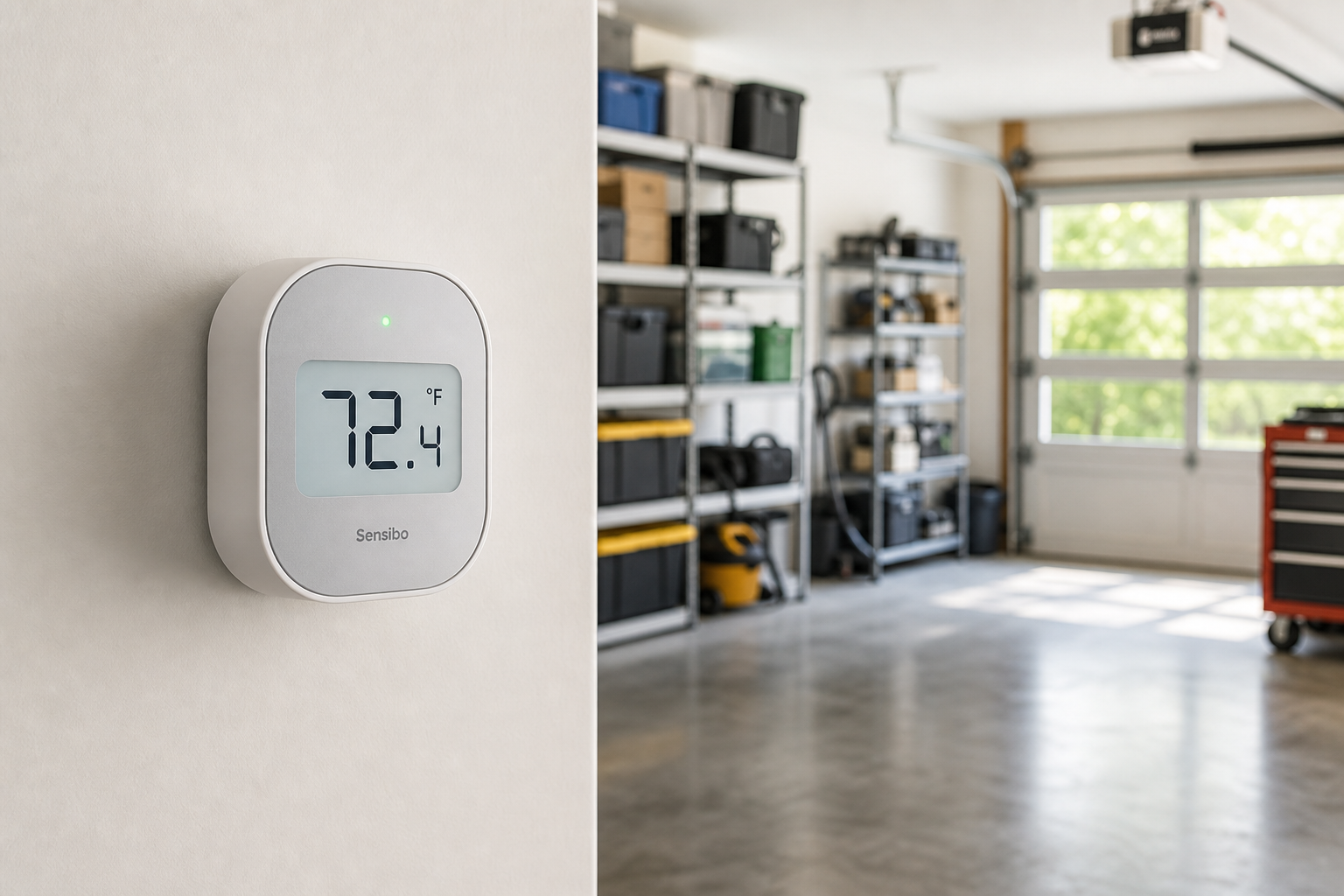
Smart garage temperature sensors do more than just monitor heat and cold. The best models track humidity, send alerts to your phone, and integrate with home automation systems. This data helps you spot problems before they cause damage to stored items or your vehicle.
Look for sensors with WiFi connectivity rather than Bluetooth-only models. WiFi units let you check garage conditions from anywhere, while Bluetooth requires you to be within 30 feet. Battery life matters too. Quality sensors run 12-18 months on a single charge, while cheaper units need monthly attention.
Accuracy separates good sensors from great ones. Industrial-grade models stay within ±0.5°F and ±2% humidity. Consumer models typically range ±2°F and ±5% humidity, which works fine for most garage monitoring needs.

Smart Garage Temperature Sensor
WiFi-enabled models with mobile alerts for reliable monitoring
Pest Control and Temperature Monitoring
Temperature sensors help you track conditions that attract pests, but physical exclusion remains your first defense. Gaps around pipes and wires, sill plate-to-foundation spaces, unscreened vents, and deteriorated weatherstripping on side doors create entry points for unwanted visitors.
Steel wool packed into openings and secured with expanding foam stops rodents effectively. Foam alone gets chewed through quickly. Copper mesh works even better for permanent solutions. For larger gaps, 1/4-inch galvanized hardware cloth screwed in place creates a chew-proof barrier.
The garage door bottom seal represents the most common pest entry point. A 1/4-inch gap admits mice, insects, and spiders easily. Inspect the entire seal length for cracks, compressed areas, or hardened rubber that no longer contacts the ground fully. Temperature data from your sensors helps you understand when condensation creates conditions pests love.
If you need pest control supplies, quality garage pest repellents make a noticeable difference in results. For sealing entry points, steel wool pest barriers provide reliable, long-lasting protection.
Moisture Control Solutions
Smart sensors excel at tracking humidity patterns that lead to condensation problems. For active moisture control, a dehumidifier and improved ventilation provide the most effective solutions. A 50-pint unit keeps relative humidity below 60% in most two-car garages.
Choose a dehumidifier model with auto-defrost if your garage drops below 65 degrees. Standard units ice up in cool conditions, making them useless when you need them most. Your temperature sensor data helps determine which type you need.
Moisture in garages comes from two primary sources. Vapor transmission moves water through the concrete slab from soil below. Condensation forms when warm humid air contacts the cooler slab surface. Each requires a different solution, and treating the wrong one wastes time and money.
Smart sensors help you distinguish between these moisture sources by tracking temperature and humidity patterns over time. Vapor transmission shows consistent high humidity regardless of weather. Condensation spikes when outdoor temperature and humidity fluctuate.
Practical Planning Tips
Before installing any smart garage monitoring system, research local building codes and permit requirements for your specific project. Electrical work, structural modifications, and HVAC installations often require permits and inspections. Working without required permits can create liability issues, insurance complications, and problems when selling the home.
Take stock of what you have and what you need before starting. Walk the space with a tape measure and notepad. Record dimensions, note existing electrical outlets and their amperage, check for moisture issues, and photograph anything you want to change. This baseline assessment prevents surprises mid-project.
Set a realistic timeline and budget before buying anything. Most garage projects take 50% longer and cost 20% more than initial estimates, especially for first-timers. Build that buffer into your plan so unexpected discoveries don’t derail the entire project.
Quality tools make every project easier and safer. A reliable stud finder, a good level, a quality tape measure, and proper safety gear pay for themselves across multiple projects over the years. This applies to sensor installation and any garage finishing work you tackle.
Integration with Garage Systems
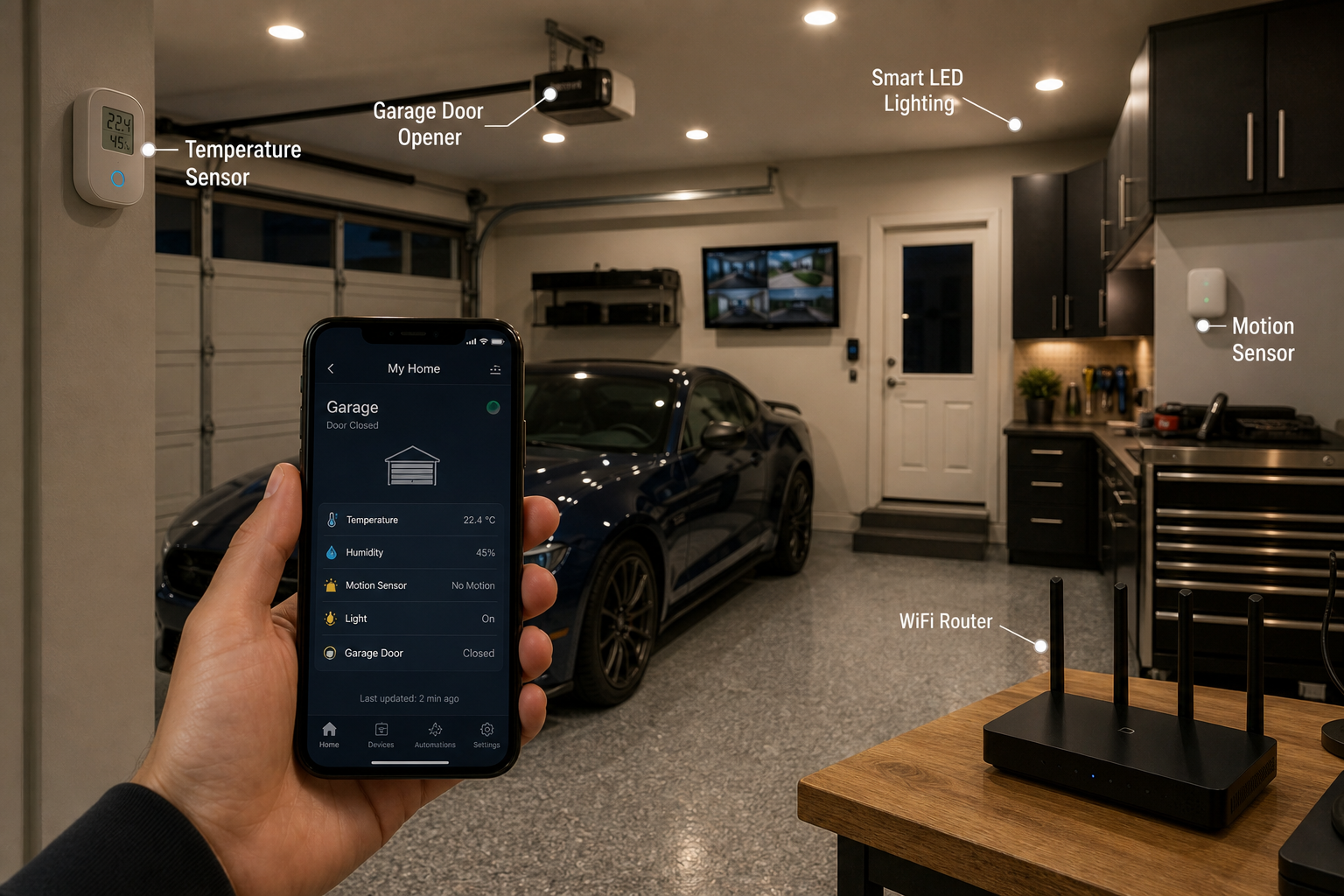
Modern smart sensors work with existing garage door systems and home automation platforms. If you’re dealing with garage door operational issues, temperature monitoring can help identify environmental factors that affect performance.
Smart garage systems pair well with other upgrades. Whether you’re planning a workshop setup or a home gym conversion, temperature monitoring ensures optimal conditions year-round.
For garages with smart lock systems, temperature sensors add another layer of security monitoring. Unexpected temperature changes can indicate unauthorized access or system problems.
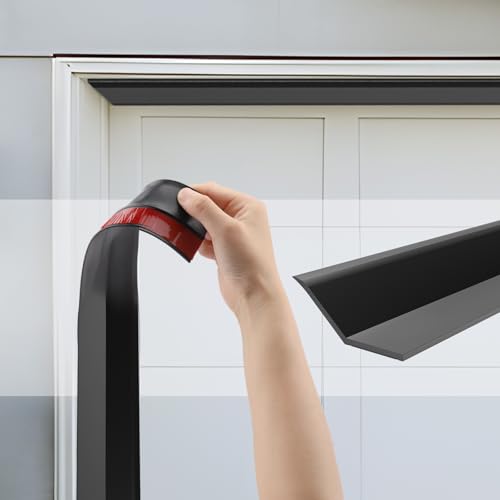
Garage Door Weather Stripping
Essential for temperature control and pest exclusion
What to Avoid
Knowing what to skip prevents expensive mistakes when shopping for smart temperature sensors:
- Products with vague specs or missing data sheets. If a manufacturer won’t publish details, that’s a red flag about quality and accuracy.
- Suspiciously cheap deals from unauthorized sellers. Counterfeit products are a real issue on major platforms, especially for electronics.
- Unknown brands at rock-bottom prices. Established brands charge more for proven materials and real warranties that matter when sensors fail.
- Bluetooth-only models for permanent installation. These limit your monitoring range and don’t work with most home automation systems.
- Models without backup battery systems. Power outages are when you most need to monitor garage conditions.
Stick with brands that offer detailed specifications, warranty coverage, and customer support. The few extra dollars spent upfront save frustration and replacement costs later.
Installation and Maintenance
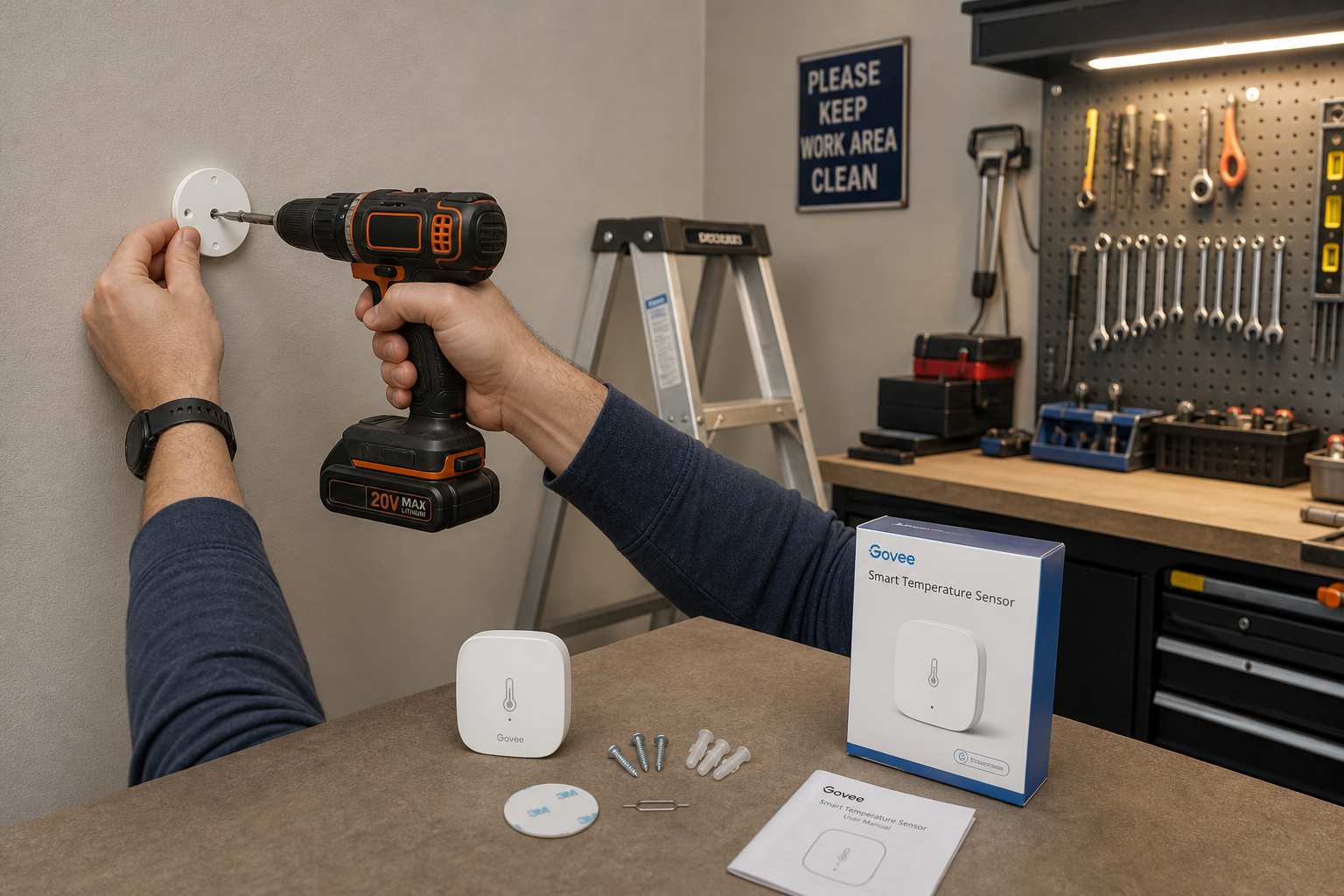
Most smart garage temperature sensors install in minutes with adhesive backing or magnetic mounts. Place them away from direct sunlight, heating vents, and the garage door mechanism to get accurate readings.
Height matters for accuracy. Mount sensors 4-6 feet off the ground for representative air temperature readings. Avoid mounting directly on exterior walls, which can skew temperature data based on outside conditions.
Regular calibration keeps sensors accurate over time. Most quality models self-calibrate, but manual calibration every six months ensures reliable data. This becomes especially important if you’re monitoring conditions for sensitive stored items.
Battery replacement varies by model and usage. Heavy WiFi activity drains batteries faster than basic monitoring. Plan on annual battery changes for most sensors, and keep spares on hand to avoid monitoring gaps.
Frequently Asked Questions
How accurate are consumer-grade smart garage temperature sensors?
Most consumer models maintain accuracy within ±2°F and ±5% humidity, which works well for general garage monitoring. Industrial-grade units offer ±0.5°F accuracy but cost significantly more. For typical garage use, consumer accuracy is sufficient to track trends and spot problems.
Do smart temperature sensors work during power outages?
Battery-powered sensors continue monitoring during outages, but WiFi connectivity depends on your router having backup power. Models with local data storage save readings during outages and upload them when connectivity returns. This feature is valuable for tracking conditions during extended power losses.
Can temperature sensors help with garage door maintenance?
Yes, temperature data helps you understand how weather affects your door seals and weatherstripping. Extreme temperature swings can affect door balance and opener performance. Monitoring helps you schedule maintenance before problems develop.
How often should smart garage sensors be replaced?
Quality sensors typically last 3-5 years with regular battery changes. Accuracy may drift over time, especially in dusty garage environments. Replace sensors when calibration no longer maintains accuracy or when WiFi connectivity becomes unreliable despite troubleshooting efforts.
This article contains affiliate links. We may earn a small commission at no extra cost to you.
