

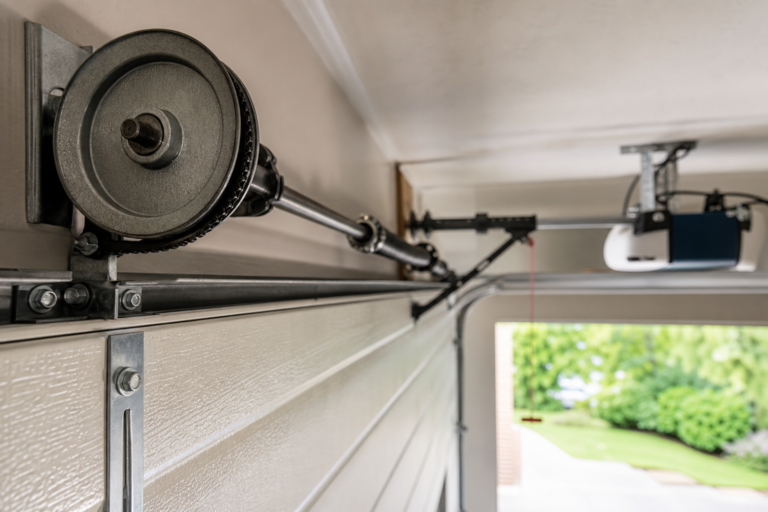
When your garage door making grinding noise, the temptation is to assume the worst. In reality, the cause is usually simpler and cheaper than expected. The key is working through possibilities systematically rather than guessing.
Below, you’ll find each common cause with specific diagnostic steps and fixes. Grab a flashlight and your basic toolkit, then work through these from easiest to most involved.
Understanding the Basics
A garage door system includes panels, tracks, rollers, springs (torsion or extension), cables, hinges, weatherstripping, and the opener with its motor, drive mechanism, and safety sensors. When symptoms appear, the root cause isn’t always in the most obvious component.
Safety sensors mount about 6 inches above floor level on both sides of the door opening. They send an infrared beam across the gap. If anything blocks or misaligns that beam, the door won’t close. Sensor issues are the number-one cause of “door won’t close” complaints and are almost always a quick fix. Learn more about proper garage door safety sensor alignment.
Lubrication is the cheapest, most effective maintenance. Apply white lithium grease or silicone-based lubricant to hinges, rollers (unless sealed nylon), spring coils, and track contact points every 6 months. Skip WD-40 for this; it’s a solvent that displaces moisture but doesn’t provide lasting lubrication.
Worn Rollers: Nylon vs Steel
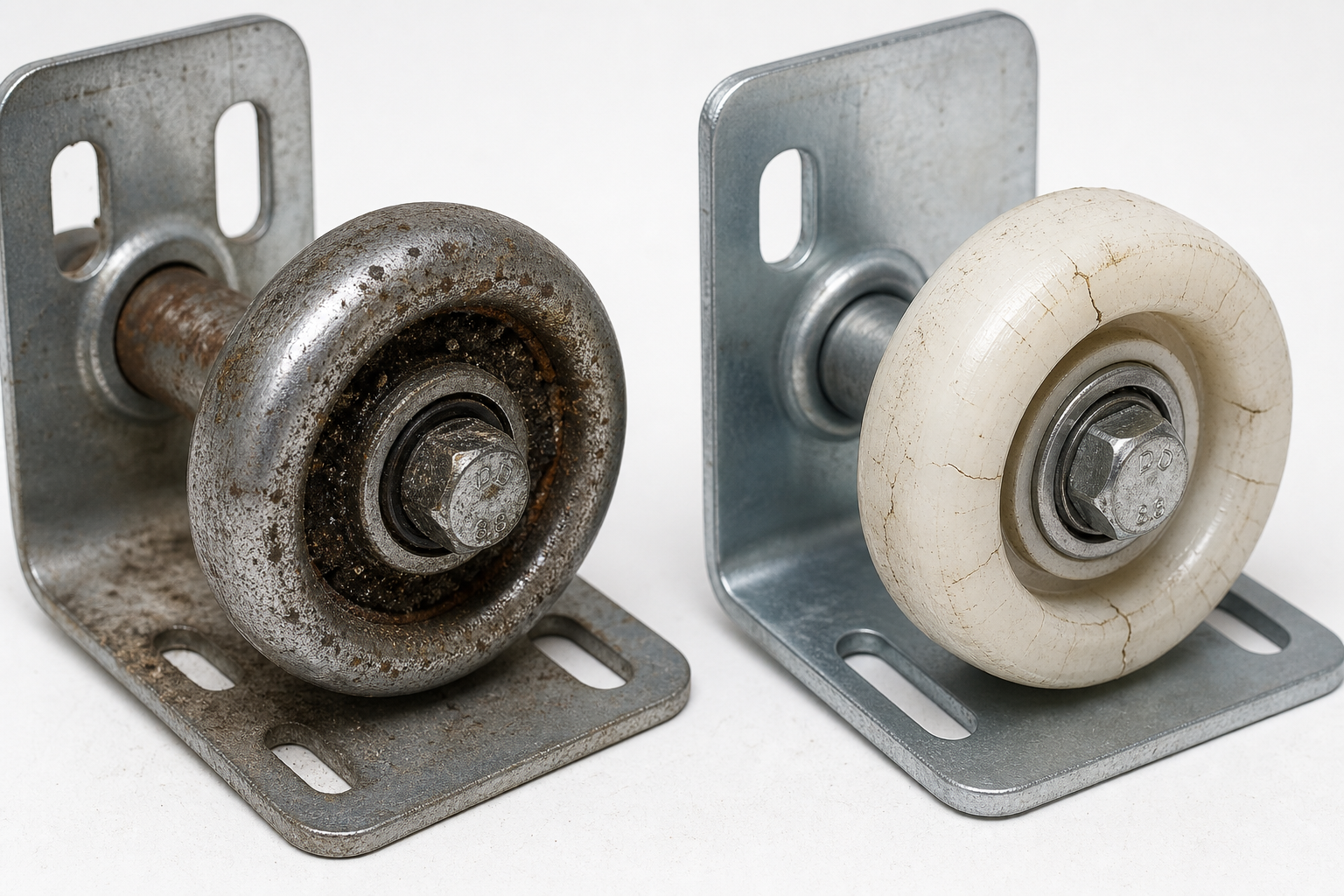
Worn rollers create grinding sounds as they struggle to move smoothly along the tracks. Steel rollers are particularly noisy when worn, while nylon rollers tend to become quieter but less effective.
Check your rollers by examining their shape and movement. Worn steel rollers often have flat spots or damaged ball bearings. Nylon rollers may crack or develop grooves.
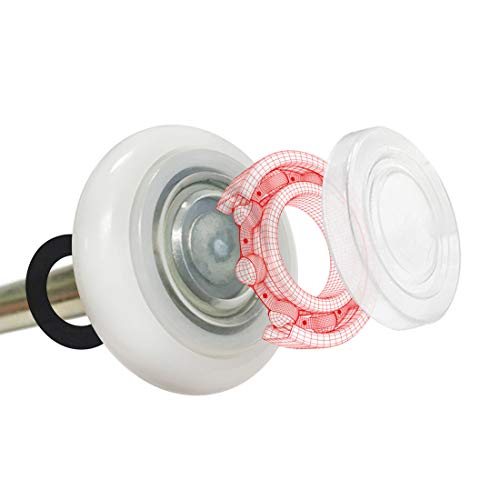
Nylon Garage Door Rollers
Quieter operation and longer lasting than steel alternatives
Replacing worn rollers typically solves grinding noises immediately. Work on one roller at a time and never remove the bottom roller, which supports the door’s weight.
Dry Hinges and Tracks
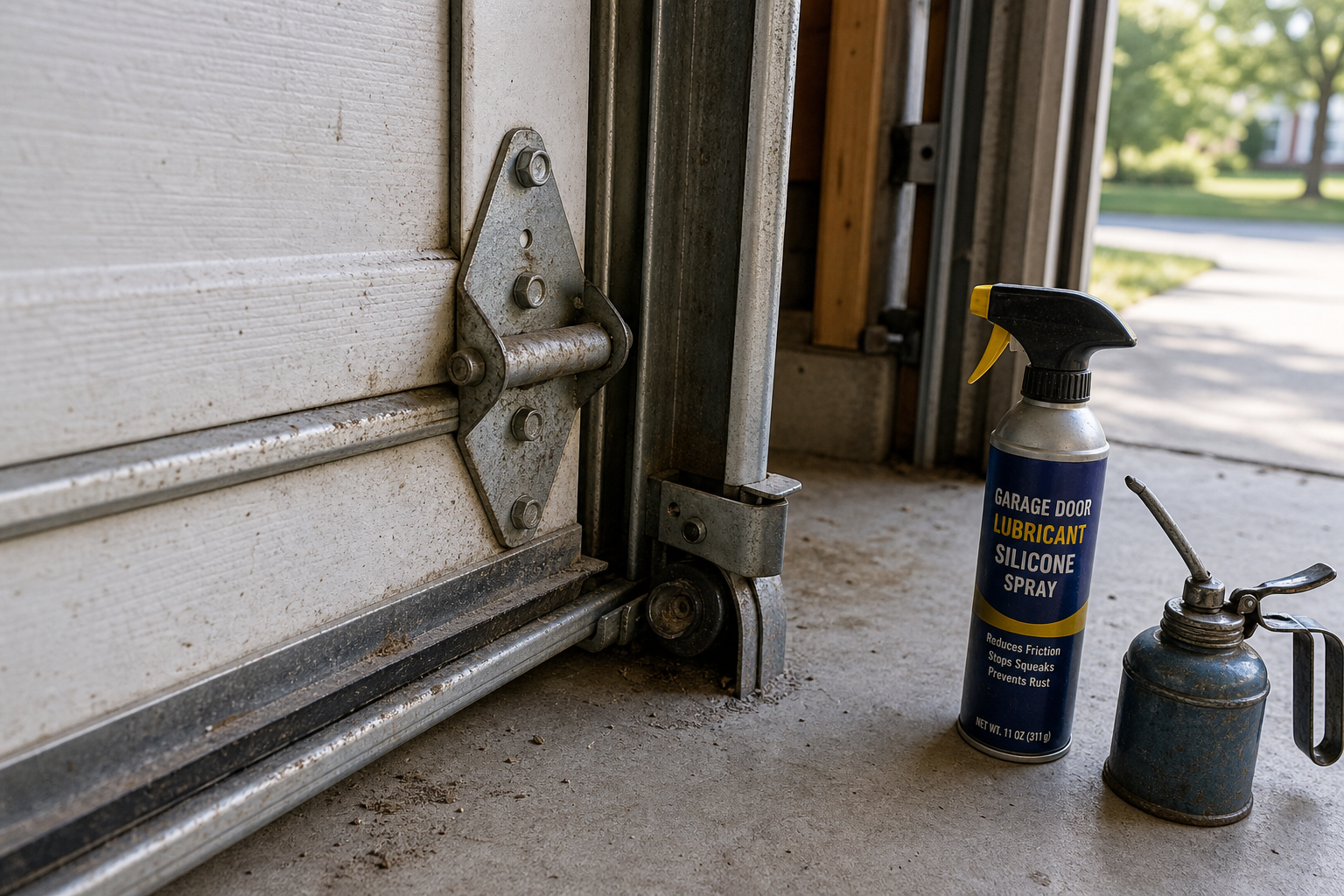
Dry metal components grinding against each other produce distinctive squealing and grinding sounds. This is especially common after winter months when humidity changes affect lubrication.
Start with a visual inspection of all hinges and track contact points. Look for signs of wear, rust, or debris buildup. Clean the tracks with a damp cloth to remove dirt and old lubricant.
Apply fresh lubricant to all moving parts. Focus on hinge pins, roller contact points, and the curved sections of the tracks where stress is highest.
Stripped Gears in the Opener
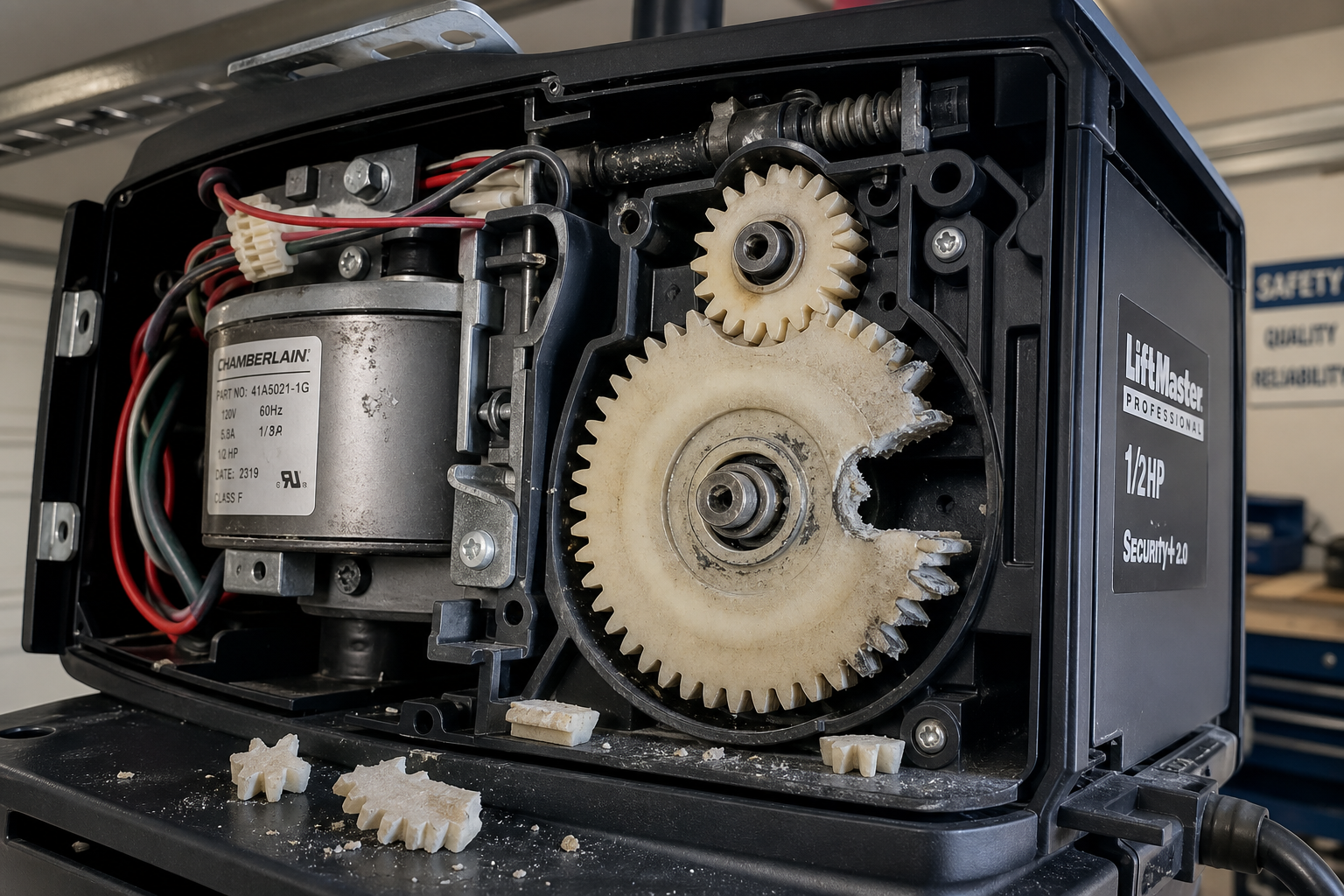
A stripped gear produces a grinding or humming sound with the motor running, but the door stays put. The motor shaft spins while the worn gear teeth slip past the main drive gear. This is common in older openers.
Start troubleshooting by disconnecting the opener (pull the red emergency release cord) and testing the door by hand. If it moves smoothly and holds at the halfway point, the mechanical system is fine and the problem is in the opener or electronics.
A replacement gear kit costs around budget-friendly pricing and takes about an hour to install. Check your opener’s manual for the correct part number, or look for it on a label inside the motor housing.
If you’re dealing with an older opener that frequently breaks down, consider whether upgrading to a 1.25 HP vs 1.5 HP garage door opener makes more sense than continued repairs.
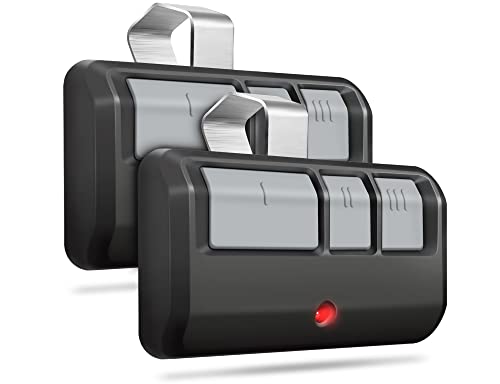
Garage Door Remote Replacement
Essential for testing opener functions during troubleshooting
Sound Description Guide
Different grinding sounds point to specific problems. Matching your noise to these descriptions helps target the right fix:
- High-pitched squealing: Usually dry hinges or rollers needing lubrication
- Deep grinding: Often worn steel rollers or track misalignment
- Intermittent scraping: Debris in tracks or bent track sections
- Motor grinding with no movement: Stripped gears or broken drive chain/belt
- Grinding only when opening: Spring tension issues or opener force settings
Record the sound on your phone if possible. This helps when consulting with repair professionals or researching replacement parts online.
Additional Considerations
Temperature changes affect garage door operation more than most homeowners realize. Cold weather makes metal contract, potentially causing binding in tracks or increased stress on components.
Check your opener’s force settings if grinding occurs only during operation. Excessive force can cause components to wear prematurely. Learn how to adjust garage door opener force settings properly.
If your door stops partway during operation along with grinding noises, you may have multiple issues. Our guide on garage door stops halfway problems covers this scenario in detail.
When to Call a Professional
DIY covers most of what’s listed above, but some situations need professional help. High-voltage electrical work, garage door spring replacement, structural modifications, and commercial-grade repairs are all worth outsourcing.
A botched repair often costs more to fix than hiring the right person from the start. Garage door springs, in particular, store enough energy to cause serious injury and should always be handled by trained technicians.
Get two to three quotes, verify licensing and insurance, and ask for recent references. A reputable contractor explains the process clearly, provides a written estimate, and backs the work with a written warranty.
Consider professional service if grinding persists after you’ve tried lubrication and basic adjustments. Complex issues like track misalignment or opener motor problems often require specialized tools and experience.
Frequently Asked Questions
How often should I lubricate my garage door?
Every 6 months: lubricate moving parts, tighten hardware, test auto-reverse, and visually inspect springs and cables. This maintenance takes about 20 minutes but prevents most grinding noise issues.
Should I replace garage door springs myself?
Torsion springs store enough energy to cause serious injury. This repair should always go to a trained technician with proper tools. Extension springs are slightly safer but still require caution and experience.
How long do garage door openers last?
10 to 15 years with regular maintenance. Belt-drive units tend to outlast chain-drive models. Motors, control boards, and gears typically wear first, often giving grinding or humming sounds as early warning signs.
Can grinding noises damage other garage door components?
Yes, grinding indicates excessive friction that accelerates wear throughout the system. Worn rollers can damage tracks, while dry hinges stress the door panels. Address grinding sounds quickly to prevent costlier repairs.
This article contains affiliate links. We may earn a small commission at no extra cost to you.
