

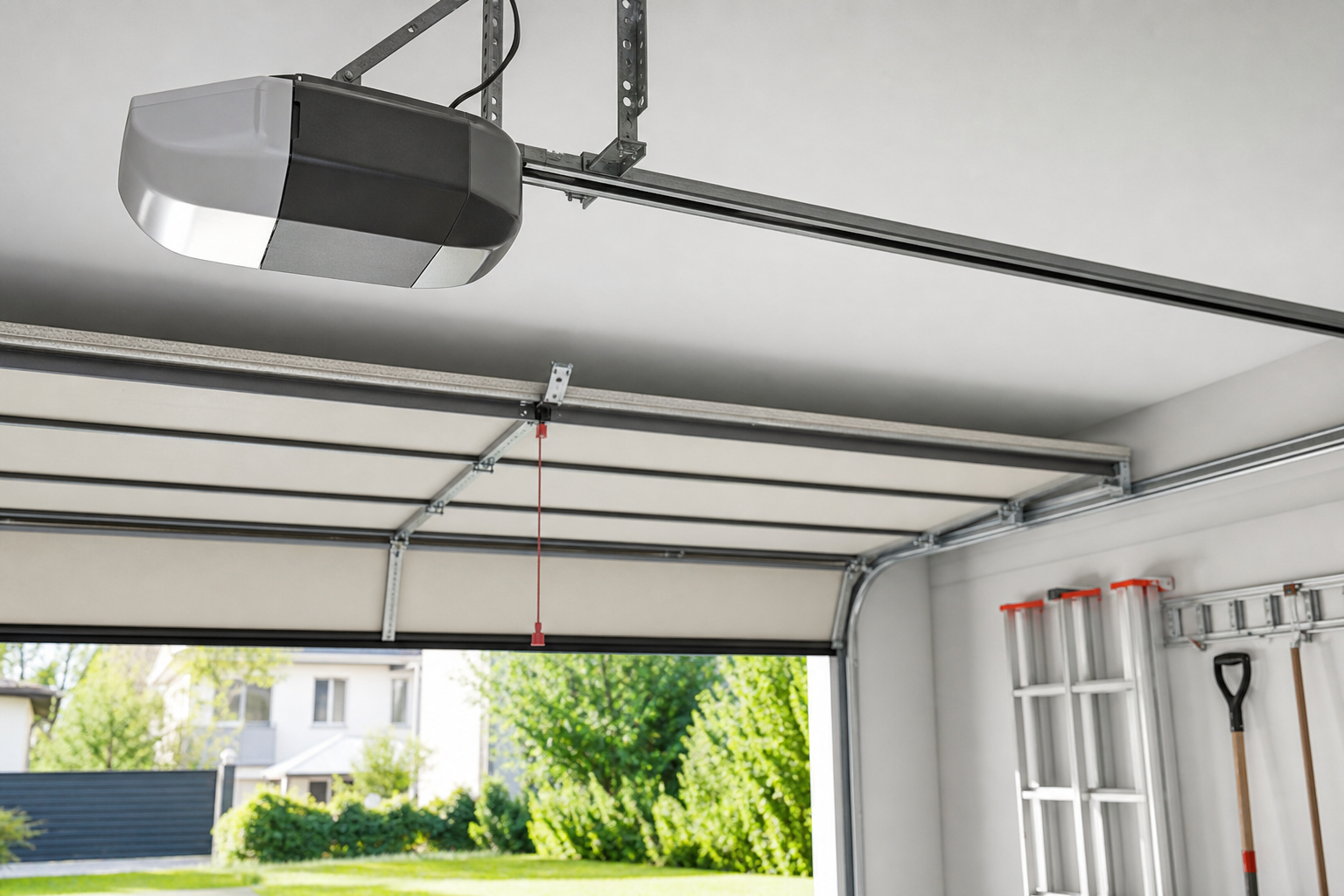
The 1.25 hp vs. 1.5 hp garage door opener decision comes up constantly, and both sides have passionate advocates. Marketing claims from each camp are hard to verify without hands-on experience.
This comparison cuts through the noise with a side-by-side look at what actually matters: performance, cost, durability, installation, and maintenance. The right choice for your situation should be clear by the end.
Understanding the Basics
A garage door system includes panels, tracks, rollers, springs (torsion or extension), cables, hinges, weatherstripping, and the opener with its motor, drive mechanism, and safety sensors. When symptoms appear, the root cause isn’t always in the most obvious component.
Start troubleshooting by disconnecting the opener (pull the red emergency release cord) and testing the door by hand. If it moves smoothly and holds at the halfway point, the mechanical system is fine and the problem is in the opener or electronics. If the door is heavy or drifts, suspect the springs.
Safety sensors mount about 6 inches above floor level on both sides of the door opening. They send an infrared beam across the gap. If anything blocks or misaligns that beam, the door won’t close. Sensor issues are the number-one cause of “door won’t close” complaints and are almost always a quick fix.
If you’re dealing with sensor problems specifically, check out our guide on garage door safety sensor alignment for detailed troubleshooting steps.
What Horsepower Ratings Actually Mean
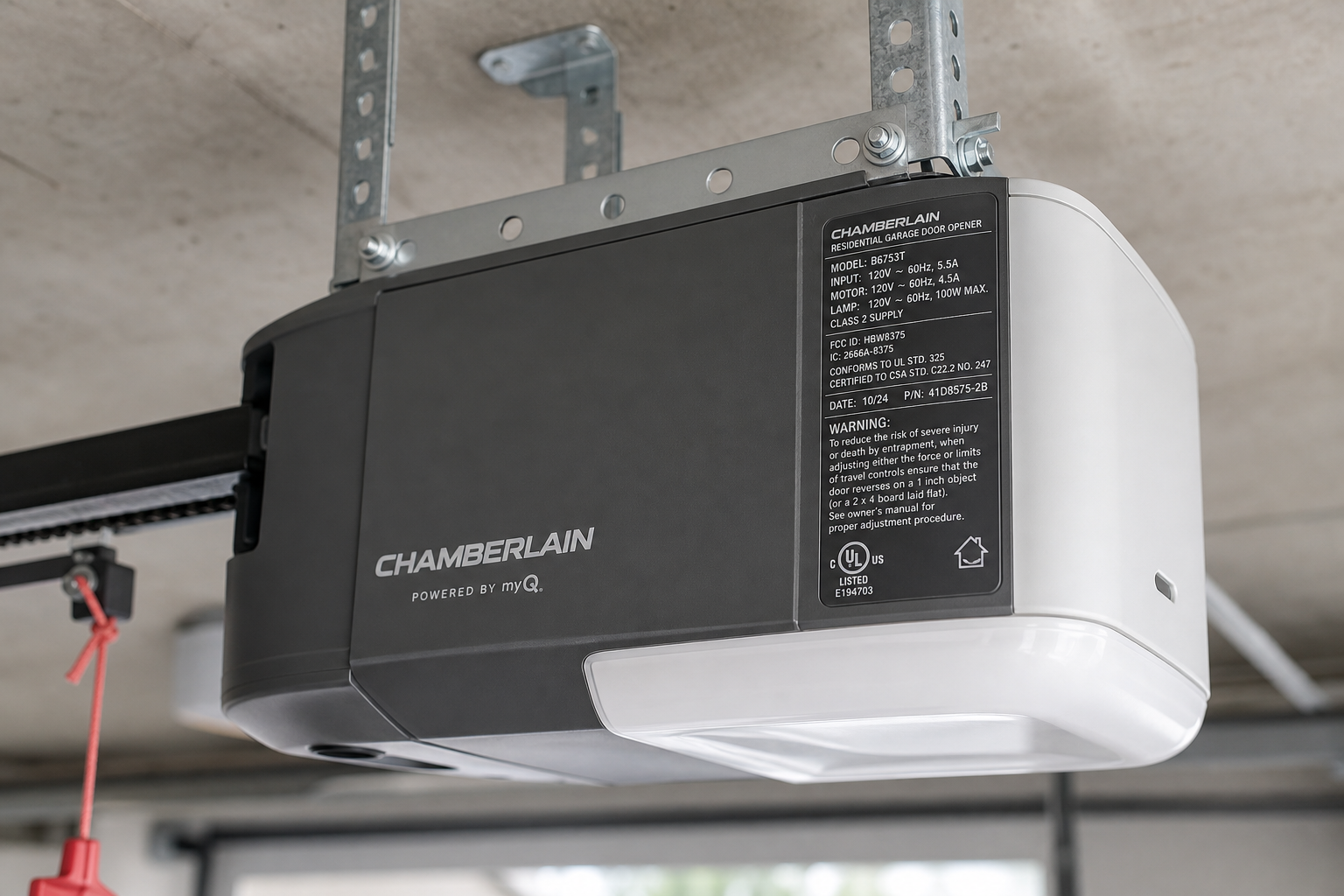
Horsepower ratings for garage door openers tell you about motor strength, but they don’t tell the whole story. Door weight and size determine the right motor more than any marketing number. Most residential single doors only need 1/2 hp to operate smoothly.
The difference between 1.25 hp and 1.5 hp matters most when you’re dealing with specific conditions. Heavy solid wood doors, oversized doors (16+ feet wide), or high-lift track configurations benefit from the extra power. Standard steel or composite doors rarely need more than 1.25 hp.
Follow manufacturer instructions exactly, even when online tutorials suggest shortcuts. Motor specifications differ between brands, and what works for one opener can cause failure with another. If the data sheet says specific torque requirements, those numbers aren’t suggestions.
Factor in maintenance when choosing your approach. The lowest-maintenance option isn’t always cheapest initially, but it usually wins over a 5 to 10-year window when you include repairs and replacements.

Garage Door Safety Sensor
Essential for troubleshooting opener issues and ensuring proper safety function
When You Genuinely Need More Power
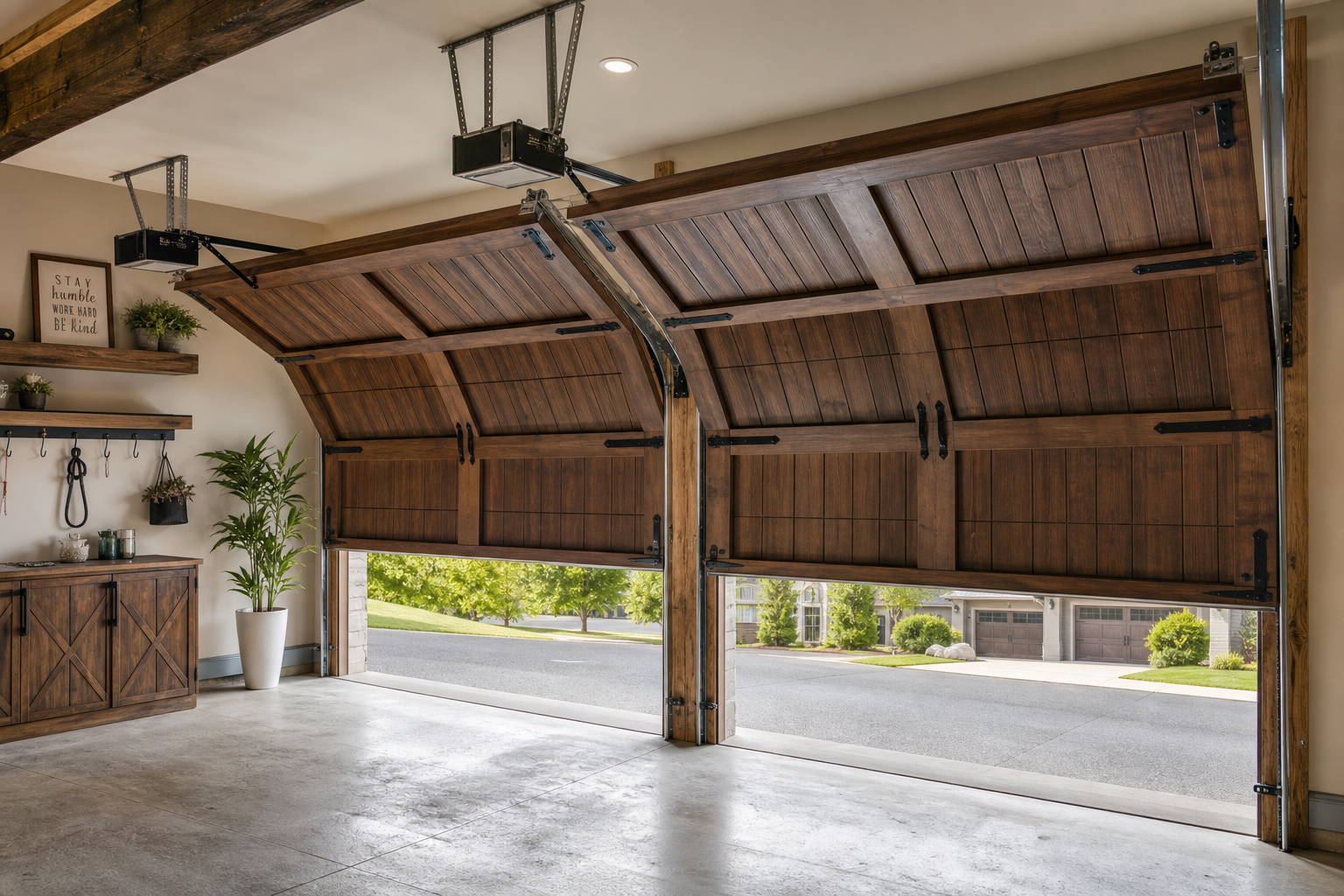
You genuinely need 1.5 hp when dealing with heavy wood doors, oversized doors, or high-lift tracks. Beyond marketing claims, these specific conditions require extra motor strength to operate reliably.
Heavy solid wood doors (especially carriage house styles) can weigh 400+ pounds. Standard 1.25 hp motors struggle with this weight, leading to premature wear and potential motor burnout. The extra power ensures smooth operation and longer component life.
Oversized doors (16+ feet wide) or doors with high-lift tracks create additional resistance. High-lift configurations require the opener to pull the door up and back further, demanding more torque throughout the opening cycle.
Climate and Usage Factors
Extreme temperatures affect motor performance. Cold weather makes lubricants thicker and springs stiffer, requiring more power to operate smoothly. If your garage regularly drops below 20°F, the extra power helps maintain consistent performance.
High-frequency use also benefits from more powerful motors. If you’re opening and closing the door 10+ times daily, the 1.5 hp motor handles the workload better over time.
When 1.25 HP Is Sufficient
Standard steel doors under 16 feet wide work perfectly with 1.25 hp motors. Insulated steel doors, composite doors, and aluminum doors fall into this category. These materials keep weight reasonable while providing good insulation and durability.
Standard lift tracks (7-8 foot ceilings) don’t create significant additional resistance. The door travels a predictable path without complex angles or extended horizontal runs.
Cost and Value Considerations
1.5 hp openers typically cost 20-30% more than comparable 1.25 hp units. This price difference extends beyond the initial purchase to installation complexity and potential electrical upgrades.
Some 1.5 hp units require dedicated 20-amp circuits instead of standard 15-amp circuits. Factor in electrical work costs if your garage doesn’t have adequate power supply.
The value equation depends on your specific door and usage patterns. Overpowering a lightweight door doesn’t provide benefits, while underpowering a heavy door creates problems. Match the motor to your actual requirements rather than buying maximum power.

Garage Door Opener 1.25 HP
Best choice for standard residential doors under 400 pounds
Installation and Maintenance Differences
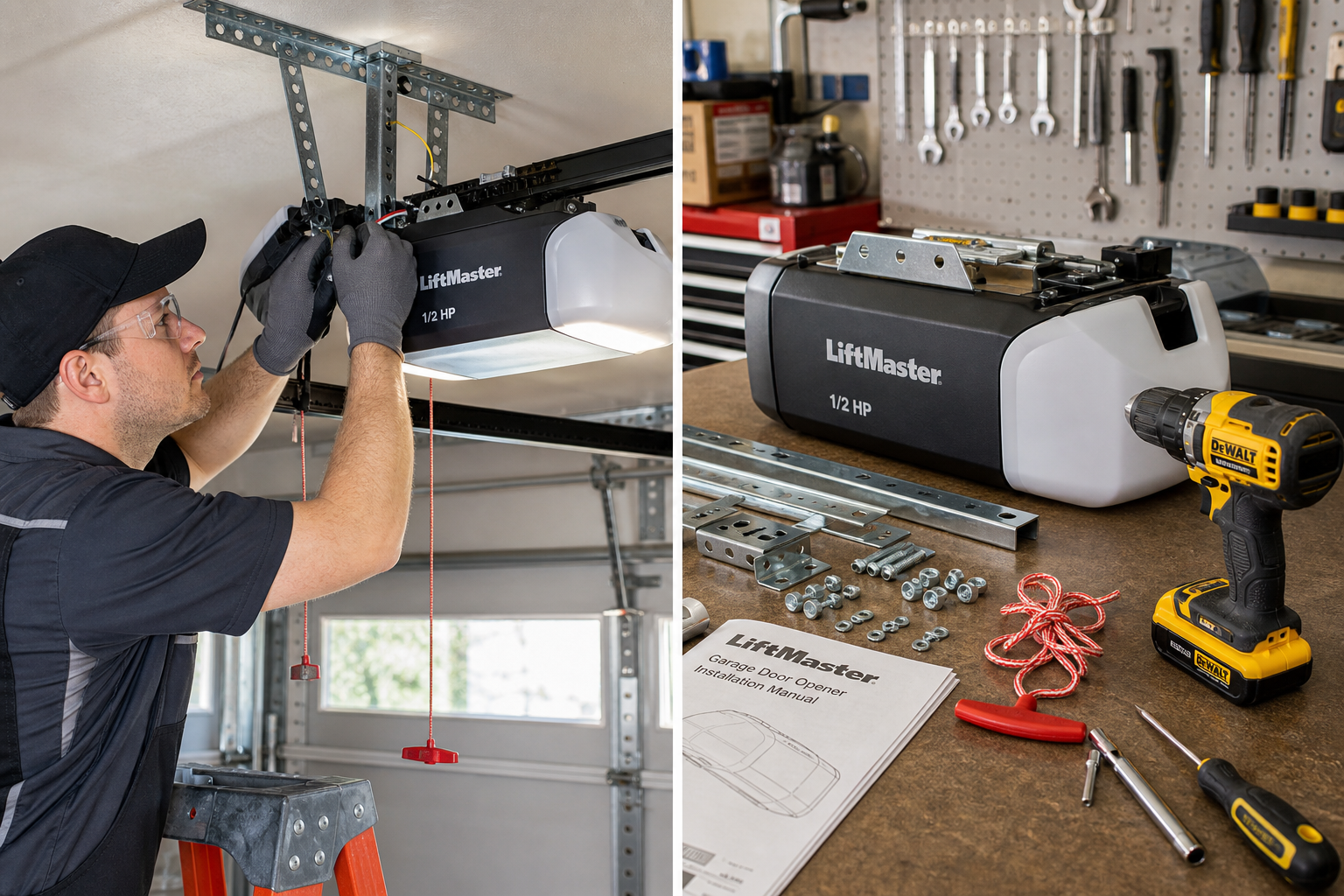
Both motor sizes mount using similar hardware and follow comparable installation procedures. The main difference lies in electrical requirements and initial setup complexity.
1.5 hp units often include additional features like battery backup, smartphone connectivity, and enhanced security. These features add convenience but also create more potential failure points over time.
Maintenance schedules remain identical regardless of motor size. Every 6 months, lubricate moving parts, tighten hardware, test auto-reverse functions, and visually inspect springs and cables. This routine takes about 20 minutes and prevents most common problems.
Long-term Reliability
Both motor sizes provide similar lifespans (10-15 years) when properly matched to door requirements. Using a 1.25 hp motor on an appropriate door doesn’t reduce longevity compared to oversizing with 1.5 hp.
Proper spring balance affects motor life more than horsepower ratings. If your door is getting heavy or showing signs of wear, consider our guide on garage door stopping halfway for spring-related troubleshooting.
Additional Maintenance Tips
Lubrication is the cheapest, most effective maintenance. Apply white lithium grease or silicone-based lubricant to hinges, rollers (unless sealed nylon), spring coils, and track contact points every 6 months. Skip WD-40 for this task since it’s a solvent that displaces moisture but doesn’t provide lasting lubrication.
Check your weatherstripping regularly for gaps or damage. Proper sealing reduces strain on the opener by preventing drafts that can affect door balance. Our garage door weather stripping replacement guide covers this maintenance task in detail.
Making Your Decision
Choose 1.5 hp if you have a solid wood door over 300 pounds, a door wider than 16 feet, high-lift tracks, or extreme temperature conditions. The extra power ensures reliable operation and prevents premature motor failure.
Choose 1.25 hp for standard steel, aluminum, or composite doors under 400 pounds with standard lift tracks. This provides adequate power while keeping costs reasonable and avoiding unnecessary complexity.
Set a realistic timeline and budget before buying anything. Most garage door opener installations take 50% longer than initial estimates, especially for first-timers. Build that buffer into your plan so unexpected discoveries don’t derail the project.
Research local building codes and permit requirements for your specific project. Electrical work often requires permits and inspections. Working without required permits can create liability issues and insurance complications.

Garage Door Opener 1.5 HP
Ideal for heavy wood doors and high-lift configurations
The Bottom Line
Both options have real strengths, and neither is universally superior. Your door weight, size, climate, and usage patterns determine the better fit. Pick whichever checks more of your requirements and commit confidently.
Still undecided? Start with the lower-cost option if your door falls into the standard category. You can always upgrade later once you have firsthand experience with the performance in your specific setup.
For additional weatherproofing while you’re upgrading, consider quality garage door weatherstrip to complete your installation.
Frequently Asked Questions
How do I know if my door is too heavy for a 1.25 hp opener?
Disconnect the opener and test the door manually. If it takes significant effort to lift or doesn’t stay at the halfway point, your springs need adjustment or your door requires more power. Doors over 400 pounds typically need 1.5 hp motors.
Can I upgrade from 1.25 hp to 1.5 hp later?
Yes, but you’ll need to replace the entire opener unit. The motor, drive mechanism, and often the rail system differ between power ratings. Factor in electrical upgrades if the new unit requires different power requirements.
How often should I test my garage door opener?
Test the auto-reverse function monthly by placing a 2×4 under the door. Test the manual release quarterly. Perform full maintenance (lubrication, hardware check, visual inspection) every 6 months.
Do 1.5 hp openers use significantly more electricity?
No, both motors only draw power during operation. The 1.5 hp motor may use slightly more power per cycle, but the difference in annual electricity costs is negligible for typical residential use.
This article contains affiliate links. We may earn a small commission at no extra cost to you.
