

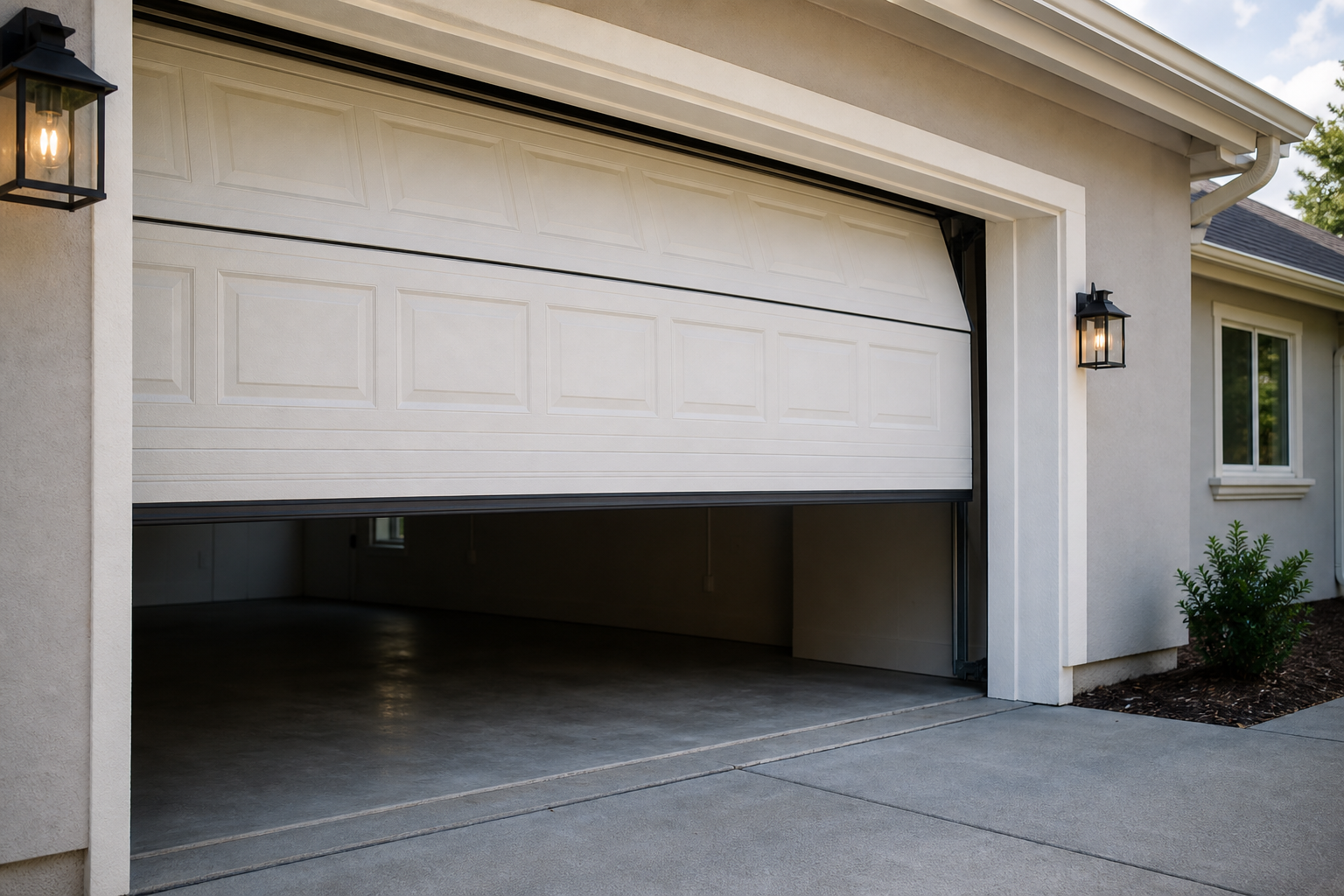
A garage door that stops inches from the floor is more than an annoyance. It lets in cold air, moisture, and pests while creating a security risk. The good thing is most causes have simple fixes you can handle yourself.
This guide walks through the eight most effective solutions, starting with the quickest checks and moving to more involved repairs. Most problems trace back to safety sensors, limit settings, or track issues.
Start with the Manual Test
Before diving into electronics, test the door’s mechanical operation. Pull the red emergency release cord to disconnect the opener, then try moving the door by hand.
If it moves smoothly and holds position at the halfway point, your springs and track system are working properly. The problem lies with the opener or its settings. If the door feels unusually heavy or drifts up or down when you let go, suspect worn springs or track problems.
This simple test saves you time by pointing toward either mechanical or electrical issues right away.
Fix Safety Sensor Problems
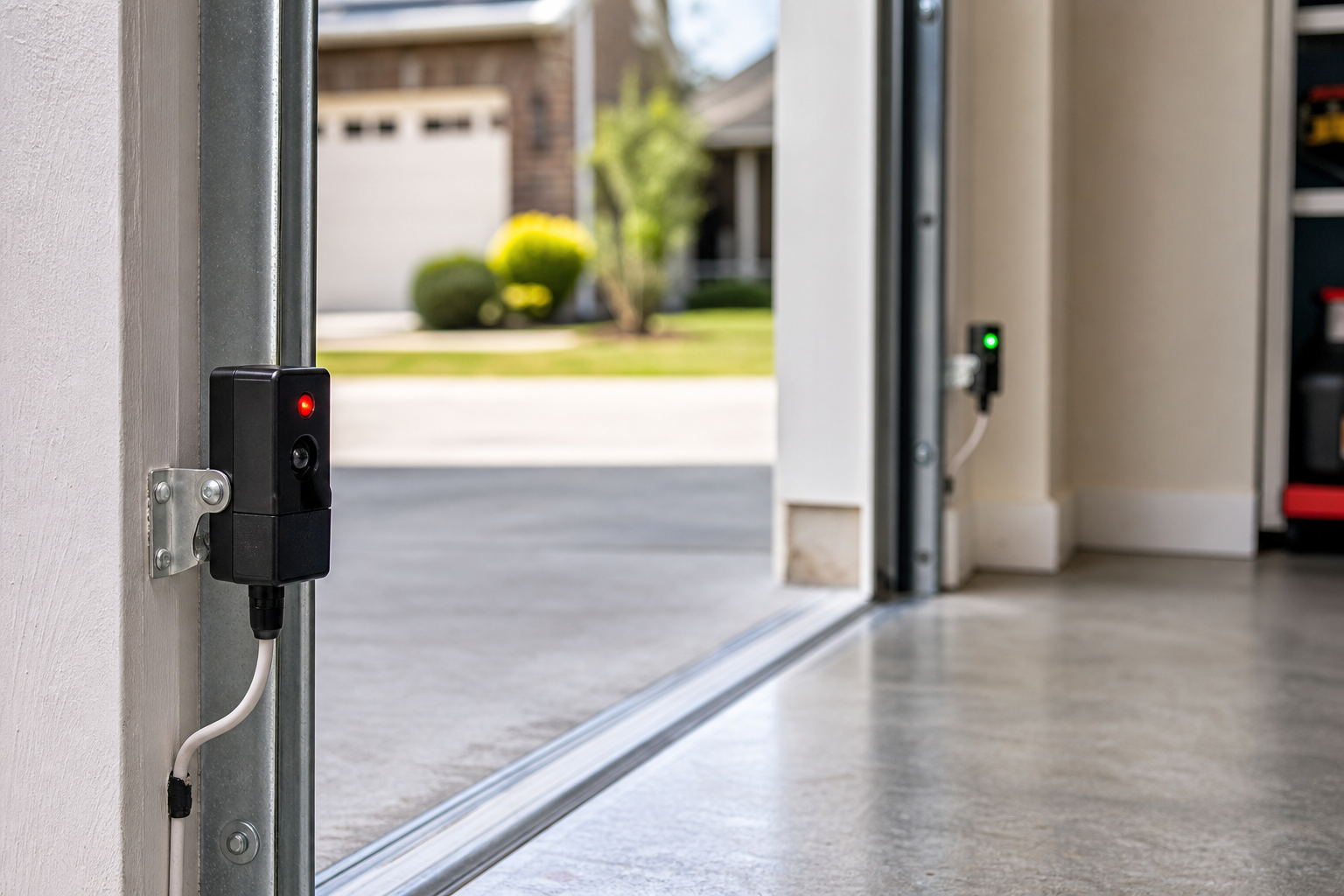
Safety sensors cause about 80% of “won’t close” complaints, and they’re usually the easiest fix. These sensors mount roughly 6 inches above floor level on both sides of the door opening and send an infrared beam across the gap.
When something blocks or misaligns that beam, the door refuses to close completely. Start by cleaning both sensor lenses with a soft cloth. Dust, spider webs, or water spots can interrupt the signal.
Check that both sensors point directly at each other. Look for small LED indicator lights on each unit. One sensor typically shows a solid light while the other blinks when the beam is properly aligned. Gently adjust the sensors until both lights indicate a clear connection.

Garage Door Safety Sensor
Essential backup sensors that install easily and work with most opener brands
For detailed alignment procedures, check our guide on garage door safety sensor alignment.
Inspect and Clean the Tracks
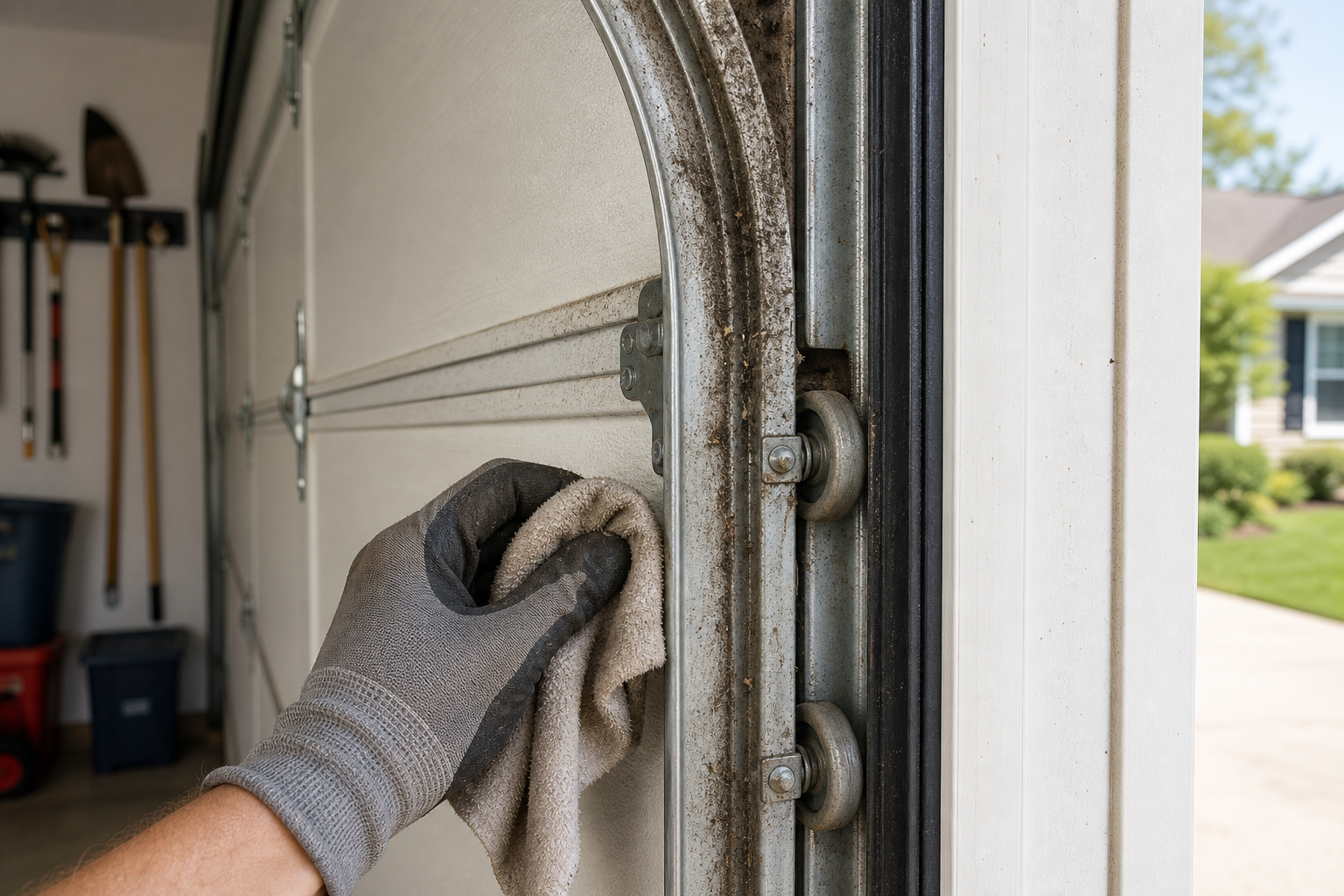
Dirty or damaged tracks prevent smooth door operation. Look for built-up dirt, grease, or debris along the track surfaces where the rollers travel. Small obstructions can cause the door to bind and stop short of full closure.
Clean tracks with a damp cloth and mild household cleaner. Pay special attention to the curved sections where the track transitions from vertical to horizontal. Debris often collects in these areas.
While cleaning, check for dents, bends, or gaps in the track alignment. Minor dents can sometimes be tapped out with a rubber mallet, but significant damage requires professional track replacement or realignment.
Adjust the Close Limit Settings
Travel limit settings tell your opener where the door’s fully closed position should be. If the close limit is set too far, the door hits the floor and keeps trying to close, triggering the auto-reverse safety feature. Set too short, and the door stops above the floor.
Look for small adjustment screws on your opener unit, usually labeled “up” and “down” or marked with arrows. The exact location varies by manufacturer, so check your owner’s manual for specifics.
Make tiny adjustments, no more than a quarter-turn at a time. Test the door after each adjustment to see how it affects the closing position. This process requires patience but usually solves limit-related closing problems.
Our detailed guide on garage door opener travel limits adjustment covers the process for major opener brands.
Check the Force Settings
Modern garage door openers have adjustable force settings that determine how much pressure the motor applies when opening and closing. If the close force is set too low, the door stops when it encounters normal resistance from weatherstripping or slight track friction.
Force adjustment controls are typically small screws or dials near the limit switches on your opener. Increase the down force gradually, testing after small adjustments. Be careful not to set it too high, as excessive force can damage the door or create safety hazards.
For specific adjustment procedures, see our guide on garage door opener force settings adjustment.
Address Spring Problems
Broken or worn springs dramatically affect door operation. A broken torsion spring produces a loud bang and makes the door extremely heavy to lift manually. Extension springs can break too, causing the door to hang unevenly or operate erratically.
This is not a DIY repair. Torsion springs store enough energy to cause serious injury or death if they snap during amateur repair attempts. Extension springs also pose risks due to the tension they carry.
Call a trained garage door technician for any spring-related work. The cost of professional service is minimal compared to the medical bills from a spring accident.
Lubricate Moving Parts
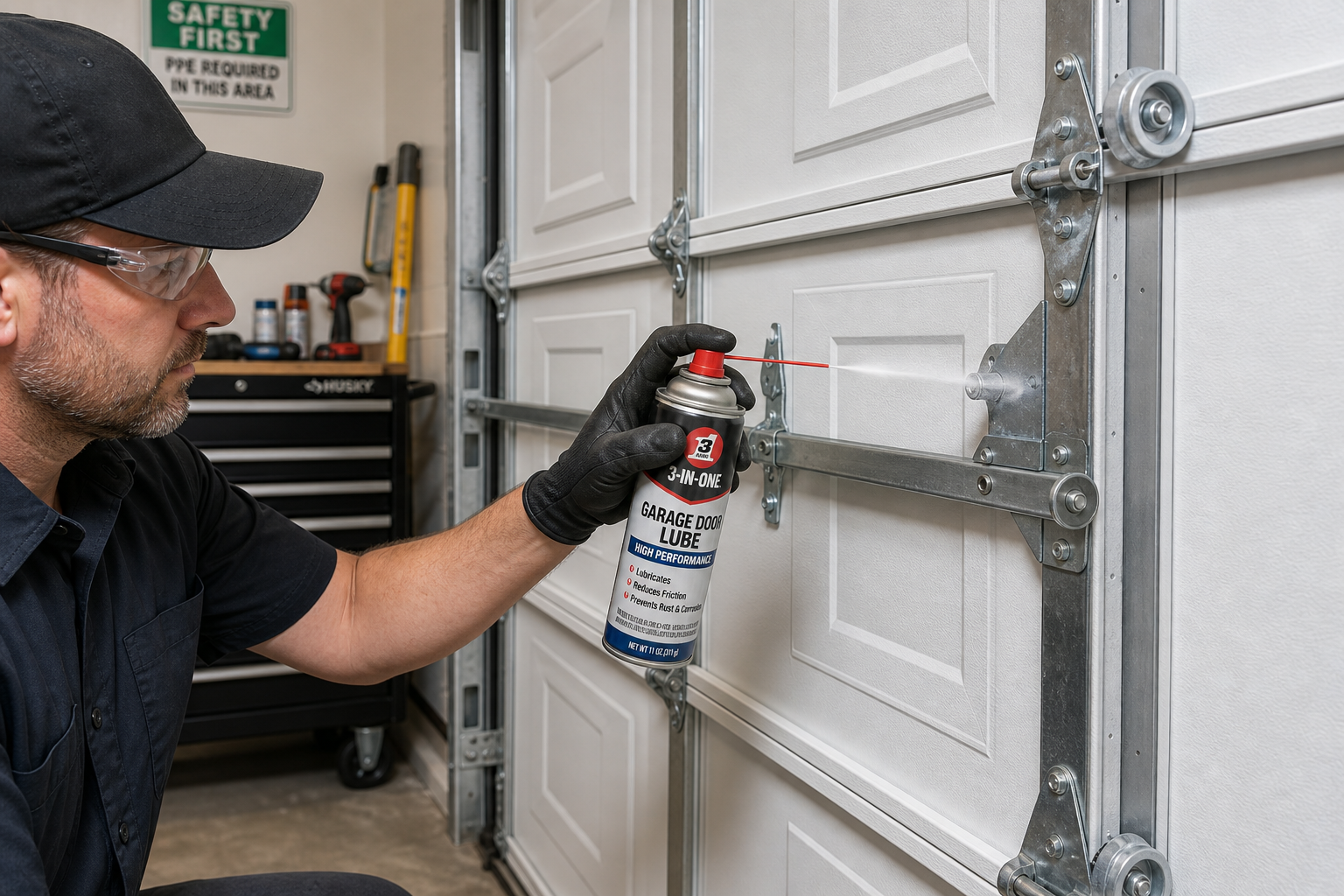
Proper lubrication prevents binding and reduces wear on all moving components. Apply white lithium grease or silicone-based lubricant to hinges, rollers (unless they’re sealed nylon), spring coils, and track contact points every six months.
Avoid WD-40 for this job. While WD-40 displaces moisture and loosens stuck parts, it’s not a long-term lubricant. It evaporates over time and can actually attract more dirt and debris.
Focus on the pivot points where metal rubs against metal. A few drops or a light coating is sufficient. Over-lubrication attracts dirt and creates sticky buildups that cause more problems than they solve.
Examine the Weatherstripping
Worn or damaged weatherstripping along the bottom of the door can interfere with proper closure. If the weatherstripping is compressed, cracked, or pulling away from the door, it may prevent the door from seating properly against the floor.
Check that the weatherstripping makes even contact across the entire width of the door. Uneven contact often indicates a bent door panel or warped frame that needs professional attention.
Replacing weatherstripping is a straightforward DIY project that improves both door operation and energy efficiency. Our garage door weather stripping replacement guide walks through the complete process.

Garage Door Weatherstripping
Universal weatherstripping that fits most residential garage doors and improves energy efficiency
When to Call a Professional
Some garage door problems require professional expertise for safety and proper repair. Call a technician if you encounter broken springs, damaged cables, bent tracks, or electrical problems with the opener motor.
Also consider professional help if you’ve tried the basic fixes without success. Sometimes multiple small issues combine to create complex problems that need an experienced eye to diagnose properly.
When shopping for a new opener, consider models with battery backup for power outages. Check our comparison of the best garage door openers with battery backup for current recommendations.
Maintenance Tips for Long-Term Reliability
Regular maintenance prevents most garage door problems before they start. Test your door’s balance monthly by disconnecting the opener and lifting the door manually to the halfway point. It should stay put without drifting up or down.
Clean and lubricate moving parts twice yearly, typically in spring and fall. This schedule aligns with seasonal weather changes that affect door operation.
Keep safety sensors clean and properly aligned. Monthly visual checks take seconds but prevent frustrating malfunctions.
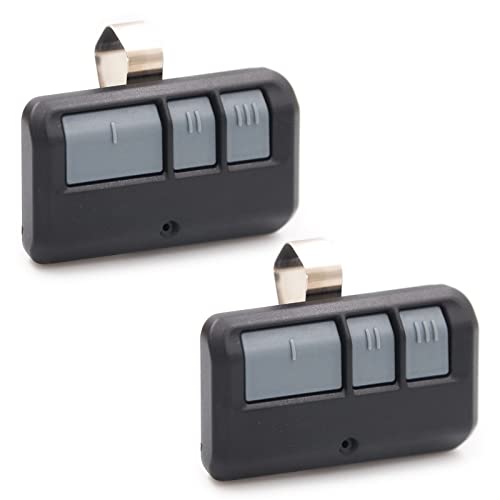
Garage Door Opener
Reliable replacement openers with modern safety features and smartphone connectivity options
If you’re dealing with related issues, our guide on garage door stops halfway problems covers additional troubleshooting steps for partial operation problems.
Frequently Asked Questions
Why does my garage door close but then immediately open again?
This usually indicates that the close force setting is too high, causing the door to think it hit an obstruction when it reaches the floor. It could also mean the close limit is set too far, making the motor continue pushing after the door is fully closed. Adjust both settings in small increments until the door closes and stays closed.
Can I bypass the safety sensors temporarily to test if they’re the problem?
While some openers allow sensor bypass by holding the wall button continuously while closing, this defeats an important safety feature. It’s safer to clean and realign the sensors properly rather than bypass them, especially if children or pets use the garage area.
How do I know if my garage door springs are wearing out?
Warning signs include the door feeling heavier than usual when lifting manually, visible gaps in torsion spring coils, the door closing too fast or jerky operation. Springs typically last 7-10 years with normal use, but this varies based on door weight and usage frequency.
Should I upgrade to a smart garage door opener?
Smart openers offer convenience features like smartphone control and status notifications, but they won’t fix mechanical problems with door operation. Solve any closing issues first, then consider upgrading for the added functionality and security features smart openers provide.
This article contains affiliate links. We may earn a small commission at no extra cost to you.
