

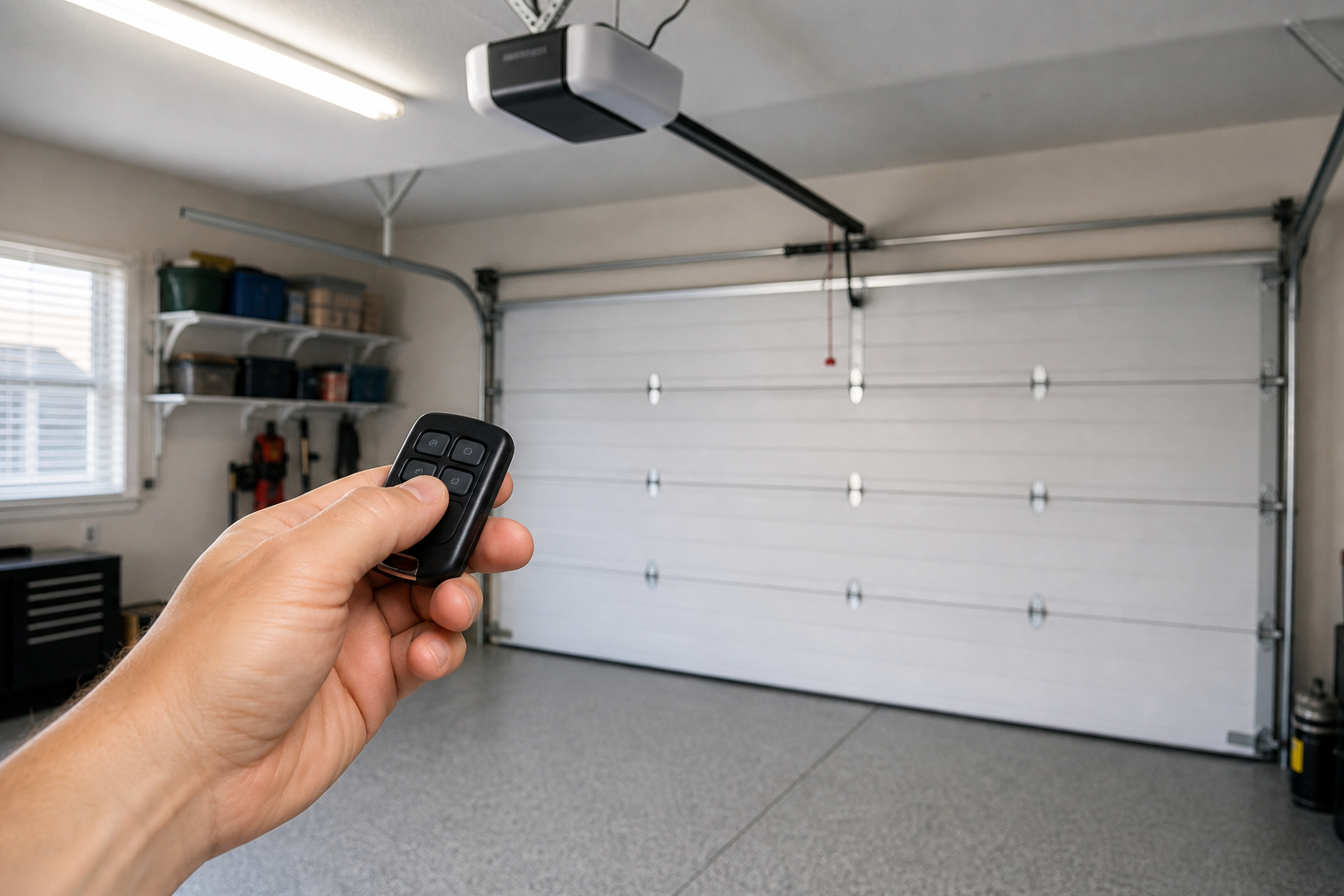
If your garage door remote range is too short, you’re dealing with one of the most reported garage issues. Climate, age, and usage all play a role, but the root causes fall into a surprisingly short list.
This troubleshooting guide covers each possibility with clear explanations and actionable fixes. By the end, you’ll have the problem solved or know exactly what to tell a technician.
Understanding the Basics
Start troubleshooting by disconnecting the opener (pull the red emergency release cord) and testing the door by hand. If it moves smoothly and holds at the halfway point, the mechanical system is fine and the problem is in the opener or electronics. If the door is heavy or drifts, suspect the springs.
Safety sensors mount about 6 inches above floor level on both sides of the door opening. They send an infrared beam across the gap. If anything blocks or misaligns that beam, the door won’t close. Sensor issues are the number-one cause of “door won’t close” complaints and are almost always a quick fix.
Sensor alignment problems can drastically reduce your remote’s effective range. For detailed guidance on fixing these issues, check our garage door safety sensor alignment guide.
Lubrication is the cheapest, most effective maintenance. Apply white lithium grease or silicone-based lubricant to hinges, rollers (unless sealed nylon), spring coils, and track contact points every 6 months. Skip WD-40 for this; it’s a solvent that displaces moisture but doesn’t provide lasting lubrication.
Troubleshooting Antenna Problems
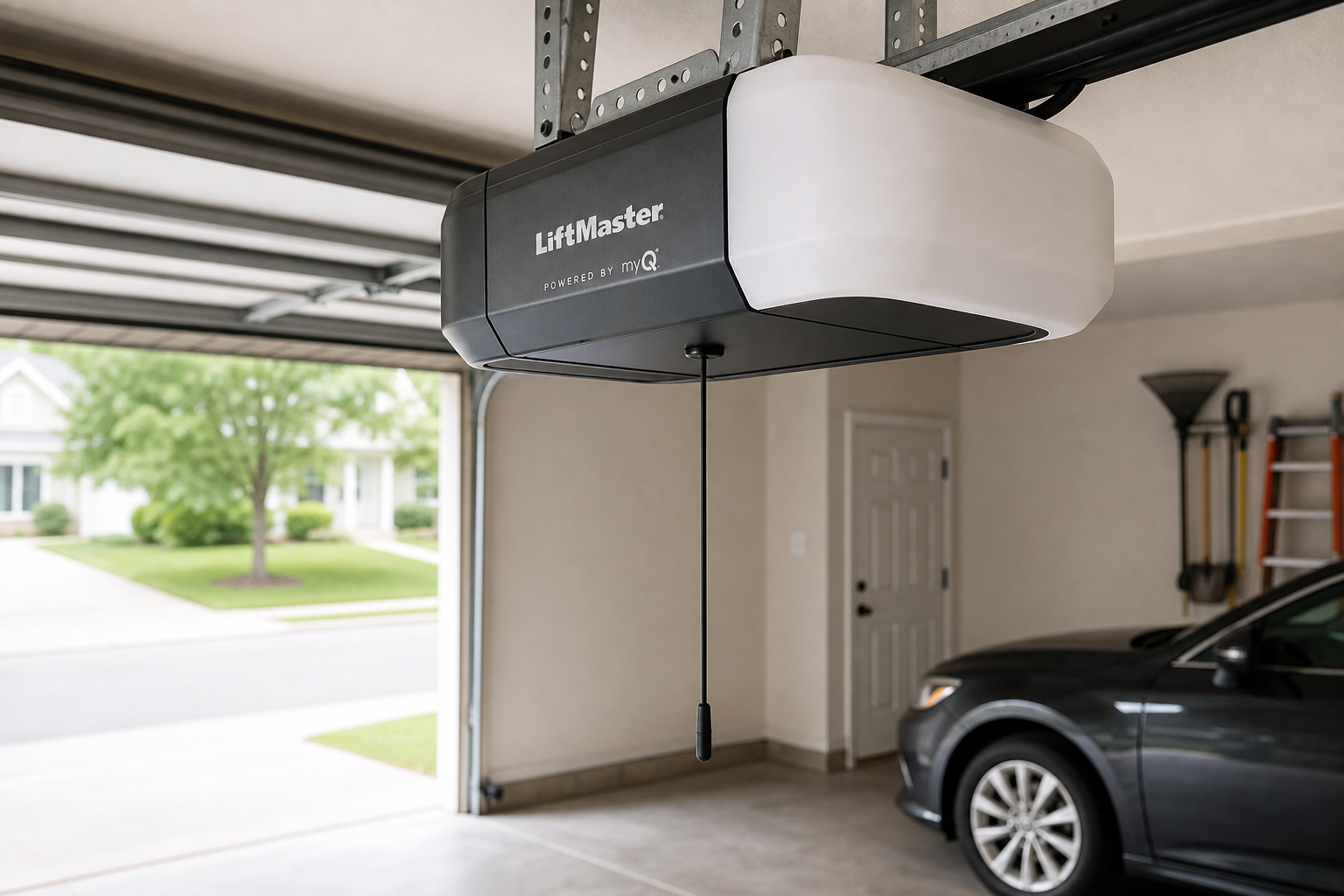
The opener’s antenna (a short wire hanging from the motor unit) significantly affects remote range. If it’s coiled up, tucked away, or broken, range drops dramatically. Straighten it to hang vertically, clear of metal surfaces. This often restores full range for remotes that only worked directly under the opener.
For severely limited range, an antenna extension might be necessary. This upgrade can dramatically improve signal reach, especially in garages with thick walls or metal construction.
Check specific requirements before purchasing materials. Measure the area, note unusual conditions (extreme temps, high humidity, uneven surfaces), and read product specs carefully. A mismatch between your conditions and the product’s rated range is the most common cause of unexpected failures.
Expect at least one surprise during the project. Hidden moisture, non-standard dimensions, or outdated wiring are common discoveries. Having backup materials and a flexible timeline reduces the stress when they appear.
Quality weatherstripping can also improve your garage’s overall performance by reducing interference from environmental factors. Proper sealing keeps moisture and debris from affecting your opener’s electronics.
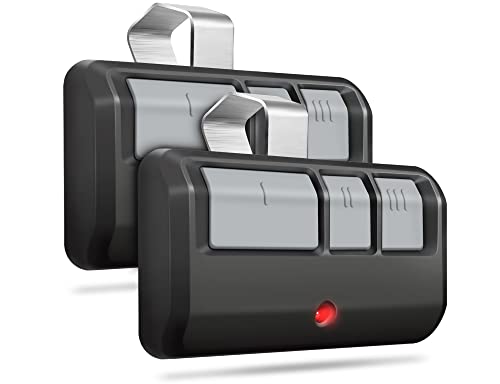
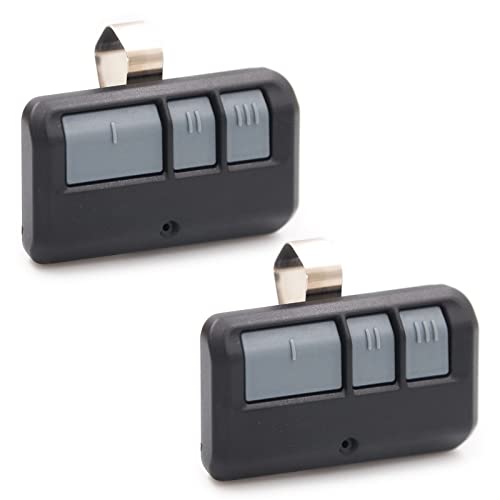
Garage Door Remote
Universal remotes work with most opener brands and offer better range than aging factory units
Battery Issues and Power Problems
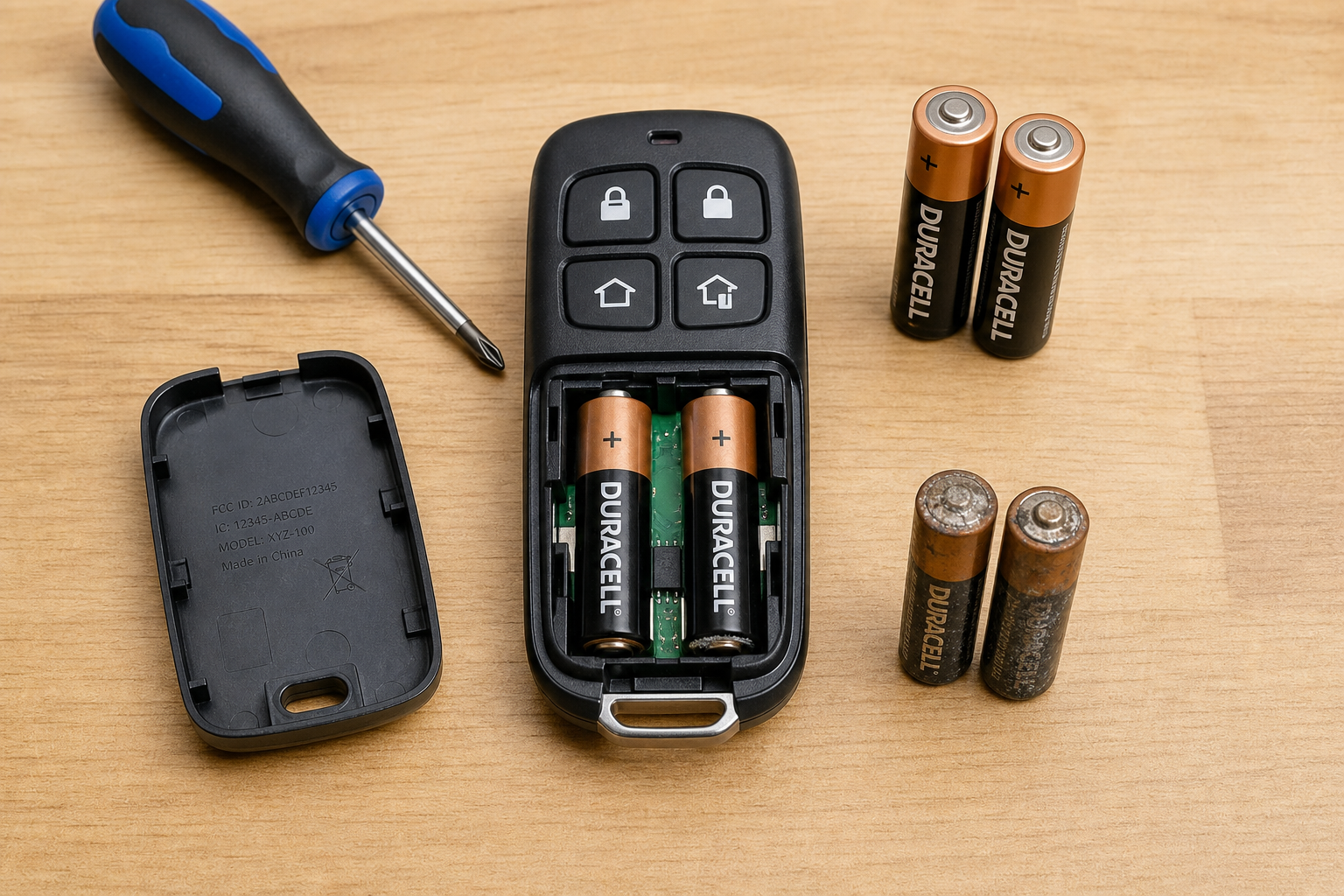
Battery problems are often overlooked but cause most range issues. Replace batteries annually, even if the remote still works. Weak batteries reduce transmission power long before the remote stops working entirely.
Modern smart openers and repeater installation can extend range significantly. Understanding the specifics of your situation helps you choose the right approach. Your garage’s age, construction type, and local climate all influence what works best and what to avoid.
Follow manufacturer instructions exactly, even when online tutorials suggest shortcuts. Formulations differ between brands; what works for one product can cause failure with another. If the data sheet says 4 hours between coats at 60 degrees minimum, those numbers aren’t suggestions.
Factor in maintenance when choosing your approach. The lowest-maintenance option isn’t always cheapest initially, but it usually wins over a 5 to 10-year window when you include touch-ups, repairs, and replacements.
Additional Considerations
A garage door system includes panels, tracks, rollers, springs (torsion or extension), cables, hinges, weatherstripping, and the opener with its motor, drive mechanism, and safety sensors. When symptoms appear, the root cause isn’t always in the most obvious component.
Opener horsepower affects signal strength and range. If you’re considering an upgrade, our 1.25 HP vs 1.5 HP comparison guide can help you choose the right power level for your door size and usage.
For those dealing with power outages, battery backup openers maintain full functionality including remote operation during electrical disruptions.
Garage Door Opener
Belt-drive models offer quieter operation and longer range than chain-drive alternatives
Practical Planning Tips
Set a realistic timeline and budget before buying anything. Most garage projects take 50% longer and cost 20% more than initial estimates, especially for first-timers. Build that buffer into your plan so unexpected discoveries don’t derail the entire project or blow the budget.
Prioritize your projects based on impact and urgency. Safety issues (faulty wiring, CO risk, structural problems) come first. Comfort improvements (insulation, lighting, climate control) come second. Cosmetic upgrades (floor coatings, paint, organization systems) come last. Following this order ensures you’re building each improvement on a solid foundation.
Research local building codes and permit requirements for your specific project. Electrical work, structural modifications, and HVAC installations often require permits and inspections. Working without required permits can create liability issues, insurance complications, and problems when selling the home.
When to Call a Professional
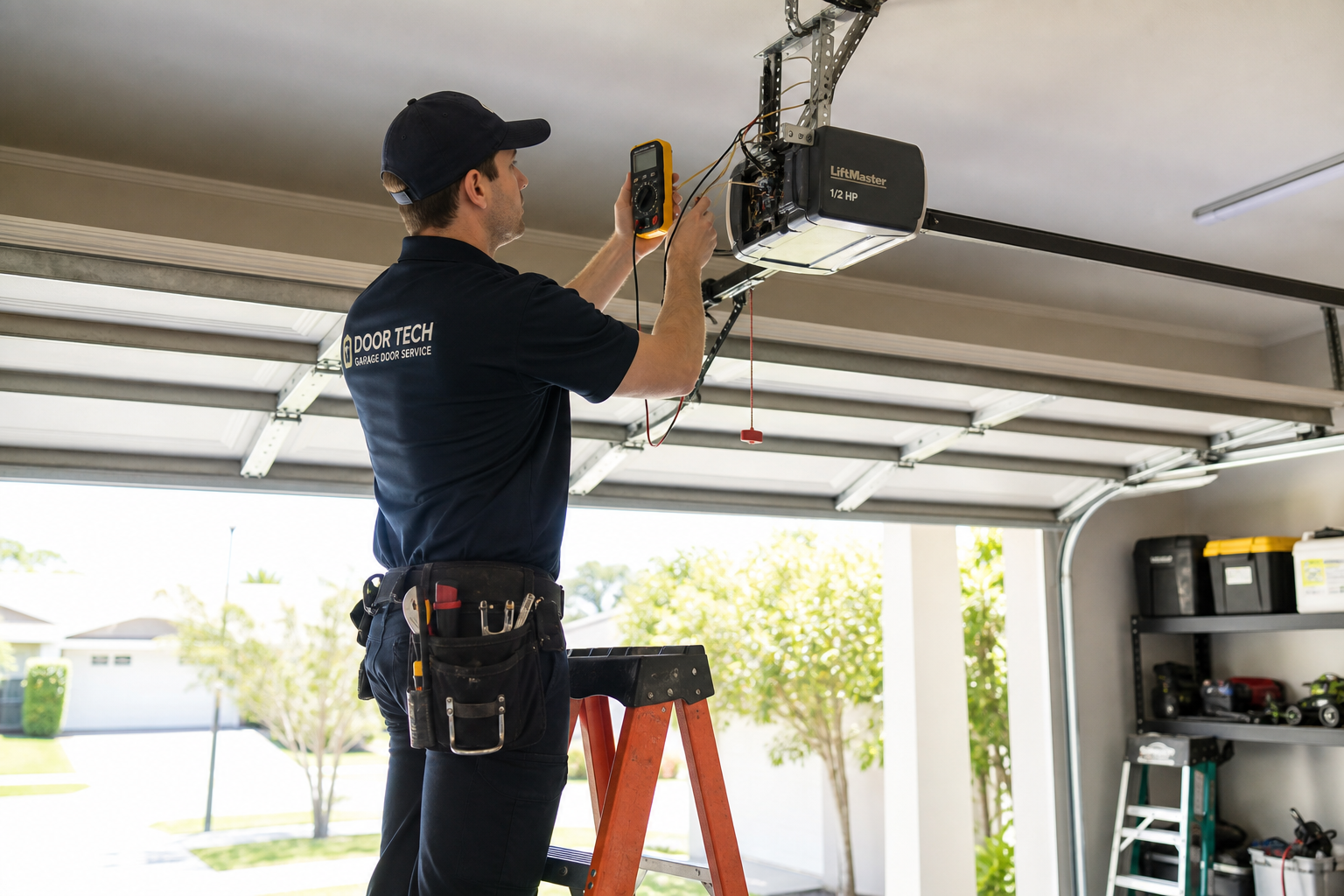
DIY covers most of what’s listed above, but some situations need professional help. High-voltage electrical work, garage door spring replacement, structural modifications, and commercial-grade coatings requiring specialized equipment are all worth outsourcing. A botched repair often costs more to fix than hiring the right person from the start.
Get two to three quotes, verify licensing and insurance, and ask for recent references. A reputable contractor explains the process clearly, provides a written estimate, and backs the work with a written warranty.
If travel limit adjustments don’t solve your range issues, the problem might be in the opener’s internal programming settings or force calibration.
Frequently Asked Questions
How long do garage door openers last?
10 to 15 years with regular maintenance. Belt-drive units tend to outlast chain-drive models. Motors, boards, and gears wear first.
Should I replace garage door springs myself?
Torsion springs store enough energy to cause serious injury. This repair should always go to a trained technician with proper tools.
How often should I service my garage door?
Every 6 months: lubricate moving parts, tighten hardware, test auto-reverse, and visually inspect springs and cables. Takes about 20 minutes.
Can weatherstripping affect remote range?
Yes, gaps around the door can allow moisture and interference into the garage. Proper weatherstripping creates a cleaner environment for your opener’s electronics and can improve signal consistency.
This article contains affiliate links. We may earn a small commission at no extra cost to you.
