

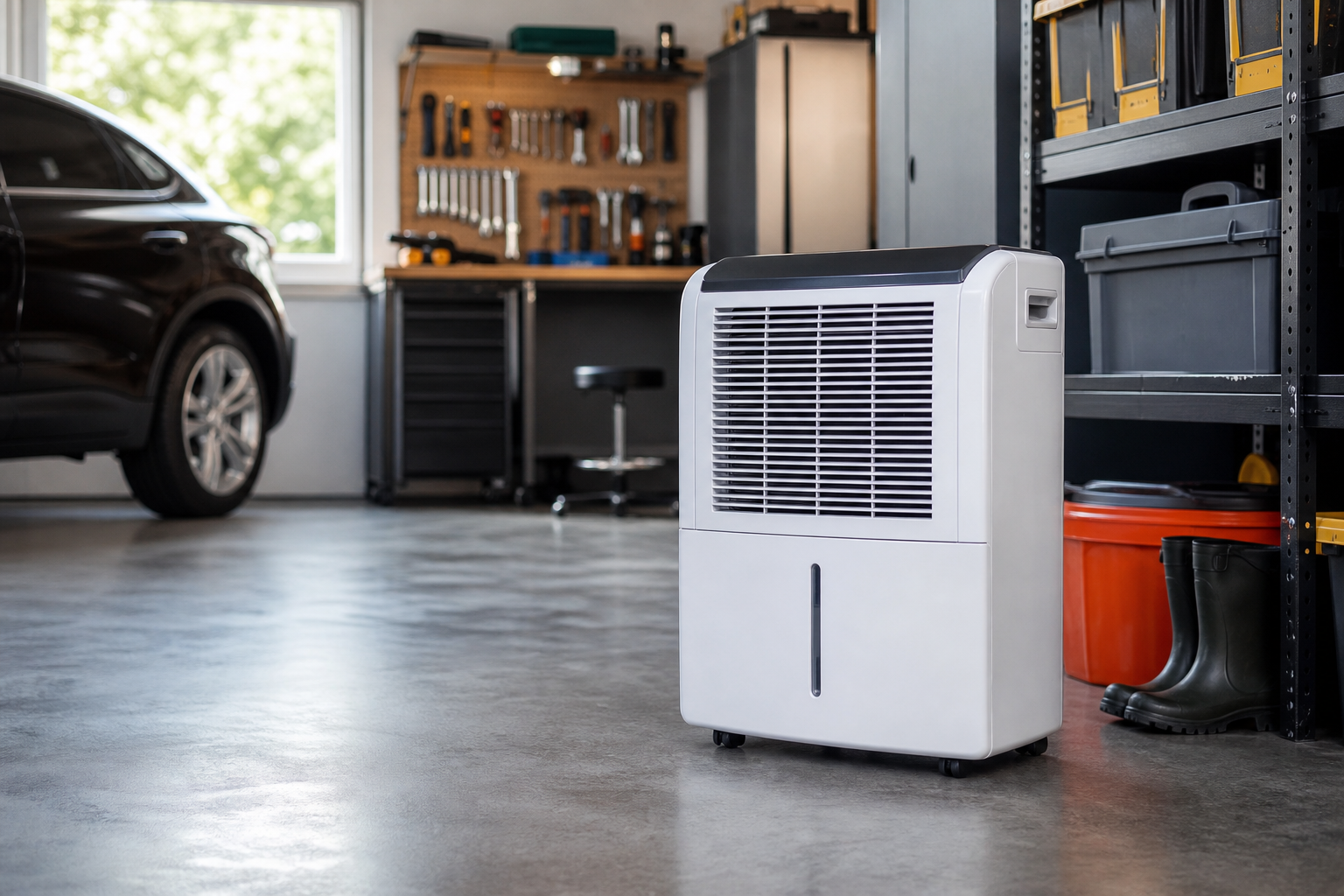
The market for garage dehumidifiers for moisture control keeps growing, giving you more options and more chances to pick wrong. Understanding what separates quality from marketing hype saves real money and frustration.
This guide compares the leading products across the specs that actually matter, with clear recommendations at different price points.
Understanding the Basics
Auto-defrost is critical for garages. Standard units ice up below 65 degrees Fahrenheit and stop working, which happens regularly in unheated garages during spring and fall. Hot-gas defrost cycles keep the unit running in temps as low as 41 degrees.
A 50-pint dehumidifier handles most two-car garages (400 to 600 sq ft) in moderate humidity. For severe conditions or larger spaces, a 70-pint model provides the capacity to hold humidity below the 60% target.
Continuous drain hookup eliminates bucket-emptying. Route a garden hose from the drain port to a floor drain, sump, or outside. This lets the unit run unattended year-round, protecting tools and stored items from humidity damage.
Proper moisture control is especially important if you’re converting your garage for other uses. Whether you’re planning a garage workshop or considering a garage home office, humidity control protects both your workspace and equipment.
35-Pint and 50-Pint Models
This is an area where cutting corners comes back to haunt you. Invest the effort upfront and you’ll save significant time and money over the next several years of use.
Document every product you use: brand, color, batch number, application date. Future touch-ups need exact material matches. Tape the info inside a cabinet door or take a quick phone photo for your records.
Wear appropriate protection throughout: safety glasses, gloves, respirator when working with chemicals or dust. Ventilate when using adhesives, paints, or solvents. These aren’t optional precautions.

50-Pint Garage Dehumidifier with Auto-Defrost
Ideal for most two-car garages with continuous drain capability
70-Pint Dehumidifiers from hOmeLabs
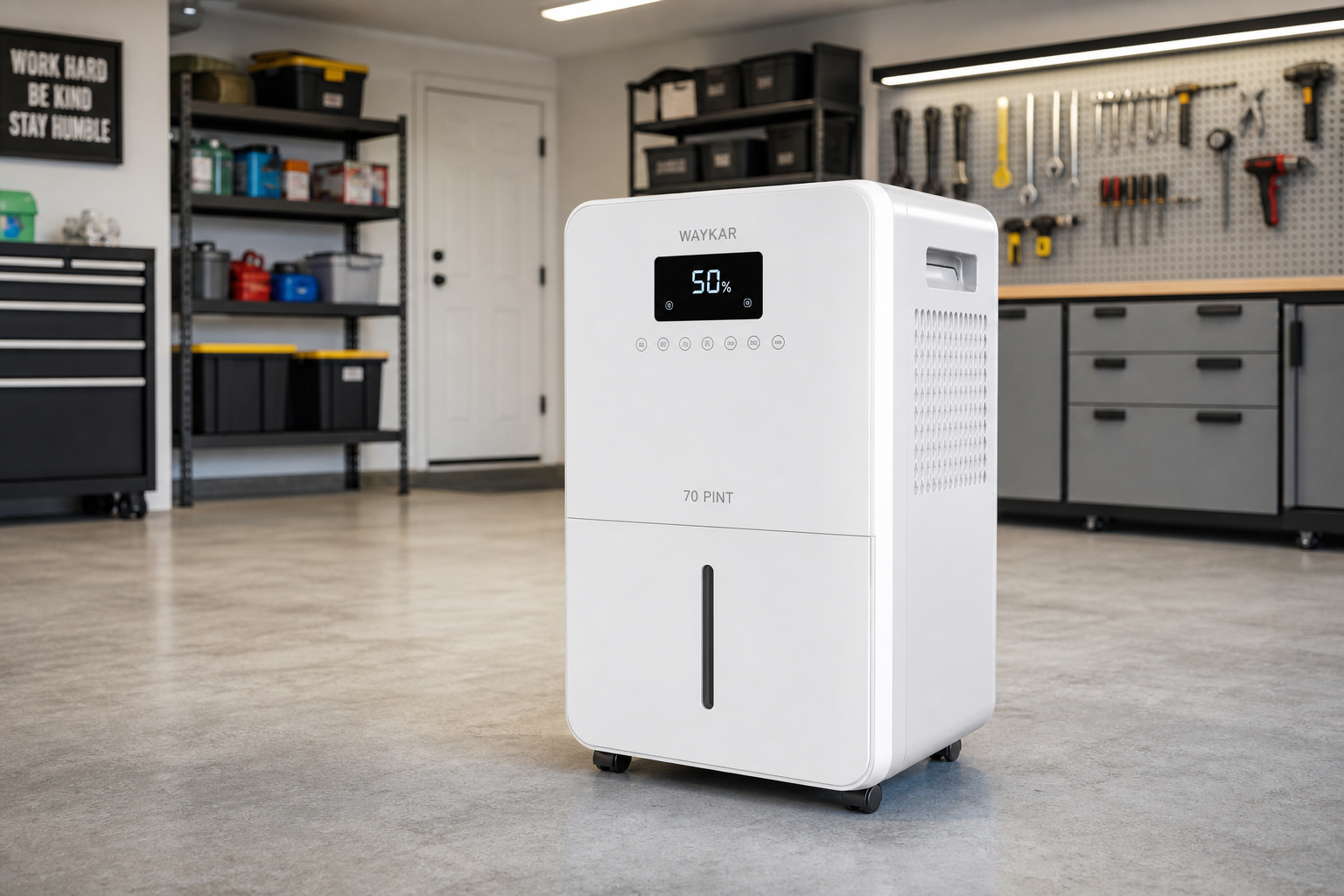
Getting this right requires matching your approach to actual conditions rather than following a generic formula. Climate, surface condition, and usage patterns all influence the best path forward.
Work in small, manageable sections for better quality control. For floor coatings, that means strips the width of your roller from back to front. For wall systems, complete one section fully before starting the next. Rushing large areas creates inconsistencies and errors.
hOmeLabs products have a solid reputation among homeowners. Check current selection and pricing on Amazon, and read recent reviews from buyers with conditions similar to yours.
Auto-Defrost and Continuous Drain Features
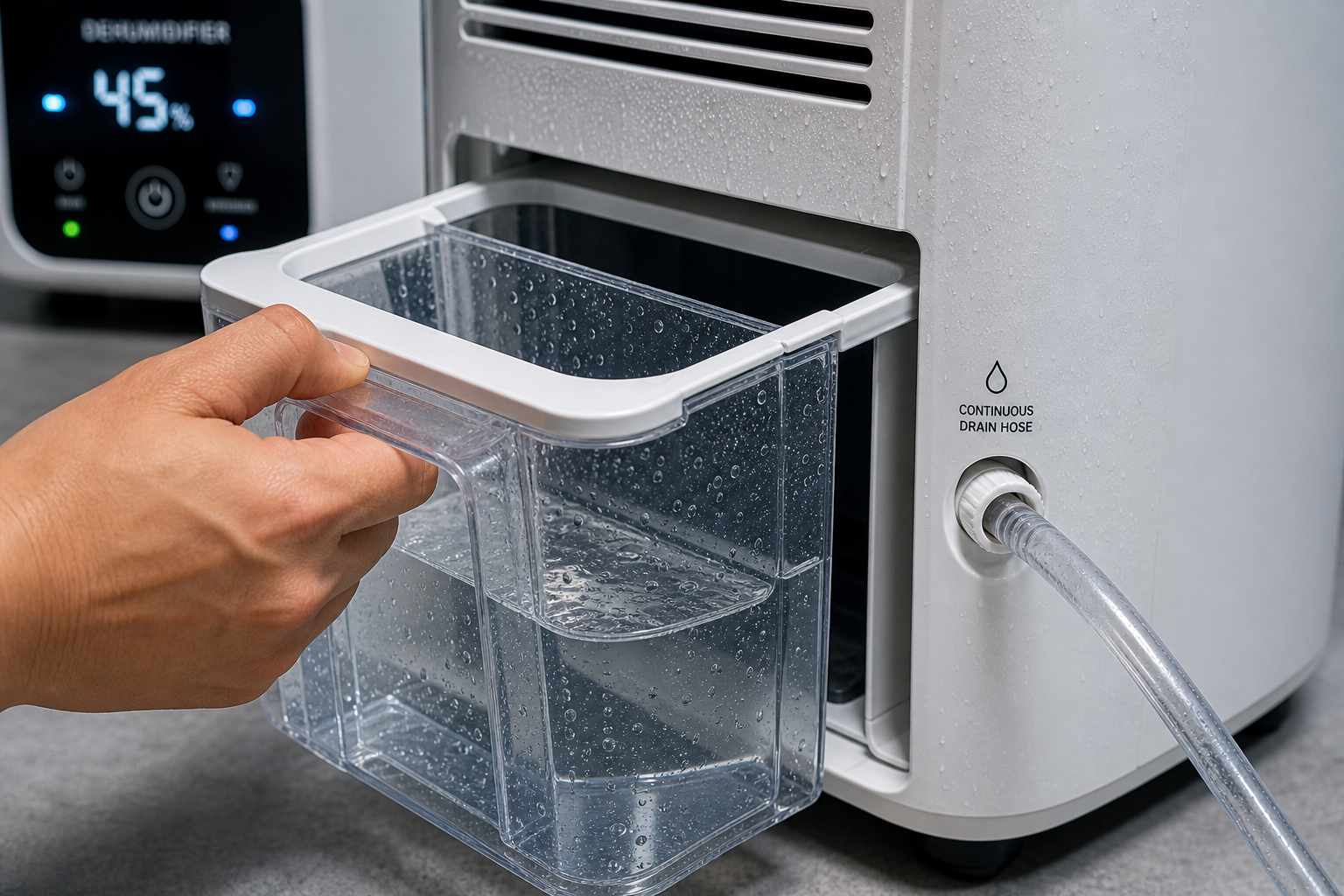
Auto-defrost (critical for unheated garages) and continuous drain hookup are non-negotiable features for garage applications. Getting this right requires matching your approach to actual conditions rather than following a generic formula. Climate, surface condition, and usage patterns all influence the best path forward.
Follow manufacturer instructions exactly, even when online tutorials suggest shortcuts. Formulations differ between brands; what works for one product can cause failure with another. If the data sheet says 4 hours between coats at 60 degrees minimum, those numbers aren’t suggestions.
If this is your first project of this type, budget 50% more time than guides suggest. The learning curve is real, and careful work produces better results than rushing to meet an estimated timeline.
Energy Usage and Noise Considerations
Energy usage and noise level matter for garage installations. Getting this right requires matching your approach to actual conditions rather than following a generic formula. Climate, surface condition, and usage patterns all influence the best path forward.
Keep the workspace organized throughout. Debris and clutter cause errors and safety issues. Clear tools and waste between major steps rather than letting mess accumulate to the end.
Midea offers reliable options in this category. Look past overall star ratings and focus on detailed reviews discussing long-term durability rather than just first impressions.
Consider how this change fits the larger garage picture. Improvements in one area can shift dynamics elsewhere. Better insulation changes humidity patterns. Heavy storage affects the floor underneath. Think about interactions.

Midea 70-Pint Energy Star Dehumidifier
Excellent energy efficiency for year-round garage use
How to Size Your Dehumidifier
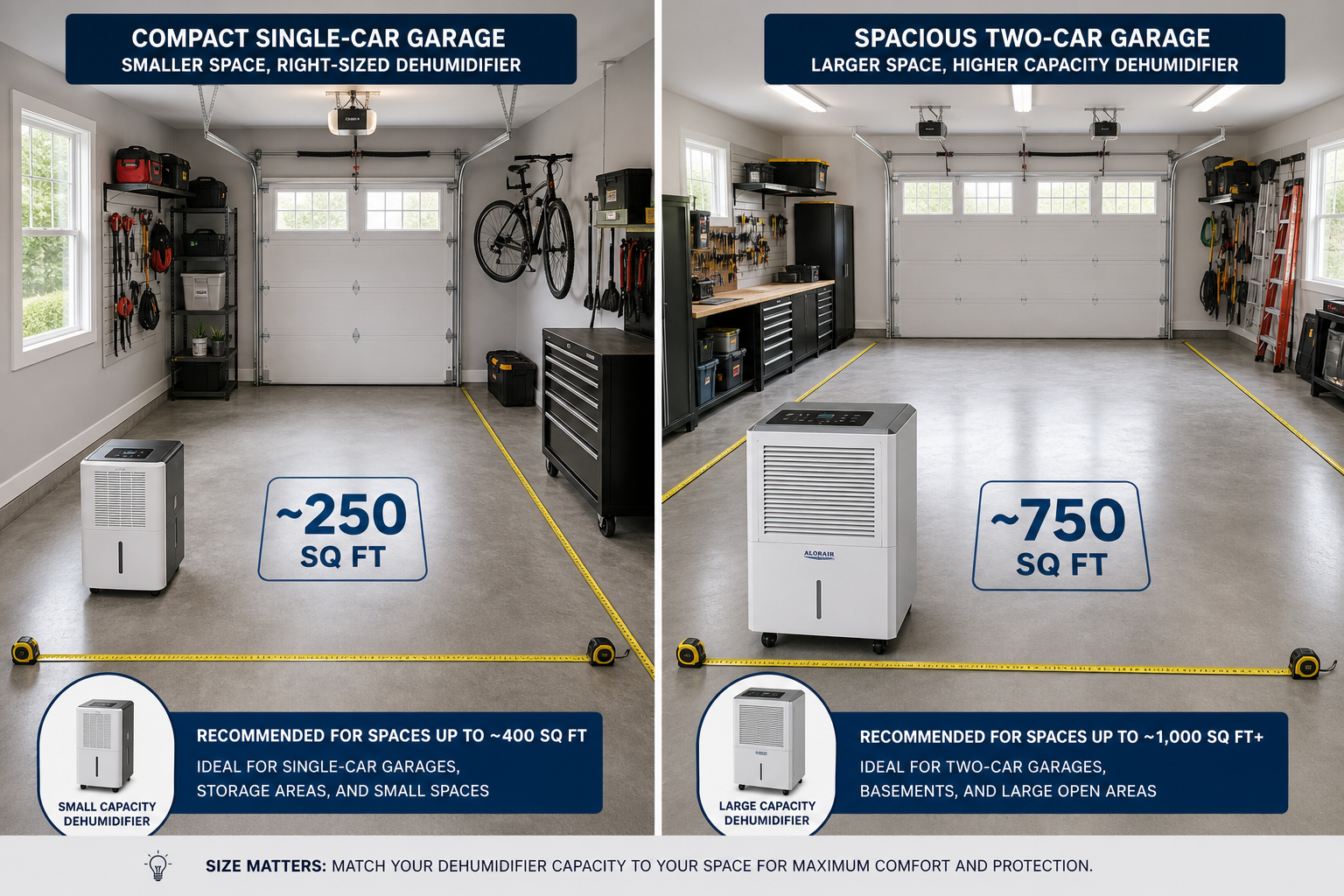
How to size the dehumidifier based on garage square footage and climate zone depends on understanding the specifics of your situation. Your garage’s age, construction type, and local climate all influence what works best and what to avoid.
Check specific requirements before purchasing materials. Measure the area, note unusual conditions (extreme temps, high humidity, uneven surfaces), and read product specs carefully. A mismatch between your conditions and the product’s rated range is the most common cause of unexpected failures.
Expect at least one surprise during the project. Hidden moisture, non-standard dimensions, or outdated wiring are common discoveries. Having backup materials and a flexible timeline reduces the stress when they appear.
For garages that already have issues with weather stripping or need floor sealing work, address these moisture entry points first for maximum dehumidifier effectiveness.
Additional Considerations
A simple plastic sheet test identifies which type you have. Tape a 2-foot square of plastic flat on the floor, seal all edges, and leave it 48 hours. Moisture on top means condensation (humidity issue). Moisture underneath means vapor transmission (slab issue). Different root cause, different fix.
For condensation, a dehumidifier and improved ventilation are the most effective solutions. A 50-pint unit keeps relative humidity below 60% in most two-car garages. Choose a model with auto-defrost if your garage drops below 65 degrees, since standard units ice up in cool conditions.
Proper ventilation works hand-in-hand with dehumidification. Consider adding roof vents or wall-mount fans to improve air circulation throughout your garage.
What to Avoid
Knowing what to skip prevents expensive mistakes:
- Products with vague specs or missing data sheets. If a manufacturer won’t publish details, that’s a red flag.
- Suspiciously cheap deals from unauthorized sellers. Counterfeit products are a real issue on major platforms.
- Unknown brands at rock-bottom prices. Established brands charge more for proven materials and real warranties.
Frequently Asked Questions
Can I handle this as a DIY project?
Most steps are DIY-accessible with basic tools. Electrical, structural, and high-tension spring work should go to licensed professionals.
What mistake should I avoid above all?
Rushing preparation. Whether it’s surface prep, measuring, or reading instructions, upfront time prevents expensive do-overs.
How long will the results last?
Years of reliable performance with quality materials and proper installation. Preparation quality is the single biggest longevity factor.
How much should I budget?
Varies widely by scope and materials. DIY saves significantly on labor. Check current Amazon pricing for accurate material estimates.
This article contains affiliate links. We may earn a small commission at no extra cost to you.
