

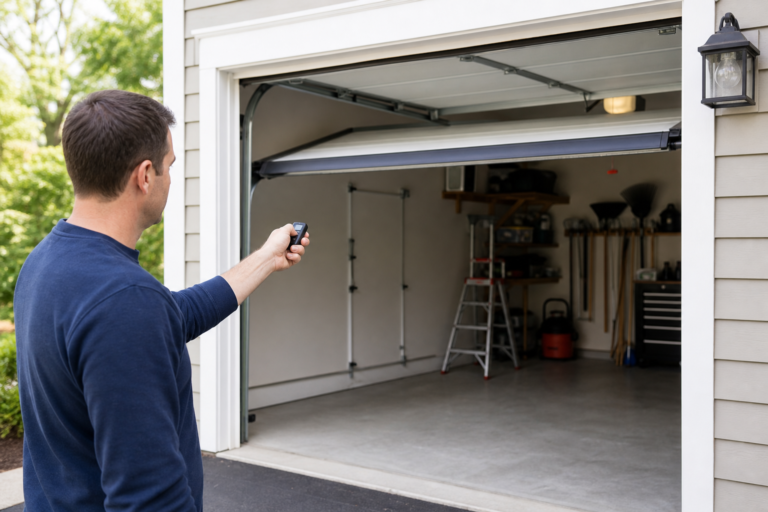
If your garage door opens but won’t close, you’re dealing with one of the most reported garage issues. Climate, age, and usage all play a role, but the root causes fall into a surprisingly short list.
This troubleshooting guide covers each possibility with clear explanations and actionable fixes. By the end, you’ll have the problem solved or know exactly what to tell a technician.
Understanding the Basics
Lubrication is the cheapest, most effective maintenance. Apply white lithium grease or silicone-based lubricant to hinges, rollers (unless sealed nylon), spring coils, and track contact points every 6 months. Skip WD-40 for this; it’s a solvent that displaces moisture but doesn’t provide lasting lubrication.
Safety sensors mount about 6 inches above floor level on both sides of the door opening. They send an infrared beam across the gap. If anything blocks or misaligns that beam, the door won’t close. Sensor issues are the number-one cause of “door won’t close” complaints and are almost always a quick fix.
Start troubleshooting by disconnecting the opener (pull the red emergency release cord) and testing the door by hand. If it moves smoothly and holds at the halfway point, the mechanical system is fine and the problem is in the opener or electronics. If the door is heavy or drifts, suspect the springs.
The Most Common Culprit: Safety Sensor Misalignment
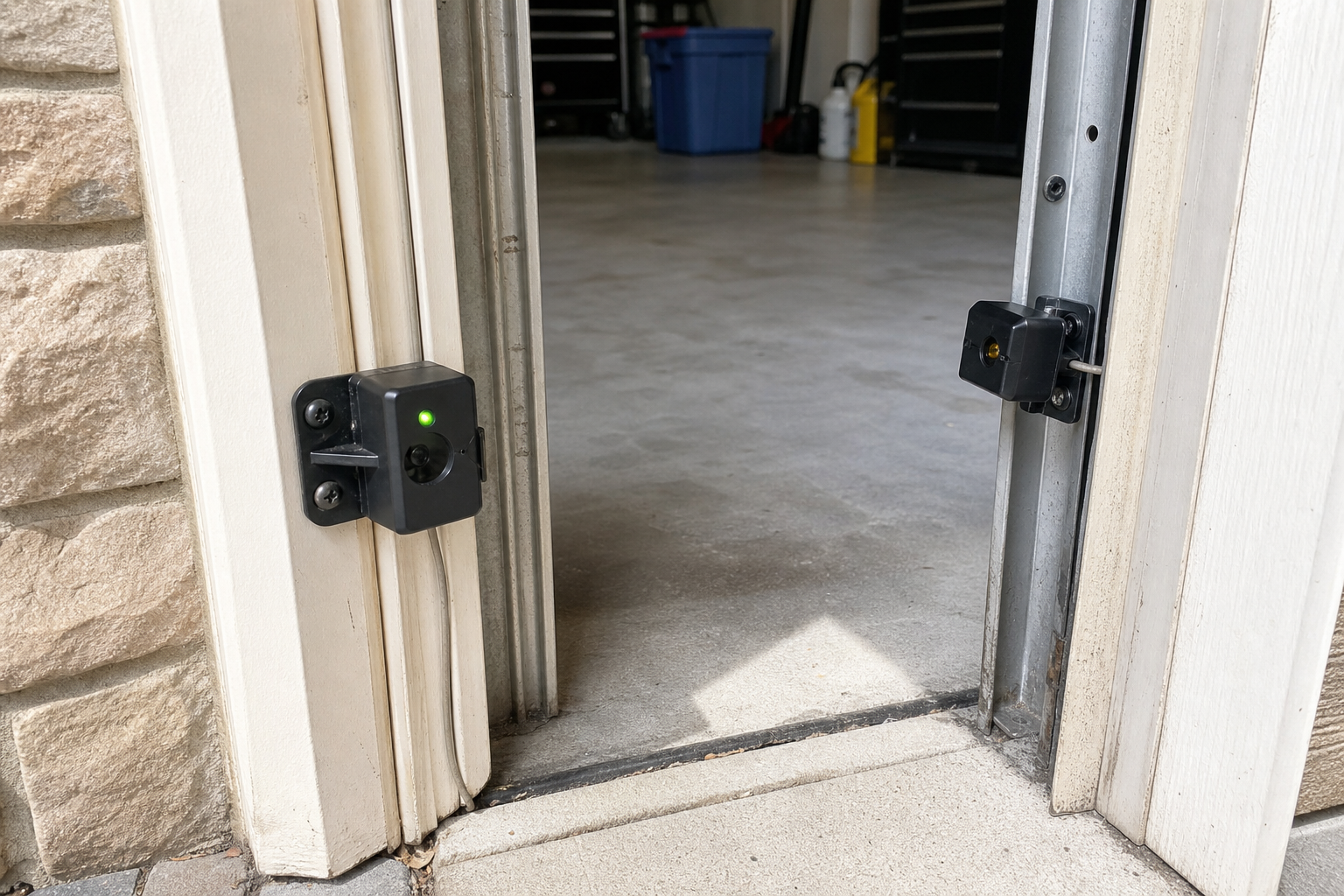
Safety sensor misalignment is the most common reason a garage door won’t close. The sender and receiver must aim precisely at each other across the opening. Even a slight bump from a broom or bike tire knocks them off.
A steady LED on both sensors means alignment is good; a blinking light on the receiver indicates misalignment or beam obstruction. For detailed step-by-step alignment instructions, check out our guide on garage door safety sensor alignment.
Measure twice and commit once. A tape measure and five minutes of verification prevent the mistakes that take hours to fix. This applies doubly to cuts, holes, and any irreversible step.

Garage Door Safety Sensor
Quality sensors make a noticeable difference in reliability
Sunlight Interference
Direct sunlight hitting the receiver overwhelms its infrared detector. This typically happens at specific times when the sun angle lines up with the sensor. A small cardboard or PVC tube (about 6 inches long) over the receiver blocks direct sun without affecting the infrared beam. Simple, free, and permanent.
Work in small, manageable sections for better quality control. Expect at least one surprise during the project. Hidden moisture, non-standard dimensions, or outdated wiring are common discoveries. Having backup materials and a flexible timeline reduces the stress when they appear.
Broken Springs or Cables
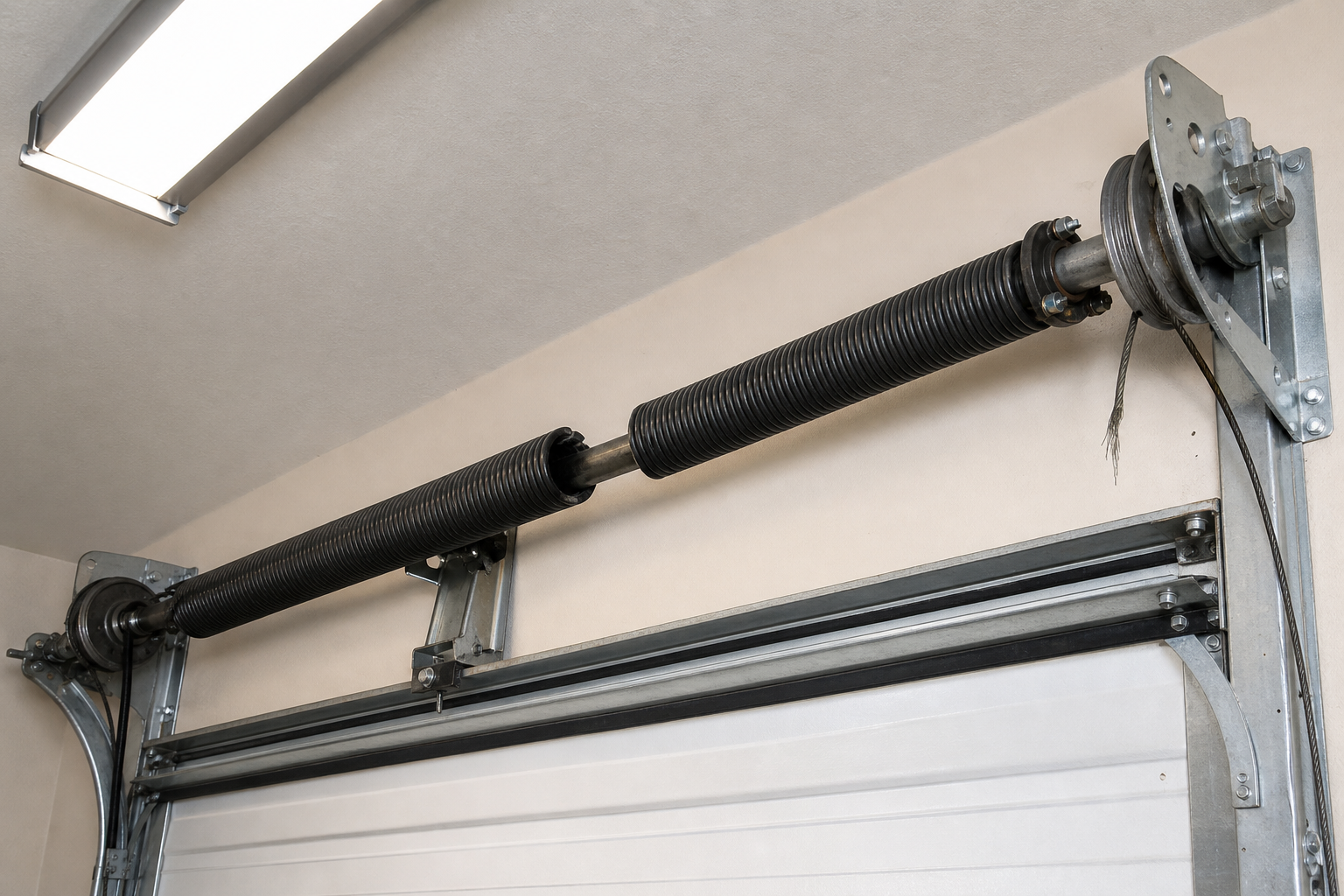
A broken torsion spring produces a loud bang and makes the door extremely heavy to lift by hand. Extension springs can break too, causing the door to hang unevenly. This is not a DIY repair. Torsion springs store enough energy to cause serious injury. Always hire a trained technician for spring work.
Follow manufacturer instructions exactly, even when online tutorials suggest shortcuts. Formulations differ between brands; what works for one product can cause failure with another.
If your garage door is stopping halfway during operation, it could be related to spring tension or other mechanical issues that share similar troubleshooting approaches.
A Systematic Diagnostic Approach
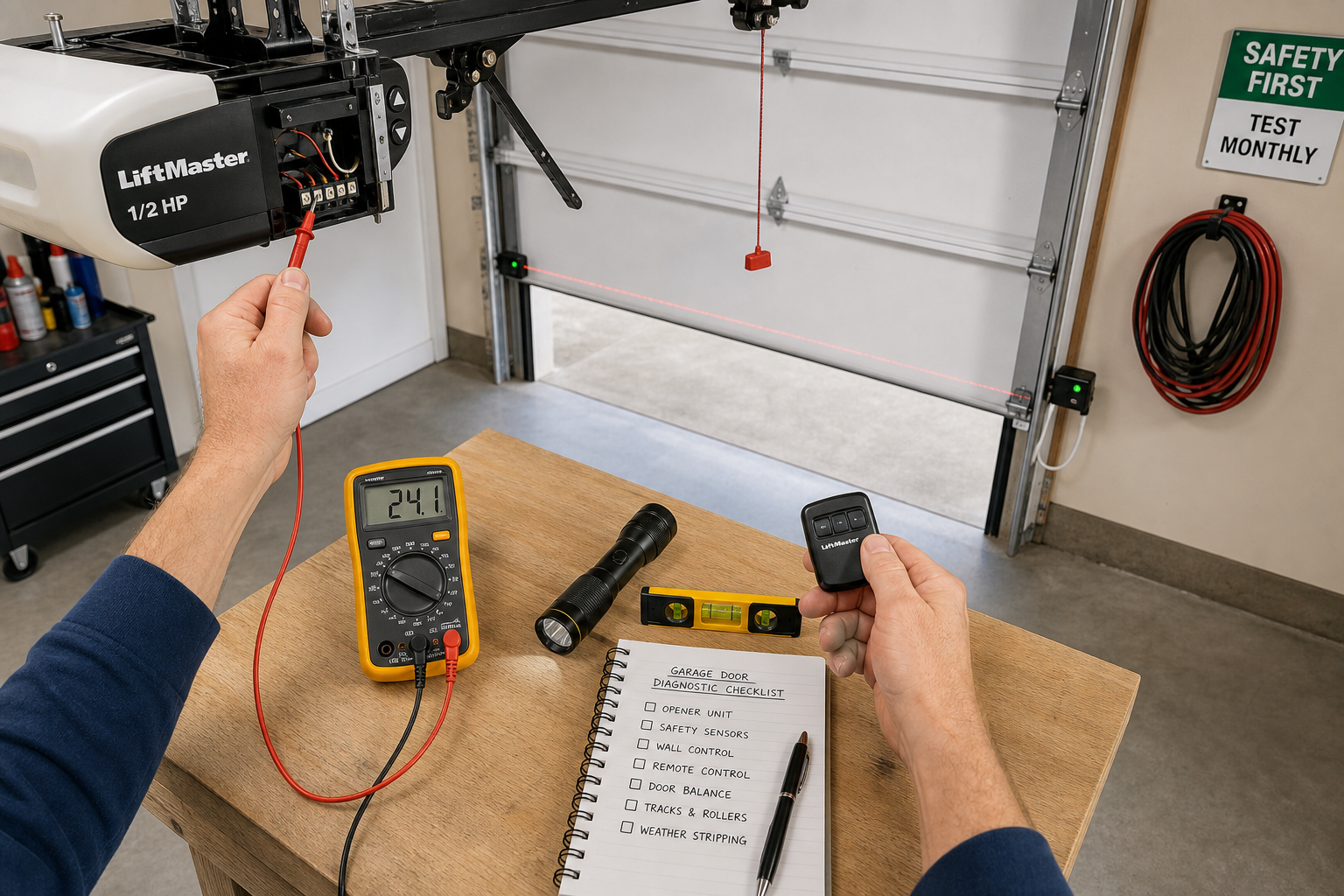
Use a diagnostic order so you can work from simplest fix to most complex. This approach saves significant time and money over the next several years of use.
Document every product you use: brand, color, batch number, application date. Future touch-ups need exact material matches. Tape the info inside a cabinet door or take a quick phone photo for your records.
If this is your first project of this type, budget 50% more time than guides suggest. The learning curve is real, and careful work produces better results than rushing to meet an estimated timeline.
Opener Force Settings
Your garage door opener has force settings that control how hard it tries to close the door. If these are set too low, the door might reverse before fully closing. Adjusting the opener force settings often resolves closing issues when sensors aren’t the problem.
Additional System Components
A garage door system includes panels, tracks, rollers, springs (torsion or extension), cables, hinges, weatherstripping, and the opener with its motor, drive mechanism, and safety sensors. When symptoms appear, the root cause isn’t always in the most obvious component.
Zone your garage before buying products. Common zones: tools/workbench, automotive, seasonal items, sports gear, lawn/garden, and household overflow. Each zone stays self-contained so everything for a given task lives in one spot.
Consider how this change fits the larger garage picture. Improvements in one area can shift dynamics elsewhere. Better insulation changes humidity patterns. Heavy storage affects the floor underneath. Think about interactions.
When to Call a Professional
DIY covers most of what’s listed above, but some situations need professional help. High-voltage electrical work, garage door spring replacement, structural modifications, and commercial-grade coatings requiring specialized equipment are all worth outsourcing. A botched repair often costs more to fix than hiring the right person from the start.
Get two to three quotes, verify licensing and insurance, and ask for recent references. A reputable contractor explains the process clearly, provides a written estimate, and backs the work with a written warranty.
If you’re considering an opener upgrade with battery backup, modern units often have better sensor integration and diagnostic features that prevent many common closing issues.

Spring Winding Bars
Essential for professional spring work, though best left to technicians
Frequently Asked Questions
How long do garage door openers last?
10 to 15 years with regular maintenance. Belt-drive units tend to outlast chain-drive models. Motors, boards, and gears wear first. Learn about choosing the right horsepower when it’s time to replace your opener.
How often should I service my garage door?
Every 6 months: lubricate moving parts, tighten hardware, test auto-reverse, and visually inspect springs and cables. Takes about 20 minutes. Don’t forget to check your weather stripping during these inspections.
What causes garage doors to suddenly stop closing?
Sensor misalignment is the most common sudden cause, often from being bumped or shifted. Other quick culprits include sunlight interference, objects in the door’s path, or travel limit settings that need adjustment.
Can I bypass safety sensors temporarily?
While technically possible on older systems, bypassing safety sensors creates serious injury risks. Instead, fix the alignment issue or call a technician. Modern openers won’t operate without functioning sensors, and this safety feature has prevented countless accidents.
This article contains affiliate links. We may earn a small commission at no extra cost to you.
